Content Menu
● Understanding Pharmaceutical Lab Equipment
● Analytical Pharmaceutical Equipment
● Basic Laboratory Support Equipment
● Pharmaceutical Water Systems: Purified Water and WFI
● Pure Steam Generators and Clean Steam Systems
● Multifunction Distillation Units and WFI Production
● Liquid Filling and Sealing Pharmaceutical Equipment
● Sterilization Systems and Autoclaves
● Microbiology and Cleanroom Monitoring Equipment
● Integrated Turnkey Lines and Factory Layout Planning
● How to Choose Pharmaceutical Equipment for Your Lab
● Conclusion
● FAQ
>> 1. What are the core pharmaceutical equipment items needed for a new lab?
>> 2. Why is purified water system design so critical?
>> 3. How do pure steam generators contribute to sterility assurance?
>> 4. What should be considered when choosing liquid filling and sealing machines?
>> 5. How can a turnkey provider like Everheal simplify a pharmaceutical project?
● Citations:
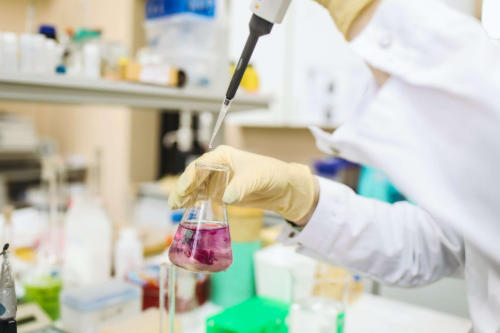
Pharmaceutical laboratories depend on a wide range of specialized pharmaceutical equipment to research, develop, test, and manufacture safe and effective medicines. This equipment covers everything from basic analytical tools and safety devices to complex purified water systems, pure steam generators, aseptic filling lines, and sterilization systems.
Understanding Pharmaceutical Lab Equipment
A pharmaceutical lab is usually divided into several functional zones such as research and development (R&D), quality control (QC), microbiology, pilot production, and full‑scale manufacturing. Each area uses different pharmaceutical equipment tailored to its role, but all must work together under strict Good Manufacturing Practice (GMP) and regulatory standards.
In practice, this means that instruments, utilities, and process systems must not only be accurate and reliable, but also traceable, cleanable, and easy to validate. Properly designed pharmaceutical equipment supports data integrity, minimizing human error and enabling consistent, high‑quality output across the entire lifecycle of a product.
Well‑designed pharmaceutical laboratories also integrate central utilities such as purified water systems, Water for Injection (WFI) distillation units, pure steam generators, clean compressed air, and HVAC systems. These utilities feed the frontline pharmaceutical equipment used for testing, formulation, filling, and sterilization, ensuring that every experiment and batch is performed under controlled, documented conditions.
Analytical Pharmaceutical Equipment
Analytical instruments form the “nervous system” of a pharmaceutical lab, because they provide quantitative and qualitative data on raw materials, intermediates, finished products, and stability samples. Without analytical pharmaceutical equipment, it would be impossible to prove that a medicine is pure, potent, and stable over its shelf life.
Key analytical instruments include:
- Spectrophotometers (UV‑Vis)
Used to determine concentration, assay, and impurity levels in active pharmaceutical ingredients (APIs) and finished products. By measuring light absorption, this pharmaceutical equipment provides fast, accurate results for routine quality control.
- Chromatography systems (HPLC and GC)
High‑performance liquid chromatography (HPLC) and gas chromatography (GC) separate complex mixtures into individual components. These pieces of pharmaceutical equipment are indispensable for impurity profiling, dissolution testing, stability studies, and validation of analytical methods.
- Mass spectrometers and detectors
Often coupled to HPLC or GC systems, mass spectrometers enable highly sensitive identification of trace impurities and degradation products. As pharmaceutical equipment, they support both R&D and advanced QC activities, such as metabolite analysis and structural elucidation.
- Dissolution testers
Used primarily for tablets and capsules, dissolution testers simulate how a product releases its active ingredient in the body. This pharmaceutical equipment plays a critical role in bioequivalence studies and formulation optimization.
- Basic analytical tools
Precision balances, pH meters, conductivity meters, osmometers, and refractometers provide essential measurements for almost every lab procedure. These seemingly simple pieces of pharmaceutical equipment form the foundation of weighing, dosing, and solution preparation.
Together, this analytical pharmaceutical equipment suite allows pharmaceutical companies to generate validated data that regulators and healthcare professionals can trust.
Basic Laboratory Support Equipment
Besides advanced analytical systems, every pharmaceutical lab relies on basic support pharmaceutical equipment to handle, heat, cool, and store materials safely and efficiently. These devices are often overlooked, but they directly influence the reliability and repeatability of experiments.
Typical support equipment includes:
- Fume hoods and safety cabinets
Chemical fume hoods protect personnel from inhaling harmful vapors and aerosols. Biological safety cabinets add protection for both operator and product, which is especially important when handling biological agents and sterile preparations. These safety‑critical pieces of pharmaceutical equipment are central to any compliant lab.
- Ovens, incubators, and muffle furnaces
Drying ovens remove moisture from glassware and samples; incubators provide controlled conditions for microbiological and cell culture work; muffle furnaces are used for ash content determination and high‑temperature processes. Each item of this pharmaceutical equipment is designed for stable, uniform temperature control.
- Refrigerators and freezers
Many reagents, reference standards, biological samples, and stability samples must be stored at defined temperatures. Pharmaceutical equipment such as lab fridges, −20 °C freezers, and ultra‑low temperature freezers ensures that temperature‑sensitive materials remain within specified ranges.
- Water baths and heating blocks
These devices provide gentle, uniform heating for samples, helping to avoid hot spots and degradation. As support pharmaceutical equipment, they are widely used for digestion, enzyme reactions, and dissolution of solid materials.
- Mixers, stirrers, and shakers
Magnetic stirrers, overhead stirrers, vortex mixers, and orbital shakers ensure thorough mixing and homogenization of solutions and suspensions. They are small but essential elements in the pharmaceutical equipment ecosystem.
Without this support pharmaceutical equipment, advanced instruments and production lines could not operate with the precision and stability required for pharmaceutical work.
Pharmaceutical Water Systems: Purified Water and WFI
High‑purity water is one of the most critical raw materials and utilities in any pharmaceutical environment. It is used in product formulations, cleaning and rinsing operations, analytical procedures, and as feed for WFI and pure steam generation. Dedicated pharmaceutical equipment is therefore installed to produce and distribute water that consistently meets or exceeds pharmacopoeial standards.
Core elements of pharmaceutical water systems include:
- Purified water generation units
Typically based on combinations of filtration, softening, reverse osmosis (RO), deionization, and sometimes electrodeionization (EDI). This pharmaceutical equipment is designed to meet defined conductivity, TOC (total organic carbon), and microbial limits. System design must also consider local feed water quality and energy efficiency.
- WFI (Water for Injection) production systems
WFI is usually produced by multi‑effect distillation or vapor compression distillation. These pieces of pharmaceutical equipment remove ions, organics, and pyrogens to meet the most stringent quality requirements, especially for parenteral and injectable products.
- Storage and distribution loops
After generation, purified water and WFI are stored in sanitary tanks and circulated in stainless steel loops to maintain quality. The associated pharmaceutical equipment includes sanitary pumps, heat exchangers, and distribution piping with carefully designed slopes, velocities, and minimal dead legs.
A company like Everheal focuses strongly on these utility‑level pharmaceutical equipment packages, offering purified water preparation systems and multi‑effect distillation units engineered for global GMP standards. Integrating these systems early in facility design ensures that downstream processes always have access to water of the right quality and quantity.

Pure Steam Generators and Clean Steam Systems
Pure steam is another essential utility in sterile pharmaceutical production. It is primarily used to sterilize process equipment, vessels, filters, and pipelines through sterilization‑in‑place (SIP) programs. For this purpose, factories install dedicated pure steam generators as high‑value pharmaceutical equipment.
Typical characteristics of pure steam generators include:
- Generation of dry, saturated pure steam from pre‑treated feed water, often using plant steam or superheated water as the heating medium.
- Internal separation devices such as baffles or centrifugal separators to remove entrained water droplets and impurities.
- Sanitary design with high‑grade stainless steel, orbital welding, and double‑tube‑sheet heat exchangers to prevent cross‑contamination between utilities.
Because condensed pure steam is usually comparable in quality to WFI, this pharmaceutical equipment can be used to sterilize components that come into contact with sterile products. Pure steam generators must be carefully sized to meet simultaneous SIP and autoclave demands without causing production delays.
Everheal's pure steam generators are an example of advanced pharmaceutical equipment that can be integrated with WFI production, CIP/SIP systems, and autoclaves, forming a robust sterilization backbone for the entire plant.
Multifunction Distillation Units and WFI Production
In many projects, a multifunction distillation unit is installed to produce both WFI and, in some configurations, pure steam. These distillation‑based pharmaceutical equipment solutions are especially useful in facilities that handle large volumes of injections, infusions, or biotech products.
Key benefits of multifunction distillation systems include:
- Energy efficiency
Multi‑effect designs reuse heat from one stage to the next, reducing steam and cooling water consumption. This makes the pharmaceutical equipment more economical while still delivering high‑purity WFI.
- High reliability
With robust mechanical design, automatic blow‑down, and integrated monitoring of critical parameters (conductivity, temperature, pressure), these units provide dependable, continuous operation.
- Seamless integration
Multifunction stills can be integrated with upstream purified water pretreatment and downstream storage and distribution loops, serving as the central WFI and pure steam utility in the plant.
Everheal's multifunction distillation units demonstrate how utility‑level pharmaceutical equipment can be tailored to match batch sizes, product mix, and planned capacity expansions over the life of a facility.
Liquid Filling and Sealing Pharmaceutical Equipment
Once pharmaceutical formulations are prepared and filtered, they must be accurately filled into suitable containers and sealed to maintain integrity and sterility. Aseptic filling and sealing lines are therefore among the most critical pieces of production pharmaceutical equipment.
Common configurations include:
- Vial washing, sterilizing, and filling lines
Containers are first washed to remove particles, then passed through a depyrogenation tunnel or sterilization process, followed by precise filling, stoppering, and capping. This integrated pharmaceutical equipment chain is designed to minimize human intervention and contamination risk.
- Ampoule filling and sealing machines
Used for small‑volume parenterals, these machines accurately dose solutions into glass ampoules and flame‑seal the necks. As core pharmaceutical equipment, they must synchronize dosing, flame sealing, and in‑line visual inspection.
- Bottle and oral liquid filling systems
For syrups, suspensions, and non‑sterile liquids, filling lines handle rinsing, filling, capping, and labeling. Although aseptic barriers may not always be required, this pharmaceutical equipment must still meet hygienic design and accuracy standards.
Everheal supplies liquid filling and sealing pharmaceutical equipment that can be integrated into complete production lines. By combining filling, capping, and inspection with appropriate HVAC and cleanroom design, customers can build flexible, high‑throughput facilities that comply with global regulations.
Sterilization Systems and Autoclaves
Sterilization is fundamental to the manufacture of sterile pharmaceutical products and to the maintenance of clean, contamination‑free lab materials. Sterilization pharmaceutical equipment must be validated and documented to demonstrate that microbial life is consistently destroyed under defined conditions.
Major types of sterilization equipment include:
- Steam sterilizers (autoclaves)
Autoclaves use saturated steam at elevated temperatures and pressures to sterilize glassware, instruments, stoppers, filters, and certain product loads. As pharmaceutical equipment, autoclaves can be configured for gravity displacement or pre‑vacuum cycles, and often feature advanced control and data recording systems.
- Dry‑heat sterilizers and depyrogenation tunnels
These units are used where moisture must be avoided or where pyrogen reduction is required, such as for glass vials prior to aseptic filling. The pharmaceutical equipment must maintain uniform high temperatures with accurate, validated control.
- Sterilization‑in‑place (SIP) systems
SIP uses pure steam introduced directly into tanks, reactors, transfer lines, and filters. Automated SIP cycles are programmed into control systems and executed by a combination of valves, sensors, and pure steam generators, forming an integrated pharmaceutical equipment network.
Everheal's sterilization systems are designed to interface smoothly with pure steam and WFI utilities, ensuring that both lab‑scale and production‑scale equipment can be sterilized efficiently and reproducibly.
Microbiology and Cleanroom Monitoring Equipment
Microbiology labs and cleanroom areas provide assurance that both the environment and products meet microbiological specifications. Specialized pharmaceutical equipment is required to test, cultivate, and monitor microorganisms and particles.
Key microbiology and monitoring tools include:
- Biological safety cabinets and incubators
Biosafety cabinets protect operators and samples while providing controlled airflow patterns. Incubators maintain precise temperatures and sometimes humidity or CO₂ levels for microbial and cell growth. Both are central microbiology pharmaceutical equipment.
- Air and surface monitoring devices
Active air samplers, passive settle plates, and airborne particle counters measure contamination levels in cleanrooms and critical zones. These pharmaceutical equipment pieces help confirm that HVAC and HEPA filtration systems are functioning correctly.
- Colony counters and microscopes
After incubation, colonies are counted, and microorganisms may be examined under a microscope for identification. This pharmaceutical equipment supports routine environmental monitoring, sterility testing, and investigation of deviations.
Continuous environmental monitoring using this type of pharmaceutical equipment strengthens the sterility assurance of the entire plant.
Integrated Turnkey Lines and Factory Layout Planning
Buying individual pieces of pharmaceutical equipment does not automatically result in an efficient, compliant facility. The real challenge lies in integrating all these systems into a coherent factory layout that respects regulatory expectations, production flows, and future expansion plans.
Turnkey providers like Everheal offer:
- Conceptual and detailed plant design
Defining material, personnel, and waste flows, and placing pharmaceutical equipment in logical sequences to avoid cross‑contamination and bottlenecks.
- Utility and process integration
Designing purified water loops, WFI and pure steam networks, CIP/SIP systems, and HVAC in harmony with filling, sterilization, and packaging equipment.
- Installation, commissioning, and validation
Coordinating installation and qualification (IQ/OQ/PQ) of all pharmaceutical equipment so that the facility can smoothly progress from construction to trial batches and commercial production.
With a turnkey approach, clients benefit from a single engineering vision that aligns pharmaceutical equipment selection with regulatory compliance and long‑term business strategy.
How to Choose Pharmaceutical Equipment for Your Lab
Selecting suitable pharmaceutical equipment requires a balance of technical, regulatory, and financial considerations. A structured decision process helps ensure that every investment supports both current and future needs.
Important points to consider:
1. Regulatory and quality requirements
Define target markets and regulatory frameworks (such as EU GMP, US FDA, WHO). Then verify that each piece of pharmaceutical equipment supports 21 CFR Part 11 where needed, offers calibration and validation documentation, and can generate compliant electronic records.
2. Process and product needs
Map current and anticipated product types—solid, liquid, sterile, oral, injectable—and identify which purified water systems, pure steam generators, filling machines, sterilizers, and analytical instruments are truly required. This avoids both under‑ and over‑specification of equipment.
3. Scalability and flexibility
Choose modular and scalable pharmaceutical equipment (for example, pilot‑scale filling lines that can be expanded, or water systems designed with reserve capacity) to handle increases in volume or new dosage forms without complete redesign.
4. Total cost of ownership
Look beyond purchase price to include installation, validation, maintenance, spare parts, downtime risk, energy consumption, and operator training. High‑quality pharmaceutical equipment often delivers a lower total cost over its lifecycle.
5. Supplier capability and support
Work with suppliers like Everheal that combine equipment manufacturing with process engineering, layout design, and long‑term service. This reduces the risk of interface problems between different pieces of pharmaceutical equipment and simplifies troubleshooting.
By following these principles, laboratories and factories can build an infrastructure that is robust, compliant, and ready for growth.
Conclusion
Modern pharmaceutical laboratories and manufacturing plants rely on an integrated network of pharmaceutical equipment to deliver safe, effective medicines. From analytical instruments and basic support devices to purified water systems, pure steam generators, multifunction distillation units, aseptic filling lines, and advanced sterilization systems, each component plays a specific role in maintaining quality and compliance.
A partner such as Everheal, specializing in purified water preparation systems, pure steam generators, multifunction distillation stills, liquid filling and sealing machines, and sterilization solutions, can help clients transform an empty building into a fully validated facility. By combining well‑selected pharmaceutical equipment with professional factory layout planning, companies build efficient, scalable plants that meet global regulatory requirements and support long‑term business success.
FAQ
1. What are the core pharmaceutical equipment items needed for a new lab?
A typical new lab needs analytical pharmaceutical equipment such as balances, pH meters, spectrophotometers, and chromatography systems, as well as support devices like fume hoods, ovens, incubators, and refrigerators. Together, these tools provide the measurement, safety, and environmental control required for basic research and quality testing.
2. Why is purified water system design so critical?
Purified water is used in almost every process step, from raw material dissolution to final equipment rinsing and analytical testing. A well‑designed purified water system, supported by robust pharmaceutical equipment for generation and distribution, ensures that water consistently meets pharmacopeial limits for conductivity, TOC, and microbial counts, protecting both product quality and patient safety.
3. How do pure steam generators contribute to sterility assurance?
Pure steam generators produce steam that is virtually free from solids, organics, and pyrogens, allowing it to be used directly on product‑contact surfaces, filters, and process lines. This pharmaceutical equipment is essential for sterilization‑in‑place programs and for feeding autoclaves and sterilizers, forming a key element of a plant's sterility assurance system.
4. What should be considered when choosing liquid filling and sealing machines?
Important factors include container types (vials, ampoules, bottles, bags), required fill accuracy, throughput targets, and regulatory expectations for aseptic processing. Buyers should look for pharmaceutical equipment that offers reliable dosing, flexible format changeovers, integrated in‑process control, and compatibility with isolators or RABS where needed.
5. How can a turnkey provider like Everheal simplify a pharmaceutical project?
A turnkey provider can supply not only individual pharmaceutical equipment items such as purified water systems, pure steam generators, distillation units, filling lines, and sterilizers, but also engineering services for layout, utilities, automation, and validation. This integrated approach reduces interface risks, shortens project timelines, and gives the client a single point of responsibility from design through to commercial operation.
Citations:
[1](https://mfimedical.com/blogs/news/essential-laboratory-equipment-a-comprehensive-guide-from-mfi-medical)
[2](https://genoma-lab.ae/a-comprehensive-guide-to-laboratory-equipment/)
[3](https://connect.ssllc.com/learning-center/essential-lab-equipment/)
[4](https://www.gdwaldner.com/magazine/what-are-the-instruments-used-in-pharmaceutical-laboratory/)
[5](https://blog.cmecorp.com/equipment-buying-guide-for-compounding-pharmacy-laboratories)
[6](https://pharmuni.com/2025/07/04/how-to-choose-the-best-laboratory-equipment/)
[7](https://www.essentracomponents.com/en-us/news/industries/medical-equipment/quick-guide-components-for-laboratory-equipment)
[8](https://www.airscience.com/picking-essential-equipment-for-pharmaceutical-applications)
[9](https://www.ncbi.nlm.nih.gov/books/NBK92014/)


