Content Menu
● 1. Ningbo Everheal Medical Equipment Co., LTD.
● 2. Tofflon Science and Technology Group Co., Ltd.
● 3. Fedegari Group (China Operations)
● 4. Suzhou Antai Airtech Co., Ltd.
● 5. Beijing BBCA Biotech Co., Ltd.
● 6. Shanghai Esco Micro Pte. Ltd.
● 7. Guangzhou Jet Bio-Filtration Co., Ltd.
● 8. Shenzhen Consung Intelligent Technology Co., Ltd.
● 9. Wuxi Guanya Refrigeration Technology Co., Ltd.
● 10. Nanjing TICA Climate Solutions Co., Ltd.
● Key Advantages of Chinese Pharmaceutical Cleanroom Manufacturers
● Trends in Pharmaceutical Cleanroom Development
● Conclusion
● FAQ
>> 1. What is a pharmaceutical cleanroom?
>> 2. Why choose Chinese pharmaceutical cleanroom manufacturers?
>> 3. What standards do pharmaceutical cleanrooms follow?
>> 4. What equipment is typically found in pharmaceutical cleanrooms?
>> 5. How does Ningbo Everheal differ from other manufacturers?
China has rapidly become one of the world's most influential hubs for pharmaceutical cleanroom manufacturers, thanks to advanced engineering, competitive pricing, and adherence to global GMP standards. Pharmaceutical companies around the world depend on Chinese suppliers for cleanroom solutions, purified water systems, sterilization equipment, and integrated plant engineering.
In this article, we highlight the top ten pharmaceutical cleanroom manufacturers in China, showcasing their expertise, product portfolios, and global presence.
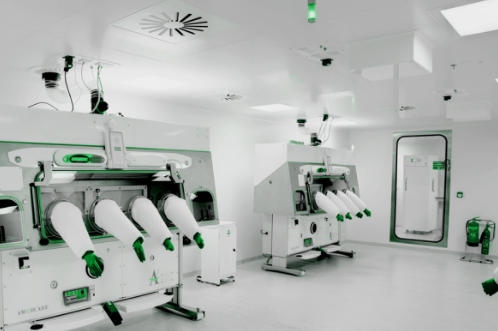
1. Ningbo Everheal Medical Equipment Co., LTD.
As a pioneer in the field of pharmaceutical cleanroom manufacturing, Ningbo Everheal Medical Equipment Co., LTD. stands out as China's leading integrated provider of water systems and sterile production solutions. The company specializes in designing and producing:
- Purified Water Preparation Systems
- Pure Steam Generators
- Multi-Effect Distilled Water Machines
- Liquid Filling and Sealing Machines
- Sterilization Systems
With years of technical innovation and validation experience, Everheal provides customized factory layout design and turnkey production line construction services to pharmaceutical companies worldwide.
Everheal's focus on GMP-compliant design, documentation validation, and complete cleanroom integration makes it a trusted name among international pharmaceutical plants. Their systems are exported to Europe, Southeast Asia, the Middle East, and South America, offering stable performance, lower operating costs, and exceptional after-sales support.
In addition, Everheal's engineering team provides on-site technical consultation, which makes it one of the few pharmaceutical cleanroom manufacturers in China capable of delivering both equipment manufacturing and process engineering design under one roof.
2. Tofflon Science and Technology Group Co., Ltd.
Tofflon is one of China's most globally recognized pharmaceutical cleanroom manufacturers, offering integrated solutions for freeze-drying, sterilization, and aseptic filling. It provides customized cleanroom systems for pharmaceutical and biotech production.
Tofflon focuses on compliance with EU GMP, FDA, and WHO standards. Their technology ensures optimal contamination control, energy efficiency, and long-term reliability—making them a preferred partner for multinational pharmaceutical companies.
3. Fedegari Group (China Operations)
Though originally from Italy, Fedegari operates extensive facilities in China to serve the regional market. The company's cleanroom equipment includes autoclaves, sterilizers, and decontamination systems.
Fedegari combines Italian design with localized manufacturing capabilities, offering a perfect balance between precision and affordability. Many pharmaceutical companies in China use Fedegari systems to maintain high sterility standards in cleanrooms and laboratories.
4. Suzhou Antai Airtech Co., Ltd.
Suzhou Antai Airtech specializes in cleanroom design, air filtration, and HVAC systems for the pharmaceutical, biotechnology, and microelectronics sectors. Its portfolio includes modular cleanroom panels, HEPA filters, air showers, and laminar flow hoods.
The company is ISO and CE certified and provides fully customized cleanroom solutions that integrate with process equipment. Antai's competitive advantage is its precision air control and modular installation techniques, widely adopted in biopharmaceutical manufacturing plants.
5. Beijing BBCA Biotech Co., Ltd.
BBCA Biotech, part of the larger BBCA Group, is an expert in biopharmaceutical plant design and cleanroom technology engineering. It is renowned for implementing turnkey cleanroom projects that meet international pharmaceutical and vaccine production standards.
The company manages projects that integrate utilities such as purified water, clean compressed air, and WFI (Water for Injection) systems. BBCA has supplied solutions for vaccine, API, and sterile formulation plants across Asia and Africa.
6. Shanghai Esco Micro Pte. Ltd.
Shanghai Esco Micro is the Chinese subsidiary of Esco Lifesciences Group, a global leader in cleanroom and biosafety technologies. It manufactures biosafety cabinets, clean benches, and isolation chambers perfectly suited for the pharmaceutical sector.
Esco's facilities in Shanghai supply to clients worldwide, ensuring consistent quality through ISO-certified production. Their cleanroom systems integrate advanced airflow management and environmental monitoring solutions, compliant with ISO 14644 standards.
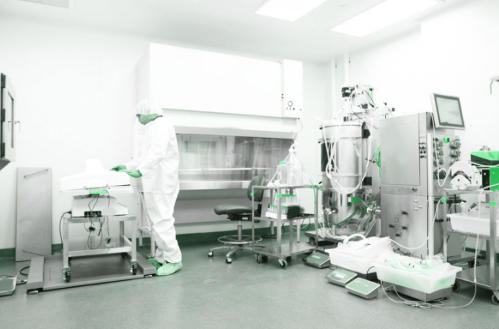
7. Guangzhou Jet Bio-Filtration Co., Ltd.
Jet Bio-Filtration focuses on cleanroom consumables and filtration systems for pharmaceutical and diagnostic labs. The company produces high-quality disposable items such as filters, pipette tips, and culture plates, all manufactured in ISO 13485-certified cleanrooms.
While primarily a materials manufacturer, Jet Bio-Filtration also provides consultation services for setting up clean manufacturing environments, making it a supporting player among pharmaceutical cleanroom manufacturers in China.
8. Shenzhen Consung Intelligent Technology Co., Ltd.
Consung Intelligent Technology combines automation and cleanroom manufacturing expertise to produce filling, capping, and sealing systems for sterile environments. Their equipment is widely used in the production of infusion bottles, ampoules, and aseptic packaging.
By integrating AI-based control systems and real-time monitoring, Consung enhances process accuracy within pharmaceutical cleanrooms. Its fast-response customer service and adaptable designs make it a competitive choice for medium-sized pharmaceutical producers.
9. Wuxi Guanya Refrigeration Technology Co., Ltd.
Cleanroom environments require precise temperature and humidity control. Guanya Refrigeration excels in supplying chillers, HVAC systems, and environmental control solutions for pharmaceutical and chemical industries.
Their systems are particularly valued for supporting water-for-injection and pure steam generation systems used in sterile environments. As a cleanroom infrastructure supplier, Guanya aligns its technology with the needs of pharmaceutical cleanroom manufacturers and EPC project integrators.
10. Nanjing TICA Climate Solutions Co., Ltd.
TICA is a well-known provider of HVAC and air purification systems used in pharmaceutical cleanrooms and hospitals. The company's cleanroom modules control temperature, humidity, and particulate levels according to ISO Class 5–9 standards.
TICA's engineering division also collaborates with pharmaceutical facility designers to build efficient ventilation and filtration systems, enhancing the stability and energy performance of production sites.
Key Advantages of Chinese Pharmaceutical Cleanroom Manufacturers
China's pharmaceutical cleanroom manufacturers have significantly advanced in recent years due to several key strengths:
1. GMP and FDA Compliance: Many Chinese manufacturers design systems that fully comply with global pharmaceutical quality standards.
2. Competitive Pricing: Local raw materials, automation, and large-scale production make Chinese cleanroom systems highly cost-effective.
3. Technical Customization: Customized HVAC, air filtration, water purification, and sterilization systems can be easily adapted to specific production needs.
4. After-Sales Service: Companies like Everheal and Tofflon provide global after-sales assistance and remote maintenance services.
5. Project Integration: Leading manufacturers offer EPC (Engineering, Procurement, and Construction) solutions, ensuring seamless coordination across different parts of pharmaceutical production infrastructure.
Trends in Pharmaceutical Cleanroom Development
The modern pharmaceutical cleanroom industry in China continues to evolve around innovation and sustainability. Energy-efficient designs, digital monitoring, and AI-driven contamination control are among the latest trends.
Many top pharmaceutical cleanroom manufacturers are also adopting Industry 4.0 technologies, allowing system-level data integration between cleanrooms, water systems, and production machinery. This shift increases transparency, improves maintenance scheduling, and ensures compliance with increasingly strict global regulations.
Conclusion
China's pharmaceutical cleanroom manufacturers play an essential role in the global pharmaceutical value chain. From engineering precision to rapid delivery and international validation, Chinese companies continue to redefine efficiency and quality.
Among all these players, Ningbo Everheal Medical Equipment Co., LTD. emerges as a leading force, combining advanced water system technology and sterilization equipment within GMP-compliant cleanroom frameworks.
As the pharmaceutical industry grows in complexity, working with reliable and innovative manufacturers like Everheal ensures global customers receive safe, efficient, and fully compliant production environments.

FAQ
1. What is a pharmaceutical cleanroom?
A pharmaceutical cleanroom is a controlled environment designed to minimize contamination during drug manufacturing. It regulates air particles, temperature, humidity, and pressure to meet strict GMP and ISO standards.
2. Why choose Chinese pharmaceutical cleanroom manufacturers?
Chinese manufacturers offer advanced technologies, cost-effective solutions, and global regulatory compliance. Companies like Everheal provide turnkey design and construction services trusted worldwide.
3. What standards do pharmaceutical cleanrooms follow?
Most cleanrooms adhere to ISO 14644, EU GMP, and US FDA regulations. These standards define classifications for particulate cleanliness, airflow patterns, and environmental controls.
4. What equipment is typically found in pharmaceutical cleanrooms?
Cleanrooms often contain pure steam generators, purified water systems, sterilizers, filling machines, and HVAC systems that maintain aseptic conditions.
5. How does Ningbo Everheal differ from other manufacturers?
Ningbo Everheal stands out with its ability to design complete sterile production systems—from purified water generation to sterilization and filling—supported by expert validation, documentation, and global service.


