Content Menu
● Understanding Infusion Bag Manufacturing
● Why China Dominates Infusion Bag Manufacturing
● Top 10 Infusion Bag Manufacturers in China
>> 1. Everheal Pharmaceutical Equipment Co., Ltd.
>> 2. Shandong Weigao Group Medical Polymer Co., Ltd.
>> 3. Jiangsu Eyoung Medical Equipment Co., Ltd.
>> 4. Hunan Beyond Medical Technology Co., Ltd.
>> 5. Zhejiang Runqiang Medical Instruments Co., Ltd.
>> 6. Hebei Tianchi Pharmaceutical Equipment Co., Ltd.
>> 7. Anhui Tianda Pharmaceutical Co., Ltd.
>> 8. Jinxing Pharmaceutical Equipment Co., Ltd.
>> 9. Ningbo Tech-Bio Medical Technology Co., Ltd.
>> 10. Qingdao Aozheng Medical Technology Co., Ltd.
● Choosing the Right Infusion Bag Manufacturer
● Global Market Outlook
● Conclusion
● FAQ
>> 1. What materials are used to produce infusion bags?
>> 2. How do Chinese manufacturers ensure product sterility?
>> 3. Are Chinese infusion bags compliant with international standards?
>> 4. Can manufacturers customize infusion bags for specific applications?
>> 5. What support do manufacturers offer for new infusion bag factories?
China has become a global hub for infusion bag manufacturing, with companies offering advanced, high-quality products that meet international pharmaceutical standards. Infusion bags are critical components in intravenous therapy, serving as sterile containers for the administration of fluids, electrolytes, and medications. As the global demand for pharmaceutical packaging continues to grow, Chinese manufacturers are at the forefront of innovation, efficiency, and competitiveness.
In this article, we'll explore the Top 10 Infusion Bag Manufacturers in China, highlighting their capabilities, specialties, certifications, and contributions to the medical packaging industry.
Understanding Infusion Bag Manufacturing
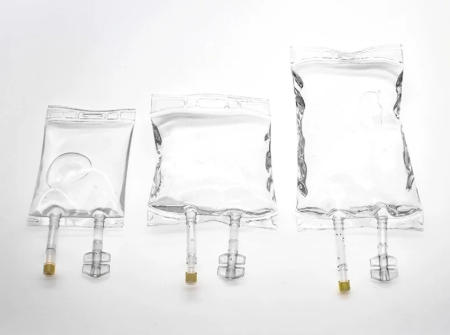
Infusion bag manufacturing involves complex engineering and strict quality control to ensure sterility, durability, and compatibility with various pharmaceutical solutions. These bags are often made from polyolefin or non-PVC materials to minimize contamination risks and meet environmental standards.
The production process includes:
- Material selection (safe polymers with high chemical stability)
- Bag forming (through extrusion or blow molding)
- Sealing and molding (for ports and connections)
- Sterilization (using steam, ethylene oxide, or gamma radiation)
- Quality assurance testing
Modern infusion bag manufacturers in China often integrate automated production lines, cleanroom facilities, and fully compliant validation systems to meet GMP, CE, ISO 13485, and FDA standards.
Why China Dominates Infusion Bag Manufacturing
China's advantage lies in:
1. Advanced Equipment and Technology – State-of-the-art filling, sealing, and sterilization systems.
2. Comprehensive Supply Chains – From polymer production to automated sealing machinery, everything is domestically available.
3. Global Certifications – Many companies maintain international accreditations to serve regulated markets.
4. Competitive Pricing – High-quality products at cost-effective rates, thanks to large-scale production efficiency.
5. Customization – Many Chinese infusion bag manufacturers offer OEM/ODM solutions tailored to hospitals, pharmaceutical plants, and distributors.
Top 10 Infusion Bag Manufacturers in China
1. Everheal Pharmaceutical Equipment Co., Ltd.
Everheal is a leading Chinese manufacturer specializing in pharmaceutical water systems, pure steam generators, multi-effect distillation units, and sterile filling systems. Their comprehensive expertise allows them to deliver turnkey solutions for infusion bag production lines, including factory layout design and validation support.
Key Products:
- Pure water preparation systems
- Pure steam generators
- Multi-function distillation equipment
- Liquid filling and sealing machines
- Sterilization systems
Highlights:
Everheal provides integrated solutions that combine infusion bag manufacturing equipment with GMP-compliant automation and high-purity utility systems, making them a trusted partner for global pharmaceutical companies.
2. Shandong Weigao Group Medical Polymer Co., Ltd.
Weigao is one of China's most prominent suppliers of disposable medical devices, including infusion bags, IV sets, and syringes. They operate multiple GMP-certified plants and export to over 100 countries.
Features:
- Full range of medical polymer products
- Non-PVC infusion bag production lines
- CE and ISO 13485 certifications
- Global distribution capabilities
Weigao's focus on non-toxic, eco-friendly polymer materials positions them as a top-tier infusion bag manufacturer worldwide.
3. Jiangsu Eyoung Medical Equipment Co., Ltd.
Eyoung Medical is widely recognized for providing customized infusion bag and IV solution production systems. They specialize in both rigid (glass and PP bottle) and flexible (non-PVC) packaging solutions for intravenous fluids.
Key Strengths:
- Non-PVC multilayer co-extrusion lines
- Liquid filling and sealing systems
- CIP/SIP validation
- Technical transfer support for new production facilities
Their commitment to innovation has earned them long-standing partnerships across Asia and Europe.
4. Hunan Beyond Medical Technology Co., Ltd.
Beyond Medical focuses on biocompatible infusion bags and parenteral packaging. Their products serve both hospital and pharmaceutical markets, emphasizing quality and safety.
Highlights:
- PP and non-PVC infusion bags
- Aseptic filling and sealing equipment
- High-speed production capacity
- FDA & ISO certifications
Beyond Medical's integrated solutions make them a preferred infusion bag manufacturer in China for global clients seeking turnkey engineering services.

5. Zhejiang Runqiang Medical Instruments Co., Ltd.
Runqiang Medical produces a broad range of disposable infusion devices, including IV sets, non-PVC bags, and fluid-transfer connectors. Their emphasis on innovation and cost-effectiveness has earned them a strong reputation in the export market.
Specialties:
- Soft-bag IV systems
- Safety infusion solutions
- GMP-compliant cleanroom manufacturing
- OEM production
Runqiang's infusion bag manufacturing capabilities ensure steady supply and reliable performance across diverse healthcare environments.
6. Hebei Tianchi Pharmaceutical Equipment Co., Ltd.
As a dedicated equipment manufacturer for infusion production lines, Hebei Tianchi provides advanced filling, sealing, and sterilization solutions used by leading bag manufacturers across China.
Core Offerings:
- Infusion bag forming and sealing machines
- Pure steam generation systems
- Autoclave sterilization units
- Factory validation and training
Many infusion bag manufacturers rely on Hebei Tianchi's automation systems to maintain high precision and consistent output.
7. Anhui Tianda Pharmaceutical Co., Ltd.
Known for its R&D-driven approach, Tianda produces infusion and parenteral nutrition packaging using medical-grade polymer materials. They export high-volume non-PVC infusion bags globally.
Product Range:
- Amino acid and glucose infusion bags
- Multi-chamber mixing systems
- Injection-grade polymer components
- Sustainable and recyclable packaging materials
Tianda's advanced QC systems ensure their products meet strict pharmacopoeial requirements.
8. Jinxing Pharmaceutical Equipment Co., Ltd.
Jinxing manufactures a wide range of liquid filling, sealing, and sterilization systems, catering to both large and small-scale infusion bag production needs.
Technological Strengths:
- CIP/SIP sterilization
- Servo-driven filling precision
- PLC-integrated control panels
- Complete infusion bag assembly solutions
Their flexible automation lines make them a go-to supplier for pharmaceutical startups upgrading their production capacity.
9. Ningbo Tech-Bio Medical Technology Co., Ltd.
Tech-Bio specializes in high-performance medical fluid packaging systems, including soft infusion bags, blood transfusion bags, and dialysis solutions.
Main Advantages:
- Advanced multi-layer extrusion
- Lightweight, leak-proof design
- Global quality certification compliance
- Focus on biocompatibility and cleanliness
This company's rapid scaling in R&D has boosted its rank among China's top infusion bag manufacturers.
10. Qingdao Aozheng Medical Technology Co., Ltd.
Aozheng Medical integrates both medical packaging and pharmaceutical machinery production. They supply complete infusion bag production lines customized for hospital and plant settings.
Key Services:
- Turnkey infusion bag plant setup
- Technical engineering support
- Non-PVC multilayer co-extrusion film bag production
- GMP validation consulting
Their full-service approach ensures smooth project implementation from design to delivery.
Choosing the Right Infusion Bag Manufacturer
When selecting a reliable partner among infusion bag manufacturers in China, consider the following factors:
- Quality Certifications: Verify ISO 13485, GMP, CE, or FDA approvals.
- Material Compliance: Ensure safe, non-toxic polymers are used.
- Production Capacity: Check annual output and scalability.
- R&D and Customization: Evaluate flexibility in design and technical solutions.
- After-Sales Support: Long-term maintenance and operation training.
Selecting a manufacturer that offers both product and process expertise (like Everheal) can significantly reduce production costs and validation time.
Global Market Outlook
The global infusion bag market is projected to exceed USD 4 billion by 2030, driven by the growing prevalence of chronic diseases, aging populations, and demand for parenteral nutrition.
With China's strategic investment in automation and cleanroom technology, Chinese infusion bag manufacturers are rapidly capturing more international market share. Companies like Everheal continue to set benchmarks in integrated plant engineering and sterile manufacturing systems — bridging the gap between equipment production and complete pharmaceutical solutions.
Conclusion
China's position as a global center for infusion bag manufacturing is well earned, supported by a combination of advanced engineering, regulatory compliance, and cost efficiency. The top manufacturers listed above — including Everheal, Weigao, and Eyoung — reflect the diversity and strength of China's pharmaceutical equipment sector.
As global healthcare systems demand higher standards for sterile packaging, partnering with these reliable infusion bag manufacturers can provide both technical excellence and commercial advantage. Everheal, with its integrated approach to equipment and plant solutions, stands out as a forward-thinking partner for the future of pharmaceutical production.
FAQ
1. What materials are used to produce infusion bags?
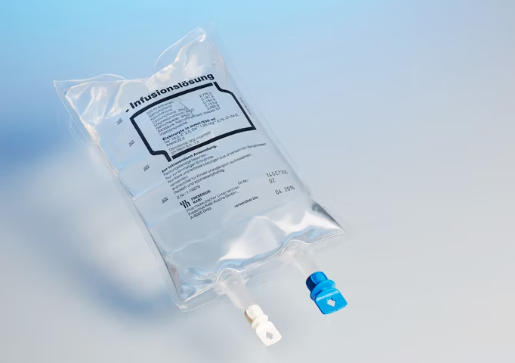
Most modern infusion bags are made from non-PVC polyolefin multilayer films, which are biocompatible, lightweight, and environmentally friendly.
2. How do Chinese manufacturers ensure product sterility?
Infusion bag manufacturers in China use validated sterilization methods like steam autoclaving, ethylene oxide gas, or gamma irradiation under GMP conditions.
3. Are Chinese infusion bags compliant with international standards?
Yes. Leading companies hold CE, ISO 13485, and FDA certifications, ensuring global compliance for export markets.
4. Can manufacturers customize infusion bags for specific applications?
Many Chinese infusion bag manufacturers provide OEM/ODM customization, including branding, bag volume, material layer design, and special fittings.
5. What support do manufacturers offer for new infusion bag factories?
Some leading companies, like Everheal, provide turnkey project solutions, including equipment installation, cleanroom design, training, and qualification documentation.


