Content Menu
● Understanding Lyophilization and Lyophilizers
● Why Lyophilizers Are Core Pharmaceutical Equipment
● Key Pharmaceutical Applications of Lyophilizers
● How the Lyophilization Process Works in Practice
>> Freezing Phase
>> Primary Drying (Sublimation Phase)
>> Secondary Drying (Desorption Phase)
● Types and Scales of Lyophilizers in the Pharmaceutical Industry
● Integration of Lyophilizers in Aseptic Fill‑Finish Lines
● Supporting Water and Steam Systems Around Lyophilizers
● Regulatory and cGMP Requirements for Lyophilization
● Advanced Features of Modern Lyophilizers and Control Systems
● Everheal's Role as a Pharmaceutical Equipment Partner
● Example: Lyophilizer‑Centered Aseptic Line with Everheal Systems
● Business and Technical Benefits of Integrated Pharmaceutical Equipment
● Conclusion
● FAQ
>> 1) What is lyophilization in the pharmaceutical industry?
>> 2) Why is a lyophilizer considered essential pharmaceutical equipment?
>> 3) Which pharmaceutical products typically require lyophilization?
>> 4) How do lyophilizers integrate with other pharmaceutical equipment in a plant?
>> 5) How can Everheal support global lyophilization projects?
● Citations:
Lyophilization, also called freeze drying, has become one of the most important technologies in modern pharmaceutical manufacturing because it protects sensitive active ingredients and helps pharmaceutical companies deliver stable products worldwide. As a result, lyophilizers are now regarded as core pharmaceutical equipment in many sterile fill‑finish facilities, biotechnology plants, and contract development and manufacturing organizations (CDMOs) that handle high‑value injectables and biologics.[12][13][14][11]
Understanding Lyophilization and Lyophilizers
Lyophilization is a process in which water or another solvent is removed from a frozen product by sublimation under reduced pressure, meaning the ice changes directly from solid to vapor without passing through the liquid phase. This results in a dry, porous “cake” that can be quickly reconstituted with sterile diluent, making the process ideal for sterile injectable pharmaceuticals and other sensitive formulations.[15][16][17]
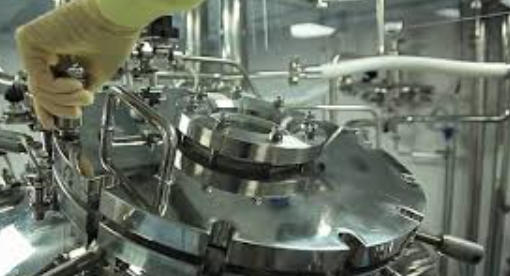
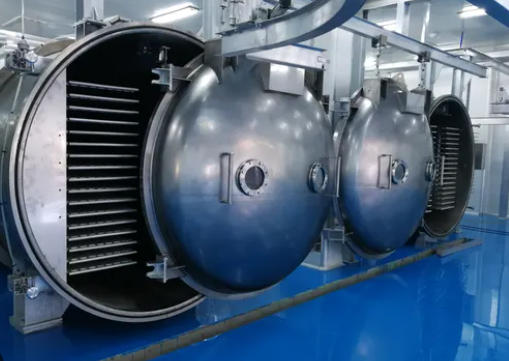
A lyophilizer, or pharmaceutical freeze dryer, is specialized pharmaceutical equipment designed to perform this process in a controlled, repeatable, and validated way. Typical systems consist of:[13][15]
- A vacuum chamber with temperature‑controlled shelves.
- An ice condenser to collect sublimated vapor.
- Refrigeration systems to maintain low temperatures.
- Vacuum pumps and piping.
- An automated control system with recipes and data recording.[6][13]
Industrial pharmaceutical equipment in this category can be designed for different scales, from small R&D units to large production lyophilizers with multi‑square‑meter shelf areas, integrated loading systems, and full compliance with global cGMP requirements.[2][13]
Why Lyophilizers Are Core Pharmaceutical Equipment
Lyophilizers are considered core pharmaceutical equipment because many modern drugs are unstable as liquids and degrade rapidly if stored at normal temperatures and humidity. By removing water through freeze drying and storing the product as a dry cake, manufacturers can significantly extend shelf life while preserving biological activity and potency.[16][18][11][12]
The main reasons pharmaceutical companies rely on lyophilizers include:[11][12]
- Enhanced stability for moisture‑ and heat‑sensitive APIs and excipients.
- Longer shelf life, which supports global logistics and inventory management.
- Improved product quality, such as better reconstitution behavior and consistent dosing.
- Reduced need for cold‑chain infrastructure in certain cases.
In practice, this means lyophilizers are often installed alongside other pharmaceutical equipment in the most critical parts of sterile production lines, where product value and patient risk are highest.[14][18]
Key Pharmaceutical Applications of Lyophilizers
Lyophilizers are used in multiple segments across the pharmaceutical and biopharmaceutical industry. Common applications include:[18][19][12][14]
- Sterile parenteral drugs such as antibiotics, anesthetics, and cytotoxic products.
- Biologics and biosimilars, including monoclonal antibodies, recombinant proteins, and peptides.
- Vaccines, especially live or attenuated organisms that need long‑term stability.
- Blood products and plasma derivatives.
- Sensitive diagnostic reagents and microbiological materials.
These products often contain complex, fragile molecules that are prone to hydrolysis or denaturation in aqueous solution, so lyophilizers and other pharmaceutical equipment are used to convert them into stable, dry forms that maintain their structure and function.[20][12]
How the Lyophilization Process Works in Practice
Although the control system and automation handle most steps, it is useful to understand the basic stages of lyophilization as executed by pharmaceutical equipment. The overall process can be summarized in three main phases: freezing, primary drying, and secondary drying.[17][16]
Freezing Phase
First, the drug formulation is prepared in solution using purified water or water for injection (WFI) produced by dedicated pharmaceutical equipment, then filled into vials or other containers under aseptic conditions. These filled vials are partially stoppered and loaded onto the lyophilizer shelves, which cool the product to a temperature below its eutectic or glass transition point to form a stable frozen matrix.[21][6][14][17]
Proper freezing is essential because ice crystal size and distribution influence mass transfer during drying and the final cake structure. The pharmaceutical equipment must accurately control shelf temperature and cooling rate so that the process is repeatable from batch to batch.[2][6][17]
Primary Drying (Sublimation Phase)
Once the product is fully frozen, the lyophilizer reduces chamber pressure and gently increases shelf temperature to start sublimation. Ice in the frozen product transitions directly to vapor, which travels through the chamber and condenses on the colder surfaces of the condenser.[15][16][17]
This primary drying stage removes most of the free water from the product while keeping its temperature low enough to prevent melt‑back or structural collapse. Advanced pharmaceutical equipment provides tight control of chamber pressure and shelf temperature to maintain product temperature within a narrow process window that preserves quality attributes.[6][13][16][17]
Secondary Drying (Desorption Phase)
After most ice is removed, the secondary drying phase targets bound water associated with the solid matrix. During this step, chamber pressure remains low while shelf temperature is gradually increased to release remaining moisture until the target residual water content is reached.[16][17]
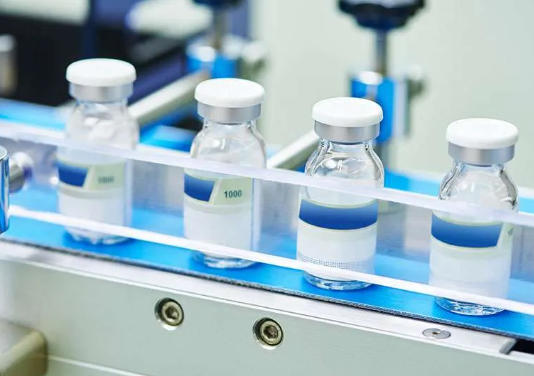
At the end of the cycle, the lyophilizer's stoppering system closes the vials under vacuum or inert gas, turning them into sealed containers ready for capping and downstream processing. This level of precision is one reason lyophilizers are trusted pharmaceutical equipment for high‑risk products.[14][17]
Types and Scales of Lyophilizers in the Pharmaceutical Industry
In real projects, there is no single “standard” lyophilizer; instead, manufacturers use different types of pharmaceutical equipment depending on their development stage and production needs.[13][2]
Common categories include:[6][14]
- Laboratory lyophilizers for early formulation development and feasibility studies.
- Pilot‑scale units for process optimization and clinical trial material.
- Production‑scale industrial lyophilizers with large shelf areas and high condenser capacities.
Production lyophilizers are often equipped with advanced features such as hydraulic stoppering systems, automatic loading and unloading, clean‑in‑place (CIP) and steam‑in‑place (SIP), and integrated process monitoring tools. Technical specifications can include shelf temperatures ranging from around \(-55 °C\) to \(+70 °C\), condenser capacities designed for large volumes, and final vacuum levels below 1 Pa, all of which are common in state‑of‑the‑art pharmaceutical equipment.[5][2]
Integration of Lyophilizers in Aseptic Fill‑Finish Lines
In a modern facility, lyophilizers are integrated with a complete set of pharmaceutical equipment that together form an aseptic fill‑finish line. Upstream systems prepare the bulk solution, while downstream systems handle capping, inspection, and packaging.[22][21][13][14]
A typical lyophilization‑centered line can include:[21][14]
- Purified water and WFI generation systems.
- Compounding tanks and mixing vessels.
- Sterile filtration skids and buffer preparation units.
- Aseptic filling and partial stoppering machines.
- The lyophilizer itself with automatic loading and in‑chamber stoppering.
- Cappers, external vial washers, inspection systems, and packaging lines.
By aligning the design of all these pharmaceutical equipment elements, manufacturers ensure smooth product flow, minimal contamination risk, and efficient cleaning and sterilization routines.[22][13]
Supporting Water and Steam Systems Around Lyophilizers
Lyophilizers cannot operate reliably without robust utilities, particularly purified water, WFI, and pure steam. Pharmaceutical equipment in these utility areas plays a crucial role in keeping the lyophilization line clean, sterile, and compliant with cGMP.[23][21][22]
Key supporting systems include:[21][22]
- Purified water and WFI systems used to prepare formulations and supply CIP units.
- Pure steam generators that produce sterile, pyrogen‑free steam for SIP cycles.
- Distribution loops, high‑quality piping, and sanitary valves designed according to pharmaceutical standards.
Pure steam generators are particularly important because they feed steam directly into lyophilizers and other pharmaceutical equipment for sterilization‑in‑place, often at temperatures around 121–134 °C. When combined with automated CIP systems, this allows equipment surfaces and internal piping to be cleaned and sterilized with minimal manual intervention, supporting consistent sterility assurance.[24][17][22][21]
Regulatory and cGMP Requirements for Lyophilization
Because lyophilization directly influences the quality and safety of injectable drugs, regulators pay close attention to the design and operation of lyophilizers and related pharmaceutical equipment. Compliance typically involves cGMP, national pharmacopeias, and specific regulatory guidelines for sterile manufacturing and lyophilization processes.[25][13][22]
For equipment vendors and users, this translates into rigorous qualification and validation activities, including:[17][25]
- Installation Qualification (IQ) to verify correct assembly and documentation.
- Operational Qualification (OQ) to confirm that the pharmaceutical equipment operates within defined ranges.
- Performance Qualification (PQ) to demonstrate that the lyophilizer can consistently produce product that meets specifications.
Additionally, computerized systems should comply with data integrity expectations such as 21 CFR Part 11, meaning that pharmaceutical equipment control systems must manage electronic records, audit trails, and user access securely. Meeting these requirements ensures that freeze‑dried products are manufactured with transparent, reproducible processes.[13][22]
Advanced Features of Modern Lyophilizers and Control Systems
Modern pharmaceutical equipment in the lyophilization space offers many advanced features that improve safety, efficiency, and data visibility. Some common capabilities include:[2][6][13]
- PLC‑based control platforms with intuitive HMIs and SCADA integration.
- Recipe management systems that store validated cycles and allow controlled changes.
- Real‑time monitoring of shelf temperature, product temperature, and chamber pressure.
- Automatic end‑point detection tools and mass‑spectrometry‑based leak or vapor analysis.
These features help pharmaceutical companies optimize cycle times, reduce energy consumption, and maintain robust documentation for regulatory inspections. As pharmaceutical equipment evolves, many manufacturers also offer digital twins and simulation tools to design and test lyophilization cycles before running real batches.[1][9][20][13]
Everheal's Role as a Pharmaceutical Equipment Partner
Everheal is a specialized Chinese pharmaceutical equipment company focusing on water systems, steam systems, liquid processing, and sterilization solutions that support lyophilization and other critical processes. The company's portfolio includes purified water generation systems, pure steam generators, multifunctional distillation units, liquid filling and sealing machines, and sterilization systems designed to integrate smoothly around the customer's chosen lyophilizers and other pharmaceutical equipment.
Beyond supplying individual machines, Everheal offers customized factory layout planning and production line design for global clients. By combining lyophilizers with robust upstream and downstream pharmaceutical equipment, Everheal helps customers build cGMP‑compliant facilities for sterile injectable products, biologics, and lyophilized diagnostics, with careful attention to process flow, cleanroom zoning, and utility routing.
Example: Lyophilizer‑Centered Aseptic Line with Everheal Systems
To illustrate how Everheal's pharmaceutical equipment can support a lyophilization project, imagine a sterile injectable plant that plans to produce lyophilized monoclonal antibody vials. In this plant, Everheal can supply purified water and WFI systems, pure steam generators, multifunctional distillation equipment, liquid filling and sealing machines, and sterilization systems that frame the customer's lyophilizers.
Upstream, Everheal's purified water and WFI systems provide high‑purity water for buffer preparation, formulation, and CIP of pharmaceutical equipment, while pure steam generators supply SIP for tanks, pipelines, and lyophilizers. In the core process, Everheal's aseptic filling and sealing machines feed vials into the lyophilizer, and downstream sterilization and handling systems ensure that finished vials reach inspection and packaging with controlled risk and high productivity.[22][21]
By treating all of these units as a single integrated pharmaceutical equipment solution, Everheal can simplify project management, reduce interface risks, and create a streamlined path from early design through qualification and routine production.
Business and Technical Benefits of Integrated Pharmaceutical Equipment
Investing in pharmaceutical equipment as a coordinated package rather than stand‑alone machines brings important business and technical advantages. When lyophilizers, water systems, steam generators, filling lines, and sterilization units are designed together, the result is often a more efficient and robust facility.[23][21][22]
Key benefits include:[21][22]
- Higher compatibility and fewer mechanical or automation conflicts between systems.
- Faster installation, commissioning, and qualification due to standardized interfaces.
- Clearer responsibility for system performance and lifecycle support.
- More efficient use of space, utilities, and maintenance resources.
For a growing pharmaceutical company or CDMO, this integrated approach allows lyophilizers and other pharmaceutical equipment to scale smoothly as demand increases, while maintaining regulatory compliance and product quality.
Conclusion
Lyophilizers are undoubtedly core pharmaceutical equipment used widely across the global pharmaceutical and biopharmaceutical industry for freeze‑drying sterile injectables, vaccines, biologics, and other high‑value products. By using controlled freezing and vacuum‑driven sublimation, lyophilization converts fragile liquid formulations into stable, dry products that can be stored and transported more easily while retaining their critical quality attributes.[12][18][14][16]
However, lyophilizers never work alone; they sit in the center of a broader network of pharmaceutical equipment, including purified water systems, WFI production, pure steam generators, aseptic filling and sealing machines, and sterilization systems designed under cGMP guidelines. As a specialized supplier, Everheal supports global customers by providing integrated pharmaceutical equipment solutions and customized factory layouts that place lyophilizers in a strong, reliable ecosystem, enabling efficient, compliant, and scalable production of lyophilized medicines.[13][21]
FAQ
1) What is lyophilization in the pharmaceutical industry?
Lyophilization is a freeze‑drying process in which water is removed from a frozen product by sublimation under vacuum, producing a stable, dry cake that can be reconstituted with sterile diluent. In the pharmaceutical industry, lyophilization is used to protect heat‑ and moisture‑sensitive drugs, vaccines, and biologics that would otherwise degrade rapidly as liquids.[11][12][15][16]
2) Why is a lyophilizer considered essential pharmaceutical equipment?
A lyophilizer is considered essential pharmaceutical equipment because it enables long‑term storage of sensitive sterile injectables without sacrificing potency or structure. It also allows pharmaceutical manufacturers to package products in ready‑to‑use vials, syringes, or cartridges that can be quickly reconstituted at the point of care, improving convenience for hospitals and patients.[18][12][14][11]
3) Which pharmaceutical products typically require lyophilization?
Products that commonly require lyophilization include antibiotics, live and attenuated vaccines, monoclonal antibodies, recombinant proteins, blood plasma derivatives, and certain diagnostic reagents. Many of these molecules are highly sensitive to temperature and moisture, so they rely on lyophilizers and related pharmaceutical equipment to achieve acceptable shelf life and global distribution.[20][12][18]
4) How do lyophilizers integrate with other pharmaceutical equipment in a plant?
Lyophilizers are usually integrated into an aseptic fill‑finish line that includes purified water and WFI systems, compounding tanks, sterile filtration units, and aseptic filling and stoppering machines. Downstream pharmaceutical equipment such as cappers, sterilizers, inspection systems, and packaging machines completes the process, ensuring that lyophilized products reach the market with controlled quality and traceability.[14][22][13][21]
5) How can Everheal support global lyophilization projects?
Everheal supports lyophilization projects by supplying key pharmaceutical equipment around the lyophilizer, including purified water generation, WFI systems, pure steam generators, multifunctional distillation units, liquid filling and sealing machines, and sterilization systems. By offering customized plant layout design and integrated production line planning, Everheal helps global clients build cGMP‑compliant facilities optimized for lyophilized products, with reliable utilities, efficient material flow, and strong long‑term support.
Citations:
[1](https://www.gea.com/en/products/dryers-particle-processing/lyophilizers/lyovac-freeze-dryer/)
[2](https://vikumer.com/pharmaceutical-freeze-dryers/)
[3](https://ima.it/pharma/machine/lyomax/)
[4](https://newlifescientific.com/blogs/new-life-scientific-blog/selecting-the-right-freeze-dryer)
[5](https://vekuma.com/pharmaceutical-freeze-dryers/)
[6](https://www.laboratory-equipment.com/blog/lyophilization-features-comparison)
[7](https://www.stellarscientific.com/seven-tray-pharmaceutical-lyophilizer-freezer-dryer-110v-with-premier-vacuum-pump/)
[8](https://www.americanpharmaceuticalreview.com/25309-Pharmaceutical-Lyophilization-Systems-Pharmaceutical-Lyophilizer-Freeze-Drying/12089806-Hull-Production-Freeze-Dryer-Lyophilizer/)
[9](https://www.syntegon.com/solutions/pharma/pharmaceutical-lyophilizer/)
[10](https://www.labfreez.com/production_freeze_dryer/)
[11](https://agnopharma.com/blog/lyophilization-of-pharmaceuticals-an-overview/)
[12](https://adragos-pharma.com/lyophilization-guide-to-freeze-drying-in-pharmaceuticals/)
[13](https://www.gea.com/en/products/dryers-particle-processing/lyophilizers/?i=pharma-healthcare&m=liquid-dosage)
[14](https://www.americanpharmaceuticalreview.com/Specialty/Formulation_Development/25310-Pharmaceutical-Manufacturing/25309-Pharmaceutical-Lyophilization-Systems-Pharmaceutical-Lyophilizer-Freeze-Drying/Compare/?compare=5822235%2C5821809%2C5822000%2C7024951%2C5821935&catid=25309)
[15](https://www.millrocktech.com/lyosight/lyobrary/what-is-a-lyophilizer/)
[16](https://en.wikipedia.org/wiki/Freeze_drying)
[17](https://www.jublhs.com/articles/demystifying-lyophilization/)
[18](https://demaco-cryogenics.com/blog/lyophilization-in-the-pharmaceutical-industry-2/)
[19](https://www.pharmanow.live/pharma-manufacturing/lyophilized-injectables-freeze-dried-fill-finish)
[20](https://www.patheon.com/us/en/insights-resources/blog/your-lyophilization-questions-answered.html)
[21](https://www.molewater.com/pure-steam-generators-matter-for-pharma-manufacturing)
[22](https://www.meco.com/product/biopharmaceutical-pure-steam-generators/)
[23](https://www.wemacpharma.com/application/pure-steam-generation-system)
[24](https://pharmectech.com/products/pure-steam-generator)
[25](https://www.fda.gov/inspections-compliance-enforcement-and-criminal-investigations/inspection-guides/lyophilization-parenteral-793)


