Content Menu
● What Is a Washable Air Filter?
● How a Washable Air Filter Works
● Benefits of Using a Washable Air Filter
● Safety and Preparation Before Washing
● Step 1 – Locate and Remove the Washable Air Filter
● Step 2 – Inspect the Washable Air Filter
● Step 3 – Pre‑Cleaning: Remove Loose Debris
● Step 4 – Apply Cleaner to the Washable Air Filter
● Step 5 – Rinse the Washable Air Filter Gently
● Step 6 – Washing Alternatives for Different Washable Air Filters
● Step 7 – Dry the Washable Air Filter Completely
● Step 8 – Oiling an Oiled Washable Air Filter
● Step 9 – Dry‑Type Washable Air Filters (No Oil)
● Step 10 – Reinstall the Washable Air Filter
● How Often Should You Wash a Washable Air Filter?
● Signs Your Washable Air Filter Needs Cleaning
● Common Mistakes to Avoid When Washing a Washable Air Filter
● Choosing the Right Washable Air Filter
● Best Practices for Long‑Term Care of a Washable Air Filter
● Conclusion
● FAQ About Washing a Washable Air Filter
>> 1: How often should a Washable Air Filter be washed?
>> 2: Can I wash any filter like a Washable Air Filter?
>> 3: Is regular soap okay for a Washable Air Filter?
>> 4: How long does a Washable Air Filter last?
>> 5: What happens if I over‑oil a Washable Air Filter?
● Citations:
A Washable Air Filter can be cleaned effectively with the right cleaner, gentle water pressure, and thorough air‑drying, then reinstalled for many more service cycles. When maintained correctly, a quality Washable Air Filter supports strong airflow, good filtration, and long‑term cost savings.
What Is a Washable Air Filter?
A Washable Air Filter is a reusable filter element designed to be cleaned and reused instead of discarded like a traditional paper filter. It is commonly used in automotive engines, HVAC systems, and some air purifiers to balance airflow and particle capture while reducing waste.
Most automotive Washable Air Filters are built from cotton gauze or synthetic media supported by a wire mesh and sealed in a rubber or urethane frame. Others, such as some HVAC Washable Air Filters, use electrostatic or synthetic layers designed to withstand repeated rinsing and mild detergents without losing shape.
How a Washable Air Filter Works
A Washable Air Filter captures dust, pollen, and other airborne contaminants while allowing enough air to flow through to support engine performance or system efficiency. As air passes through the pleated media, particles become trapped in the fibers while cleaner air continues downstream.
In oiled Washable Air Filters, a thin layer of special oil coats the fibers and helps trap very fine particles that might otherwise pass through. In dry‑type Washable Air Filters, the media itself is engineered to provide the necessary efficiency without any oil, relying on multiple layers and electrostatic or mechanical filtration.
Benefits of Using a Washable Air Filter
Using a Washable Air Filter instead of disposable filters offers several advantages in cost, performance, and sustainability. Over the life of a vehicle or system, a single Washable Air Filter can replace many sets of throw‑away filters.
Key benefits of a Washable Air Filter include:
- Reduced long‑term cost because one filter can be washed and reused multiple times.
- Less solid waste and packaging entering landfills compared with repeated disposable filter changes.
- Consistent airflow and filtration when the Washable Air Filter is serviced on schedule, supporting engine health or system efficiency.
For brands focused on durable, high‑reliability equipment—such as Everheal's pharmaceutical systems—the Washable Air Filter concept aligns with a lifecycle, total‑cost‑of‑ownership perspective that many professional buyers appreciate.
Safety and Preparation Before Washing
Before washing any Washable Air Filter, preparation is essential to protect both the filter and the equipment it serves. Begin by switching off the engine, HVAC unit, or purifier and allowing moving or hot parts to cool.
Make sure the surrounding area is clean enough that dust or loose debris will not fall directly into the intake once the Washable Air Filter is removed. If working on a vehicle, opening the hood on a stable, level surface and keeping tools organized near the airbox or intake makes the Washable Air Filter service smoother and safer.
Step 1 – Locate and Remove the Washable Air Filter
The first hands‑on step is finding the Washable Air Filter and removing it correctly. In a car, the engine Washable Air Filter usually sits in a plastic airbox connected to an intake snorkel or a performance intake tube; the lid is typically held by clips, screws, or clamps.
Open the airbox or loosen the clamp and gently lift out the Washable Air Filter, making sure no dirt drops into the open intake path. For HVAC or air purifier systems, access panels or filter doors often provide direct access to the Washable Air Filter—slide it out carefully, keeping the airflow arrows and orientation in mind for later reinstallation.
Step 2 – Inspect the Washable Air Filter
Once the Washable Air Filter is removed, inspect it thoroughly to decide whether it can be safely washed and reused. Hold the Washable Air Filter up to a light source; you should see light pass through the pleats in most areas, even if they look dark with dust.
Check the media for tears, holes, heavy deformation, or separated seams that could allow unfiltered air to bypass the Washable Air Filter. Examine the frame and sealing surfaces for cracks, warping, or missing sections; if any of these issues appear severe, replacing the Washable Air Filter is safer than washing and reinstalling it.
Step 3 – Pre‑Cleaning: Remove Loose Debris
Before applying liquid cleaner, remove as much loose debris as possible from the Washable Air Filter. Lightly tapping the frame on a hard surface can dislodge larger particles, but do not hit or crush the pleats.
A soft brush or low‑suction vacuum attachment can be used on some Washable Air Filters to remove surface dust from the dirty side. Always handle the Washable Air Filter gently at this stage—overly aggressive brushing or strong vacuum suction can distort the media and reduce its filtration performance.
Step 4 – Apply Cleaner to the Washable Air Filter
The next step is to apply a suitable cleaner formulated for your Washable Air Filter type. For many cotton gauze or oiled filters, manufacturers provide a dedicated spray cleaner that dissolves old oil and embedded dirt while protecting the fibers.
Lay the Washable Air Filter in a sink, tub, or bucket area and spray the cleaner evenly over the dirty side, covering every pleat. For very dirty Washable Air Filters, you can coat both sides, but keep the focus on the dirt‑facing surface. Allow the cleaner to soak in for the recommended time so contaminants can loosen, but do not let it dry onto the Washable Air Filter.

Step 5 – Rinse the Washable Air Filter Gently
After soaking, rinse the Washable Air Filter with cool or lukewarm water using low pressure. Always rinse from the clean side toward the dirty side, which pushes dust back the way it entered rather than deeper into the media.
Continue rinsing the Washable Air Filter until the water runs clear and no visible dirt remains between the pleats. If stubborn contamination remains, you can repeat the cleaning and rinsing steps in short cycles instead of trying high pressure, which can damage the Washable Air Filter fibers or open up holes.
Step 6 – Washing Alternatives for Different Washable Air Filters
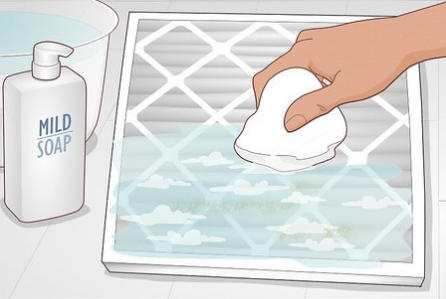
Not all Washable Air Filters use exactly the same cleaning chemistry, so it is important to match the method to the product type. Some HVAC and electrostatic Washable Air Filters are designed to be washed with mild dish detergent and water, then rinsed thoroughly to remove all soap residue.
For certain reusable air‑purifier or furnace filters, manufacturers recommend simply rinsing with water or using only very mild detergent, avoiding aggressive scrubbing or strong chemicals. The key principle is that the Washable Air Filter medium should never be exposed to solvents, gasoline, harsh degreasers, or tools that could tear or dissolve the fibers.
Step 7 – Dry the Washable Air Filter Completely
Proper drying is one of the most critical stages of servicing a Washable Air Filter. After rinsing, gently shake off excess water and allow the Washable Air Filter to air‑dry in a well‑ventilated, shaded environment.
The Washable Air Filter should feel completely dry to the touch before any re‑oiling or reinstallation, which can take several hours depending on humidity and thickness. Avoid ovens, open flames, very hot air, or placing the Washable Air Filter directly on radiators or stoves, as excessive heat can warp or shrink the media and frame.
Step 8 – Oiling an Oiled Washable Air Filter
If your Washable Air Filter is an oiled model, re‑oiling restores its fine‑particle capture ability after cleaning. Only apply the manufacturer's specified oil; generic oils or engine oil are not formulated for even wicking through the Washable Air Filter pleats.
When the oiled Washable Air Filter is dry, apply a thin, continuous bead of oil along the tops of the pleats or use a spray‑type product for more uniform coverage. Allow time for the oil to wick through the media; then check for any pale, dry areas and carefully touch them up, always avoiding heavy over‑application that can lead to drips and restricted airflow.
Step 9 – Dry‑Type Washable Air Filters (No Oil)
Many modern Washable Air Filters, especially in HVAC or some performance intake applications, are dry‑type designs that should never be oiled. These Washable Air Filters rely on multiple synthetic layers or electrostatic effects to achieve their filtration performance without an oil coating.
For a dry Washable Air Filter, cleaning ends after thorough rinsing and complete air‑drying. Adding oil to a dry‑type Washable Air Filter can actually block pores, reduce airflow, and interfere with the filter's intended efficiency, so always confirm the design before considering any oil.
Step 10 – Reinstall the Washable Air Filter
When the Washable Air Filter is clean, dry, and correctly treated, it is time to reinstall it. Place the Washable Air Filter back into the airbox, intake housing, slot, or frame in the same orientation as before, paying attention to airflow arrows or fitment marks if provided.
Ensure that the sealing surfaces of the Washable Air Filter sit evenly against the housing so that no air can bypass around the edges. Close the airbox lid, refit retaining clips or screws, or reattach clamps until the Washable Air Filter is firmly secured, then restore power or start the engine to confirm normal operation and sound.
How Often Should You Wash a Washable Air Filter?
The correct service interval for a Washable Air Filter depends on use conditions, system type, and brand guidelines. Many automotive performance Washable Air Filters can run for tens of thousands of miles between cleanings in mild, highway‑heavy driving, provided that airflow is not visibly restricted.
However, in dusty, sandy, or off‑road environments, a Washable Air Filter may need much more frequent attention. Regular inspection—such as at each oil change or at calendar intervals in HVAC systems—is the best way to decide when a Washable Air Filter should be washed rather than relying on mileage alone.
Signs Your Washable Air Filter Needs Cleaning
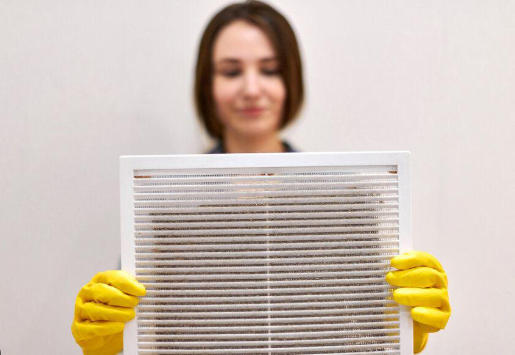
Even without tracking exact mileage or run hours, several signals can suggest that a Washable Air Filter is ready for cleaning. One obvious sign is a visibly dirty or gray surface across the pleats with accumulated dust, insects, or debris lodged deep in the folds.
Other signs include a slight loss of engine responsiveness, increased intake noise, or reduced airflow in HVAC or purification systems. While these symptoms may have multiple causes, inspecting the Washable Air Filter is a quick, low‑cost first step that often reveals whether a simple wash can restore performance.
Common Mistakes to Avoid When Washing a Washable Air Filter
Some practices can reduce the life or performance of a Washable Air Filter and should be avoided. High‑pressure water jets, strong compressed air, or aggressive scrubbing can tear fibers and open up pathways where unfiltered air can pass, even if the Washable Air Filter looks clean on the surface.
Another common mistake is re‑installing a Washable Air Filter that is still damp inside the pleats, which can contribute to corrosion, mold growth, or sensor issues. Finally, over‑oiling or using non‑approved oil on an oiled Washable Air Filter can cause sticky buildup that affects sensors and narrows airflow passages, so following manufacturer instructions is always important.
Choosing the Right Washable Air Filter
Selecting a suitable Washable Air Filter involves considering the application, operating environment, and maintenance resources. For automotive engines, a reputable aftermarket or OEM‑style Washable Air Filter sized precisely for the airbox or intake ensures proper sealing and predictable performance.
In industrial or pharmaceutical environments, where Everheal operates, the Washable Air Filter choice should reflect air quality standards, validation requirements, and compatibility with clean‑in‑place or manual cleaning protocols. Consistent documentation, traceability, and clear washing procedures for every Washable Air Filter used on a line help maintain compliance and product safety.
Best Practices for Long‑Term Care of a Washable Air Filter
To maximize durability, treat each cleaning cycle as part of a preventive maintenance plan. Keeping a simple log of when each Washable Air Filter was washed, inspected, or replaced helps avoid both neglect and unnecessary handling.
Store spare Washable Air Filters in clean, dry conditions away from direct sunlight and contaminants so they remain in good shape before use. When properly chosen, washed, dried, and reinstalled, a Washable Air Filter can deliver many years of reliable service, fitting well into a responsible, cost‑conscious maintenance strategy.
Conclusion
Washing a Washable Air Filter follows a clear process: remove it from the housing, inspect and pre‑clean it, apply the correct cleaner, rinse with gentle water from the clean side out, and then allow it to dry fully. Oiled Washable Air Filters require a light, even re‑application of the specified oil once dry, while dry‑type Washable Air Filters are simply reinstalled after thorough drying.
By respecting the limitations of the media—avoiding harsh chemicals, high pressure, excessive heat, and over‑oiling—each Washable Air Filter can provide many cleaning cycles without sacrificing filtration efficiency. Regular inspections and timely washing keep airflow stable, protect engines and equipment, and reduce long‑term operating costs, making the Washable Air Filter an effective and sustainable choice for both everyday users and professional facilities.
FAQ About Washing a Washable Air Filter
1: How often should a Washable Air Filter be washed?
In typical driving or operating conditions, many users wash a Washable Air Filter every 20,000 to 30,000 kilometers, or according to the brand's recommended interval. In very dusty or heavy‑use environments, the Washable Air Filter should be inspected more often and washed whenever it appears heavily loaded with dirt.
2: Can I wash any filter like a Washable Air Filter?
No. Only filters specifically labeled as washable or reusable should be treated as a Washable Air Filter and exposed to water or cleaner. Standard paper filters and many HEPA filters are not designed as Washable Air Filters and can lose their structure or efficiency if washed.
3: Is regular soap okay for a Washable Air Filter?
Some Washable Air Filters allow the use of mild dish detergent, but others require a dedicated branded cleaner. Always read the instructions for your particular Washable Air Filter model; if in doubt, use the cleaner recommended by the manufacturer to avoid damaging the media.
4: How long does a Washable Air Filter last?
With proper handling, a quality Washable Air Filter can last for many years and numerous cleaning cycles. Its actual lifespan depends on operating conditions, cleaning methods, and whether the Washable Air Filter media or frame ever becomes physically damaged or degraded.
5: What happens if I over‑oil a Washable Air Filter?
Over‑oiling an oiled Washable Air Filter can reduce airflow and may cause excess oil to migrate toward sensors or downstream components. To prevent problems, only apply the amount of oil specified for your Washable Air Filter, allow it to wick evenly, and wipe away any visible drips before reinstallation.
Citations:
[1](https://www.knglobalfiltration.com/how-to-clean-your-industrial-air-filter-2/)
[2](https://www.trane.com/residential/en/resources/blog/hvac-air-filter-maintenance-guide/)
[3](https://www.knfilters.com/cleaning)
[4](https://www.abestorm.com/blogs/news/how-to-clean-an-air-filter-step-by-step-guide)
[5](https://permatron.com/home-family-health/how-to-clean-washable-air-filters)
[6](https://www.parkershvac.com/blog/how-to-clean-electrostatic-air-filter/)
[7](https://www.facebook.com/groups/thedullclub/posts/2727109610827474/)
[8](https://smartairfilters.com/en/blog/how-to-clean-wash-hepa-filter/)
[9](https://www.youtube.com/watch?v=gzLVL86j2RY)


