Content Menu
● What Is a Washable Air Filter?
● Why Replacing or Cleaning the Washable Air Filter Matters
● How to Identify When the Washable Air Filter Needs Replacement or Cleaning
● Step-by-Step Guide: How to Replace a Washable Air Filter in a Furnace
>> Step 1: Turn Off the Furnace
>> Step 2: Locate the Air Filter Compartment
>> Step 3: Remove the Existing Washable Air Filter
>> Step 4: Inspect the Filter
>> Step 5: Clean the Washable Air Filter (If Reusable)
>> Step 6: Reinsert or Replace the Filter
>> Step 7: Restore Power and Test the System
● How Often Should You Replace or Clean a Washable Air Filter?
● Common Mistakes to Avoid When Maintaining Washable Air Filters
● Advantages of Washable Air Filters Over Disposable Ones
● Professional Tips for Industrial Furnace Systems
● Conclusion
● FAQ About Washable Air Filters
>> 1. How can I tell if my furnace uses a washable air filter?
>> 2. Can I install a washable air filter in any furnace?
>> 3. How long does a washable air filter last?
>> 4. Is a washable air filter better for allergies?
>> 5. What happens if I don't clean my washable air filter regularly?
Keeping your furnace in optimal condition ensures stable heating performance, energy efficiency, and clean indoor air. One of the most overlooked yet crucial maintenance tasks is replacing or cleaning the washable air filter. Whether you manage a residential HVAC system or an industrial-scale air purification setup, understanding this process helps extend equipment life and reduce operational costs.
This comprehensive guide explains, step by step, how to replace a washable air filter in a furnace. It also details what a washable filter is, how it compares with disposable filters, and how often you should service it.
What Is a Washable Air Filter?
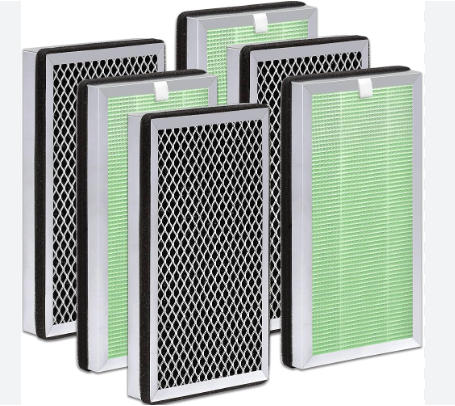
A washable air filter, sometimes known as a reusable filter, is built using durable materials like aluminum mesh, electrostatic fibers, or polyester weave. Unlike disposable filters that must be thrown away after use, washable ones can be cleaned and reinstalled multiple times.
Most furnaces designed for modern energy efficiency are compatible with washable filters. These filters trap dust, pollen, lint, bacteria, and other airborne contaminants that could otherwise clog your furnace's internal components or pollute indoor air.
Key benefits of washable air filters include:
- Longevity (can last up to 5 years or more with proper maintenance).
- Reduced waste, making them environmentally friendly.
- Long-term cost savings compared to purchasing disposable filters.
- Consistent airflow, which helps lower energy consumption.
Why Replacing or Cleaning the Washable Air Filter Matters
Over time, washable air filters accumulate dust and dirt. When clogged, they restrict airflow to your furnace system, forcing it to work harder to maintain temperature. This results in:
- Increased energy usage and utility bills.
- Reduced heating efficiency.
- Potential overheating of furnace components.
- Deterioration of indoor air quality.
- Shorter service life for both the filter and the furnace.
Regularly replacing (or washing) your washable filter maintains the balance between performance, cost, and air cleanliness.
How to Identify When the Washable Air Filter Needs Replacement or Cleaning
Since washable air filters differ in design and usage conditions, manufacturers provide recommendations on cleaning intervals. However, in general, you should inspect and clean or replace the washable air filter every 30–90 days.
Signs it's time for maintenance:
- Noticeable dust buildup on vents or around the furnace.
- Weak airflow from ducts.
- Unusual furnace noises.
- Higher energy bills.
- Visible dirt or discoloration on the filter surface.
If your environment has heavy dust, industrial air contaminants, or pets, you may need to clean the filter more often.
Step-by-Step Guide: How to Replace a Washable Air Filter in a Furnace
Step 1: Turn Off the Furnace
Before handling the system, switch off the furnace at the control panel or unplug the power connection. This ensures safety while you access internal components.
Step 2: Locate the Air Filter Compartment
Find the filter housing—commonly situated along the furnace intake side or basement return air duct. In industrial or large-capacity systems, it may be positioned within a dedicated filter chamber.
Step 3: Remove the Existing Washable Air Filter
Gently slide out the washable air filter from its slot. Note the airflow direction arrow printed on the filter frame; this orientation will matter when reinstalling the cleaned or new unit.
Step 4: Inspect the Filter
Hold the filter up to a light source. If you can barely see light passing through, the filter is clogged and requires a thorough cleaning or replacement. In case of tears, rust, or permanent discoloration, replace the filter entirely.
Step 5: Clean the Washable Air Filter (If Reusable)
1. Take the filter outside or to a utility sink.
2. Use a low-pressure hose or faucet to rinse off the debris from the clean side outward.
3. Avoid high-pressure water, which can damage the mesh or fibers.
4. For stubborn dirt, soak the filter in mild detergent and warm water for 10–15 minutes.
5. Rinse thoroughly until the water runs clear.
6. Shake off excess water and let the filter dry completely before reinstallation. Moisture trapped inside may lead to mold growth.
Step 6: Reinsert or Replace the Filter
When dry, reinstall the washable air filter in the correct airflow direction (matching the arrow you noted earlier). Ensure it fits snugly in the slot, with no gaps that could allow unfiltered air to bypass.
If you're using a new washable filter, compare its dimensions with the old one to confirm compatibility with your furnace model.
Step 7: Restore Power and Test the System
Turn the power back on and run the furnace for a few minutes. Check if airflow feels stronger and ensure there are no abnormal sounds. A clean filter allows your system to operate more quietly and efficiently.
How Often Should You Replace or Clean a Washable Air Filter?
Although the manufacturer's guidance is the best reference, most washable filters require cleaning every 60 days for moderate use. For industrial environments or households with high particulate matter, monthly cleaning is advisable.
Even though washable filters are reusable, they do not last indefinitely. After approximately 3–5 years, the filtration efficiency may decline due to wear or corrosion. Replacing your washable air filter at this time ensures continuous HVAC performance and air quality.
Common Mistakes to Avoid When Maintaining Washable Air Filters
1. Using excessive water pressure: Can bend or tear the mesh.
2. Skipping drying: A damp filter promotes bacterial or mold growth.
3. Applying harsh chemicals: These may degrade filter materials.
4. Ignoring airflow direction: Incorrect installation reduces filter efficiency.
5. Delaying cleaning cycles: Leads to performance drops and system strain.
Being aware of these pitfalls will help minimize repair costs and ensure your furnace's long-term reliability.
Advantages of Washable Air Filters Over Disposable Ones
Feature Washable Air Filter Disposable Air Filter
Lifespan 3–5 years 30–90 days
Environmental Impact Eco-friendly (reusable) Waste-generating
Cost Efficiency High long-term savings Higher monthly costs
Maintenance Requires washing/drying Simple replacement
Filtration Quality Stable with proper care Declines over time
Washable filters are increasingly popular not only in residential markets but also in commercial HVAC systems, pharmaceutical cleanrooms, and manufacturing facilities—where systems run continuously and demand consistent air purification.
Professional Tips for Industrial Furnace Systems
For large-scale operations such as pharmaceutical or packaging production facilities, air quality directly impacts product quality. Installing industrial-grade washable air filters ensures consistent filtration with minimal downtime.
- Schedule preventive maintenance checks quarterly.
- Keep spare washable filters to rotate during cleaning downtime.
- Maintain airflow pressure differential records to detect clogging early.
- Train maintenance teams to follow standardized cleaning procedures.
Companies like Everheal—specialized in cleanroom and purification systems—recommend pairing furnaces with pure steam and purified water modules to maintain sterile environments during pharmaceutical production.
Conclusion
Replacing or cleaning a washable air filter in your furnace is a small but powerful step toward better air quality, reduced energy consumption, and system longevity. By following proper replacement procedures and regular maintenance schedules, you ensure safe, cost-effective, and environmentally friendly HVAC operation. Whether for home or industrial setups, the right maintenance practices make all the difference.
FAQ About Washable Air Filters
1. How can I tell if my furnace uses a washable air filter?
Check the label or frame—washable filters are usually made of sturdy materials like aluminum mesh and marked *reusable*. Disposable filters are made of paper or cotton fibers.
2. Can I install a washable air filter in any furnace?
Most modern furnaces accept washable filters, but always confirm size and compatibility with the manufacturer's recommendations before switching.
3. How long does a washable air filter last?
Under proper maintenance, a washable air filter typically lasts 3–5 years. However, usage conditions and cleaning quality can influence its lifespan.
4. Is a washable air filter better for allergies?
Yes. Washable electrostatic filters trap microscopic particles such as pollen and dust mites, reducing allergic reactions and improving overall air hygiene.
5. What happens if I don't clean my washable air filter regularly?
Neglecting cleaning leads to airflow restriction, higher energy costs, poor air quality, and increased wear on furnace components. Over time, this may cause system failure.


