Content Menu
● Understanding the Basics of Saline and Vitamin Infusion
● Essential Equipment Required
● Step-by-Step Procedure to Infuse Saline Bag with Vitamins
>> Step 1: Prepare the Workspace
>> Step 2: Verify the Infusion Bag
>> Step 3: Assemble Materials
>> Step 4: Sanitize Injection Port
>> Step 5: Draw Vitamins
>> Step 6: Inject Vitamins into the Bag
>> Step 7: Label the Bag
>> Step 8: Connect to IV Set
● Safety and Quality Control Considerations
● Industrial Perspective: Building an Infusion Bag Production Line
>> Core Equipment in the Production Line
● Common Vitamins Used in Saline Infusions
● Troubleshooting Common Issues
● Conclusion
● FAQ About Infusion Bags and Vitamin Infusion
>> 1. What is an Infusion Bag used for?
>> 2. Can I mix multiple vitamins in one Infusion Bag?
>> 3. How should Infusion Bags be stored?
>> 4. What safety standards govern Infusion Bag production?
>> 5. Are there disposable and reusable Infusion Bags?
In modern medical and wellness practices, intravenous (IV) vitamin therapy has become a popular method for rapid nutrient absorption. At the core of this process lies the infusion bag, a sterile saline container used to deliver vitamins, minerals, and other supplements directly into the bloodstream. Learning how to infuse a saline bag with vitamins safely is essential for healthcare operators, pharmaceutical technicians, and wellness facility managers.
This article explores every step involved in the infusion process, from equipment requirements and preparation procedures to safety measures and quality control. Whether you manage a pharmaceutical plant or a clinical setting, understanding the structure of an infusion bag system ensures both efficiency and patient safety.
Understanding the Basics of Saline and Vitamin Infusion
Saline solution—usually 0.9% sodium chloride—is widely used as an isotonic medium compatible with human plasma. When vitamins are infused into this saline base, the nutrients bypass the digestive tract and enter circulation directly, maximizing bioavailability.
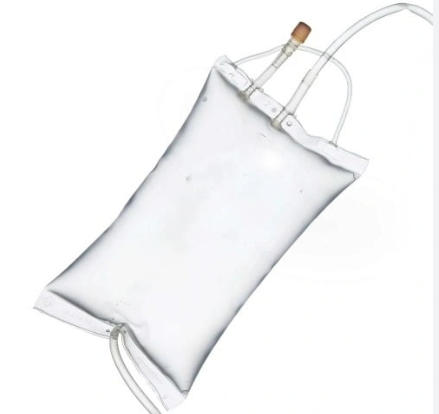
An infusion bag serves as both the container and delivery system for this therapeutic solution. Saline acts as the carrier fluid, while vitamins such as B-complex, Vitamin C, or trace minerals can be added according to clinical protocol. The success of such therapy depends on ensuring sterility, precise formulation, and controlled infusion rate.
Essential Equipment Required
For safe vitamin infusion, every component must comply with pharmaceutical manufacturing and hospital-grade standards. Below is a list of essential items needed:
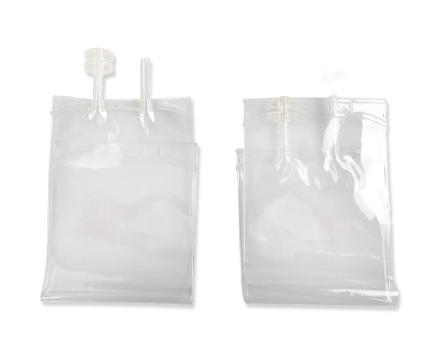
- Infusion Bag: A sterile, medical-grade bag (usually PVC-free) designed to hold saline solution.
- IV Administration Set: Tubing and flow regulators connecting the infusion bag to the patient.
- Vitamins and Nutrients: Pharmaceutical-grade additives stored in ampoules or vials.
- Injection Port and Needles: For introducing vitamin additives into the infusion bag without contamination.
- Sterile Wipes and Gloves: To ensure aseptic conditions during preparation.
- Labeling Materials: To mark the final composition, concentration, and expiration date.
High-quality manufacturing equipment—such as pure water preparation systems, sterilization systems, and liquid filling machines—play an essential role in producing safe and stable IV solutions. Companies like Everheal specialize in offering turnkey production line solutions for infusion bag manufacturing and sterile product packaging.
Step-by-Step Procedure to Infuse Saline Bag with Vitamins
The process of combining saline with vitamins demands precision and adherence to aseptic technique. Here's a clear step-by-step guide:
Step 1: Prepare the Workspace
Begin in a clean, sterile environment—preferably a laminar flow hood or controlled cleanroom area. Disinfect the work surface, hands, and gloves thoroughly to minimize contamination risk.
Step 2: Verify the Infusion Bag
Inspect the infusion bag for integrity. Ensure there are no leaks, punctures, or discolorations. Confirm the volume of saline matches the prescription order.
Step 3: Assemble Materials
Arrange vitamins, syringes, and transfer devices on the sterile surface. Check each vial for expiration date and clarity. Only use pharmaceutical-grade nutrients approved for IV use.
Step 4: Sanitize Injection Port
Wipe the port or septum of the infusion bag with a sterile alcohol swab for at least 30 seconds to remove surface microbes.
Step 5: Draw Vitamins
Using a sterile syringe and needle, draw the required amount of vitamin solution from its vial. Always remove air bubbles to avoid introducing them into the infusion bag.
Step 6: Inject Vitamins into the Bag
Insert the needle through the infusion bag's injection port. Slowly inject the vitamin solution into the saline. After infusion, gently invert or swirl the bag to achieve uniform mixing.
Step 7: Label the Bag
Clearly label the infusion bag with information including patient name, ingredients, date, batch number, and concentration. Precise labeling ensures traceability in case of quality checks.
Step 8: Connect to IV Set
Once the mixture is prepared, connect the IV tubing to the outlet port. Purge air from the tubing before patient administration to prevent embolism.
Each of these steps requires adherence to Good Manufacturing Practice (GMP) standards if performed within a pharmaceutical setting. Automated liquid filling and sealing machines from Everheal can ensure consistent and contamination-free production of IV solutions.
Safety and Quality Control Considerations
High safety standards are crucial for infusion systems. Some key measures include:
- Sterility Assurance: Every infusion bag must be sterilized before filling using validated autoclaving or steam sterilization systems.
- Proper Filtration: Vitamin additives should pass through a 0.22 μm sterilizing-grade filter before entering the infusion bag.
- Compatibility Testing: Not all vitamins mix safely; chemical compatibility between additives and saline should be verified to prevent precipitation.
- Temperature Control: Store infusion bags in controlled environments to preserve vitamin stability.
- Batch Qualification: Each production lot must undergo sterility, endotoxin, and particulate testing to meet pharmacopoeial standards.
Industrial Perspective: Building an Infusion Bag Production Line
Companies involved in medical device or pharmaceutical manufacturing can benefit from building complete infusion bag production lines. Everheal provides integrated solutions that cover every step—from purified water systems to automatic filling and sterilization units.
Core Equipment in the Production Line
- Purified Water Generation System: Supplies high-quality water for solution preparation in compliance with GMP and USP standards.
- Pure Steam Generator: Provides sterile steam for equipment sterilization.
- Multifunctional Distillation System: Produces water for injection (WFI) with high purity and low endotoxin levels.
- Liquid Filling and Sealing Machines: Ensure closed, aseptic transfer into infusion bags.
- Sterilization Systems: Use saturated steam or dry heat for final product sterilization.
Automation improves precision, reduces contamination, and increases production capacity—key factors for global pharmaceutical competitiveness.
Common Vitamins Used in Saline Infusions
Not all vitamins are suitable for IV use. The most frequently applied include:
- Vitamin C (Ascorbic Acid): Used for immune support and antioxidant therapy.
- Vitamin B Complex: Enhances metabolism and nervous system health.
- Minerals like Magnesium or Zinc: Help restore electrolyte balance.
- Glutathione and Amino Acids: Often used in detoxification and aesthetic formulations.
Before adding any additive into an infusion bag, clinicians must ensure correct dosage, dilution, and chemical stability according to pharmaceutical references.
Troubleshooting Common Issues
Even well-trained staff may face challenges during vitamin infusion preparation. Typical problems include:
- Precipitation in Solution: Caused by pH incompatibility or high vitamin concentration.
- Cloudiness or Discoloration: Indicates contamination or chemical reaction.
- Leaking Infusion Bag: Occurs if the injection port is damaged or improperly sealed.
- Air Bubbles in Line: Result from incomplete priming of IV tubing.
- Incorrect Labeling: May lead to dosage or identification errors.
Routine staff training and ISO-certified quality assurance reduce such risks and maintain reliability.
Conclusion
Knowing how to infuse a saline bag with vitamins is a vital skill bridging medicine, wellness, and pharmaceutical engineering. From preparing a sterile infusion bag to selecting compatible vitamins, each step must follow scientific protocol and GMP standards. For large-scale or clinical operations, investing in automated filling, sterilization, and water purification systems—like those offered by Everheal—ensures both efficiency and product integrity.
By applying these best practices, you not only enhance patient safety but also align your facility with international quality benchmarks for IV solution manufacturing.
FAQ About Infusion Bags and Vitamin Infusion
1. What is an Infusion Bag used for?
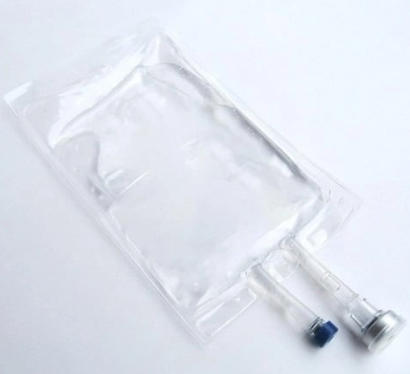
An infusion bag is a sterile container that holds saline or other IV fluids for direct administration into the bloodstream. It ensures nutrients or medications are delivered under controlled flow and sterile conditions.
2. Can I mix multiple vitamins in one Infusion Bag?
Yes, but compatibility testing is required. Some vitamins or trace elements may react and form precipitates when combined. Always follow pharmacological guidelines or consult a pharmacist before mixing.
3. How should Infusion Bags be stored?
Store infusion bags in a clean, temperature-controlled environment. Light-sensitive vitamins should be protected from direct exposure using opaque overwraps.
4. What safety standards govern Infusion Bag production?
Production must comply with Good Manufacturing Practice (GMP) and pharmacopeial standards like USP or EP. This includes sterility validation, endotoxin testing, and material biocompatibility checks.
5. Are there disposable and reusable Infusion Bags?
Yes. Most clinical-use infusion bags are disposable single-use items made from non-toxic polymer materials. Reusable systems exist in industrial or research settings but require thorough re-sterilization between uses.


