Content Menu
● Understanding the Importance of Cleaning a Distillation Water Machine
>> Key reasons to clean your Distillation Water Machine regularly:
● Safety Precautions Before Cleaning
>> Essential safety steps:
● Step-by-Step Guide: How To Clean a Distillation Water Machine
>> Step 1: Draining the System
>> Step 2: Disassembling and Inspection
>> Step 3: Descaling and Chemical Cleaning
>>> Recommended cleaning agents:
>> Step 4: Rinsing and Flushing
>> Step 5: Disinfection and Sterilization
>> Step 6: Drying and Reassembly
>> Step 7: System Validation and Testing
● Preventive Maintenance Tips
>> Recommended practices:
● Common Mistakes to Avoid During Cleaning
● Benefits of a Regular Cleaning Schedule
● Environmental Considerations
● Conclusion
● FAQ
>> 1. How often should I clean my Distillation Water Machine?
>> 2. Which cleaning agents are safe to use for stainless steel parts?
>> 3. Can I clean a Distillation Water Machine while it's still warm?
>> 4. How can I check if cleaning was successful?
>> 5. What happens if I neglect regular maintenance?
Maintaining the cleanliness and performance of a Distillation Water Machine is critical for ensuring the consistent production of pure, pharmaceutical-grade water. Over time, mineral deposits, microbial films, and organic residues may accumulate inside the unit, compromising the purity of the distilled water and the overall efficiency of the machine.
For pharmaceutical manufacturers, laboratories, and health facilities, a well-maintained system guarantees product quality compliance and longevity of equipment. This guide provides an in-depth explanation of how to properly clean and maintain your Distillation Water Machine, following industry best practices and Everheal's engineering expertise in water purification technology.
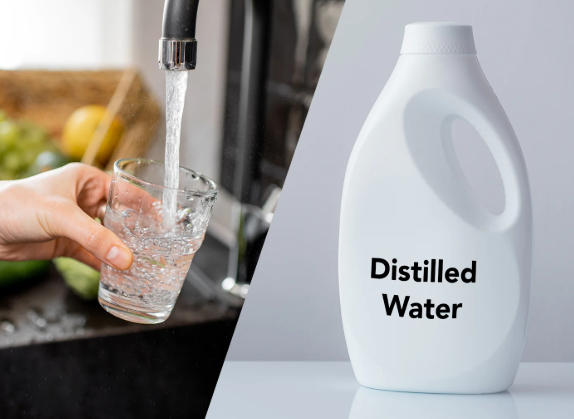
Understanding the Importance of Cleaning a Distillation Water Machine
A Distillation Water Machine works by boiling raw or pretreated water and condensing the steam into pure distilled water, leaving contaminants behind. However, the continuous concentration of impurities during operation can result in scaling, corrosion, and contamination risks.
Key reasons to clean your Distillation Water Machine regularly:
- Prevent scaling: Mineral build-up, especially calcium and magnesium salts, can reduce heat transfer efficiency.
- Maintain water purity: Cleaner systems produce purer distilled water, crucial for pharmaceutical-grade applications.
- Avoid system corrosion: Deposits and residual moisture can accelerate oxidation or microbial growth.
- Reduce downtime and energy costs: Regular cleaning improves operational reliability and efficiency.
- Extend service life: Routine maintenance can significantly increase the machine's lifespan, lowering long-term costs.
Cleaning frequency may vary depending on water quality, production cycle, and equipment size. In a high-volume pharmaceutical production environment, daily inspection and scheduled cleaning every one to two weeks are strongly recommended.
Safety Precautions Before Cleaning
Before beginning the cleaning process, always ensure that safety protocols are strictly followed. A Distillation Water Machine operates under high temperature and pressure, so improper handling can cause severe injury or equipment damage.
Essential safety steps:
1. Power down and disconnect: Always switch off the main power supply and disconnect the machine from all electrical sources.
2. Cool down system: Allow adequate cooling time before opening any component or disconnecting pipes.
3. Depressurize the system: Release any residual steam pressure to avoid burns or sudden steam leaks.
4. Wear personal protective equipment (PPE): Use heat-resistant gloves, safety goggles, chemical-resistant clothing, and protective footwear.
5. Follow chemical handling guidelines: When using descaling or disinfecting agents, read the product label and safety data sheet (SDS).
Adhering to these precautions ensures both safety and product integrity during maintenance.
Step-by-Step Guide: How To Clean a Distillation Water Machine
Proper cleaning of a Distillation Water Machine involves multiple stages, from draining and descaling to rinsing and sterilizing. The process can be either manual (for small units) or automated (for industrial-scale systems with clean-in-place configurations).
Step 1: Draining the System
Start by draining residual water from the boiling chamber and condenser sections. Ensure that all drain valves are fully opened to allow complete removal of stagnant water and impurities. For systems integrated with automatic drainage, verify that the drain lines are clear and unblocked.
Draining prevents concentrated contaminants from re-entering the system during the cleaning phase.
Step 2: Disassembling and Inspection
Next, disassemble removable parts such as the boiling chamber cover, condenser coil, gaskets, and feedwater inlet. Inspect all components for:
- Scale or lime deposits
- Corrosion spots
- Microbial or organic buildup
Any damaged or heavily corroded parts should be replaced immediately to maintain consistent system performance.
Step 3: Descaling and Chemical Cleaning
Scale deposits are a common issue in any Distillation Water Machine, particularly in regions with hard water. Descaling involves using a mild acidic solution to dissolve mineral buildup.
Recommended cleaning agents:
- Citric acid (5–10% solution)
- Acetic acid (5% vinegar solution for light scaling)
- Commercial descaling chemicals approved for stainless steel equipment
Cleaning procedure:
1. Fill the boiling chamber with the descaling solution until fully covered.
2. Allow the solution to circulate or soak for approximately 30–60 minutes.
3. If using a CIP (Clean-In-Place) system, maintain gentle circulation while monitoring pH and chemical concentration.
4. Drain and rinse thoroughly with deionized or distilled water.
Avoid strong acids like hydrochloric acid unless specified by the manufacturer, as they may damage internal surfaces.
Step 4: Rinsing and Flushing
Rinse the equipment thoroughly with purified water to remove residual chemicals or loosened deposits. Perform multiple flush cycles if necessary until the water exiting the drain appears completely clear and neutral in pH.
For large-scale Distillation Water Machines, automated rinse programs ensure uniform cleaning across all pipelines and evaporator sections.
Step 5: Disinfection and Sterilization
After descaling and rinsing, disinfection eliminates any microbial contamination that may remain inside the vessel or condensate lines. Suitable disinfectants include:
- Hydrogen peroxide (3%–6%)
- Peracetic acid
- Heat sterilization using pure steam
Run the disinfection cycle for 30–60 minutes, ensuring all internal surfaces are in contact with the disinfectant. Afterward, flush all lines with sterile distilled water to remove any chemical traces.
Step 6: Drying and Reassembly
Before reassembling, dry all parts using clean compressed air or allow natural drying in a cleanroom environment. Never wipe the interior surfaces with cloths that may shed fibers or introduce foreign particles.
Reassemble the machine carefully, ensuring that:
- All seals and gaskets fit properly.
- No components are misaligned.
- Tighten fittings to manufacturer torque specifications.
Step 7: System Validation and Testing
Once cleaning is complete, restart the Distillation Water Machine to validate its performance. Conduct the following tests:
- Conductivity testing: Check if the produced distilled water meets set conductivity limits.
- TOC (Total Organic Carbon) levels: Verify organic content to confirm cleanliness.
- Visual inspection: Ensure no discoloration or particulate contamination.
- Boiling test: Run the unit through a complete cycle to stabilize output quality.
Record all test results and cleaning actions in a maintenance log for traceability and audits.
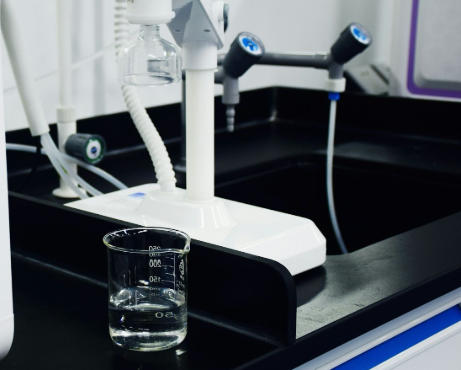
Preventive Maintenance Tips
To ensure long-term reliability, preventive maintenance should be an integral part of your operational routine.
Recommended practices:
- Use pre-filtered water to minimize mineral load.
- Regularly inspect heating elements for efficiency.
- Clean condenser tubes and collection tanks monthly.
- Replace gaskets and filters as per manufacturer's schedule.
- Schedule professional performance validation annually.
Everheal's Distillation Water Machines are designed for easy maintenance with modular structures and accessible connections, reducing maintenance downtime for pharmaceutical clients worldwide.
Common Mistakes to Avoid During Cleaning
Even experienced operators can make simple errors that compromise cleaning effectiveness or damage the machine. Avoid the following:
- Using abrasive tools such as metal brushes that may scratch stainless steel surfaces.
- Ignoring system pressure: Cleaning while the system is still hot or pressurized is dangerous.
- Skipping rinsing after chemical cleaning: Residual acids can corrode internal parts and contaminate distilled water.
- Using unapproved chemicals: Always verify material compatibility and manufacturer recommendations.
- Neglecting record-keeping: Document every cleaning activity, including date, chemicals used, and inspection results.
Maintaining accuracy and consistency in your cleaning process ensures compliance with GMP (Good Manufacturing Practice) and quality standards such as ISO 9001 and USP water quality requirements.
Benefits of a Regular Cleaning Schedule
A consistent cleaning schedule for your Distillation Water Machine translates into measurable operational benefits:
- Consistent Distillate Quality: Stable conductivity and TOC results ensure batch-to-batch purity.
- Energy Efficiency: Clean heat exchangers use less energy for the same output.
- Reduced Equipment Downtime: Prevention minimizes emergency repair incidents.
- Prolonged Equipment Life: Reduced corrosion and scaling ensure durability.
- Regulatory Compliance: Meets pharmaceutical and health industry standards for pure water systems.
Ultimately, maintaining your distillation equipment is an investment in both quality and efficiency.
Environmental Considerations
Cleaning a Distillation Water Machine responsibly also includes managing chemical effluents and wastewater. Neutralize acidic or basic cleaning solutions before discharge and comply with local environmental regulations.
Where possible, Everheal encourages customers to adopt green cleaning solutions, such as biodegradable descalers and water recycling options during rinsing. Sustainable practices not only protect the environment but also improve the company's ESG profile.
Conclusion
Regular and thorough cleaning of your Distillation Water Machine ensures optimal performance, safety, and water purity — all critical to pharmaceutical and industrial operations. By following systematic cleaning steps, using proper chemicals, and maintaining consistent records, you can extend the life and reliability of your equipment.
At Everheal, we support our global clients with advanced water purification systems, including distilled water machines, pure steam generators, and sterilization solutions tailored to meet stringent international pharmaceutical standards. Proper maintenance and cleaning practices are the cornerstone of sustained excellence and compliance.
FAQ
1. How often should I clean my Distillation Water Machine?
Cleaning frequency depends on production scale and water quality. For continuous pharmaceutical operations, perform a full cleaning every 1–2 weeks and daily inspections for any precipitate buildup.
2. Which cleaning agents are safe to use for stainless steel parts?
Approved agents include citric acid, acetic acid, or proprietary descalers formulated for stainless steel. Avoid hydrochloric acid and abrasive compounds to prevent corrosion damage.
3. Can I clean a Distillation Water Machine while it's still warm?
No. Allow the system to cool completely and depressurize before cleaning to avoid burns or stress damage to components.
4. How can I check if cleaning was successful?
Conductivity, TOC testing, and visual inspection help confirm successful cleaning. If the distilled water meets expected purity standards, your system is properly cleaned.
5. What happens if I neglect regular maintenance?
Neglecting maintenance may lead to scaling, corrosion, microbial contamination, equipment failure, and potential regulatory non-compliance. Regular care ensures consistent water quality and longer machine lifespan.


