Content Menu
● Typical Replacement Intervals for HEPA Air Filter
● Key Factors That Affect HEPA Air Filter Lifespan
>> Indoor Air Quality and Pollution Level
>> Pets, Smoking, and Household Habits
>> Usage Time and Fan Speed
>> Filter Quality, Design, and System Type
● Signs Your HEPA Air Filter Needs Replacement
>> Reduced Airflow and Increased Noise
>> More Dust, Allergies, or Odors
>> Visual Inspection and Filter Indicators
● Cleaning vs Replacing HEPA Air Filter
>> Why Most HEPA Air Filters Are Not Washable
>> “Washable” or “Permanent” Filters
● How to Replace a HEPA Air Filter Safely
>> Basic Replacement Steps
>> Disposal and Safety Considerations
● Maintenance Tips to Extend HEPA Air Filter Life
● HEPA Air Filter Replacement in Professional and Cleanroom Settings
● Practical Replacement Scenarios for Different Users
● Conclusion
● FAQ: HEPA Air Filter Replacement
>> 1. How often should I replace the HEPA Air Filter in my home air purifier?
>> 2. How can I tell when my HEPA Air Filter is no longer effective?
>> 3. Can I extend HEPA Air Filter life by washing or vacuuming it?
>> 4. Does running the purifier at a lower speed help the HEPA Air Filter last longer?
>> 5. How are HEPA Air Filter replacement schedules different in medical or pharmaceutical environments?
● Citations:
Using a high‑quality HEPA Air Filter in an air purifier is one of the most effective ways to remove fine dust, allergens, and microorganisms from indoor air, helping protect both comfort and health. Over time, the HEPA Air Filter fills with captured particles, which increases resistance, reduces airflow, and gradually lowers filtration efficiency unless the filter is replaced on schedule.[4][7][10][1]
Replacing the HEPA Air Filter at the right interval keeps the air purifier working close to its original clean air delivery rate, rather than wasting energy pushing air through a clogged filter. A consistent replacement plan is especially important for children, elderly people, or anyone with allergies, asthma, or other respiratory conditions who rely on the HEPA Air Filter for stable indoor air quality.[3][6][7][1]
Typical Replacement Intervals for HEPA Air Filter
For most residential air purifiers, manufacturers recommend replacing the HEPA Air Filter roughly every 6–12 months under normal indoor conditions. In many product guides, 6 months is used when the purifier runs heavily or in poorer air, while 12 months applies to lighter, cleaner environments with moderate use.[5][7][8][10][1][4]
Some brands express HEPA Air Filter life in operating hours instead of months; for example, around 1,400 hours of high‑speed operation corresponds to about six months at eight hours per day. These recommendations are starting points, and users should adjust them based on visible filter load, air quality indicators, and any symptoms or dust accumulation they observe.[7][10][4][5]
Key Factors That Affect HEPA Air Filter Lifespan
Indoor Air Quality and Pollution Level
Indoor and outdoor air quality strongly influence how long a HEPA Air Filter can operate effectively. Urban environments with high traffic pollution, industrial emissions, nearby construction, or frequent wildfires load the HEPA Air Filter much faster than low‑pollution rural regions.[10][5][7]
Even inside the same city, homes with frequent cooking, heavy dust, or poor ventilation will push more particulates into the HEPA Air Filter and shorten its life. When the surrounding air is especially dirty, relying on the upper end of the 6–12‑month guideline can lead to reduced performance, so more frequent replacement is advisable.[8][1][5][7]
Pets, Smoking, and Household Habits
Homes with dogs, cats, or other shedding animals often need more frequent HEPA Air Filter replacement because hair, dander, and tracked‑in dirt all contribute to filter loading. If multiple pets are present or cleaning habits are inconsistent, the HEPA Air Filter may reach its capacity well before the longest recommended interval.[11][1][5][10]
Indoor smoking or frequent use of candles and incense generates fine particles and sticky residues that can quickly clog a HEPA Air Filter and any associated carbon filter. In these situations, a 3–6‑month replacement cycle is more realistic to maintain effective particle removal and odor control.[12][5][11]
Usage Time and Fan Speed
The more hours per day the air purifier runs, and the higher the fan speed, the more air volume passes through the HEPA Air Filter and the faster the media fills up. Running the purifier 24/7 on high will use up the HEPA Air Filter significantly earlier than running it a few hours per day on a lower setting.[4][8][10]
Some people only run their air purifier at night or during allergy season; in those cases, the calendar life of the HEPA Air Filter may approach the upper recommended limit because total operating hours are lower. However, if the device is used continuously in a busy living room or office, it is sensible to shorten the HEPA Air Filter replacement interval to keep performance stable.[13][1][7][4]
Filter Quality, Design, and System Type
Filter design also plays a large role in how long a HEPA Air Filter lasts. Deep‑pleated filters with higher surface area generally hold more dust and maintain efficiency for longer periods compared with thin, shallow, or poorly pleated HEPA Air Filter products.[14][10]
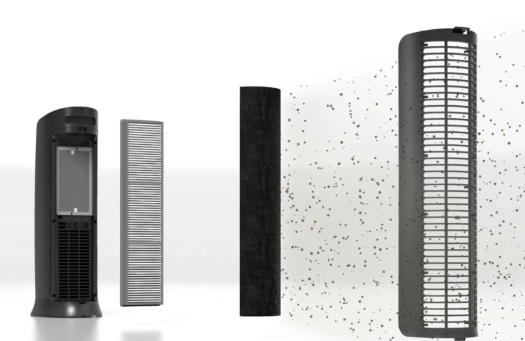
Systems that incorporate a good pre‑filter to catch larger particles like hair and coarse dust can significantly extend the life of the downstream HEPA Air Filter. In contrast, systems without effective pre‑filters force the HEPA Air Filter to capture everything, causing faster loading and more frequent replacement.[2][15][8]
Signs Your HEPA Air Filter Needs Replacement
Reduced Airflow and Increased Noise
One of the most obvious signs of a worn‑out HEPA Air Filter is reduced airflow at the purifier outlet when the fan speed is unchanged. As dust builds up in the HEPA Air Filter media, pressure drop increases, forcing the fan to work harder and sometimes making the unit noisier.[16][17][3][10]
If you notice that the purifier sounds strained, or that air movement feels weaker despite using a higher setting, it likely indicates that the HEPA Air Filter is heavily loaded and should be replaced. In more advanced systems, pressure sensors or airflow measurements may be used to trigger maintenance before performance falls too far.[6][17][3][16]
More Dust, Allergies, or Odors
Another clear indicator of a HEPA Air Filter losing performance is visible dust accumulation in the room even though the purifier is running as usual. When furniture and shelves become dusty more quickly, the HEPA Air Filter may no longer capture fine particles effectively.[1][8][10]
If anyone in the household notices worsening allergies, asthma, or other respiratory symptoms, it may signal that the HEPA Air Filter has degraded and is allowing more allergens through. Persistent odors can also indicate saturation of both the HEPA Air Filter and any carbon pre‑filter or odor filter, suggesting it is time for a full filter change set.[18][6][11][1]
Visual Inspection and Filter Indicators
While HEPA media captures particles too small to see, heavy discoloration, visible dust, or deformation of the filter frame all point to the need for replacement. Many devices include electronic filter‑life indicators or app notifications that combine runtime, fan speed, and sometimes pollution sensor data to estimate remaining HEPA Air Filter life.[17][19][1][4]
When the indicator light turns on or the app suggests a new HEPA Air Filter, it is best to follow that recommendation rather than waiting for obvious performance problems. In technical or regulated environments, regular testing and scheduled inspections may be even more important than simple visual checks.[2][3][17][4]
Cleaning vs Replacing HEPA Air Filter
Why Most HEPA Air Filters Are Not Washable
Most residential HEPA Air Filter cartridges are designed for single‑use service and are not meant to be washed or rinsed. Exposing the filter media to water can damage the delicate fibers, change pore structure, and reduce filtration efficiency.[15][19][17]
Even if the HEPA Air Filter appears cleaner after rinsing, microscopic damage can create subtle leaks that allow fine particles to bypass the media. For this reason, product instructions typically emphasize replacement at defined intervals rather than washing a used HEPA Air Filter.[19][8][15]
“Washable” or “Permanent” Filters
Some devices advertise washable or permanent filters, but these are usually not true HEPA Air Filter elements and often have different performance ratings. They may rely on electrostatic or coarse filtration and can lose effectiveness if cleaned incorrectly or used for too long.[20][21][8]
If a filter is truly washable, that information should be clearly stated by the manufacturer, along with specific cleaning instructions and expected service life. When in doubt, treat the filter as non‑washable and follow the recommended replacement schedule to avoid compromising air quality.[8][19][20]
How to Replace a HEPA Air Filter Safely
Basic Replacement Steps
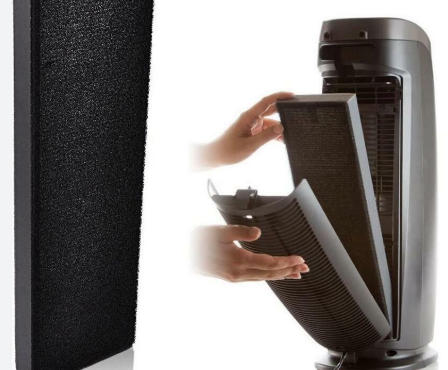
A safe, effective HEPA Air Filter replacement routine typically includes the following steps:
1) Turn off and unplug the air purifier before opening any panels.[17][19]
2) Remove the access cover according to the manual and note how the current HEPA Air Filter and pre‑filters are installed.[15][17]
3) Carefully lift out the used HEPA Air Filter, keeping it upright and avoiding shaking to prevent dust from escaping.[10][19]
4) Place the old HEPA Air Filter in a bag or other container for disposal, following any local guidelines if the environment is sensitive or regulated.[12][17]
5) Remove packaging from the new HEPA Air Filter, align it with any airflow arrows, and seat it firmly so that seals and gaskets form a tight barrier around the filter frame.[15][17]
6) Reinstall any pre‑filters, close the access panel, plug the unit back in, and reset the filter‑life indicator if the purifier includes one.[1][4]
These steps help ensure the new HEPA Air Filter operates as designed, without bypass leaks that could reduce overall filtration performance. Consistent replacement using a proper procedure also supports stable airflow and lower energy consumption over the lifetime of the purifier.[3][6][17][15]
Disposal and Safety Considerations
Used HEPA Air Filter elements contain concentrated dust, pollen, spores, and other contaminants, so they should be handled with basic hygiene in mind. In most homes, sealing the HEPA Air Filter in a bag and disposing of it with household trash is adequate, followed by hand‑washing.[10][12][1]
In healthcare facilities, cleanrooms, or pharmaceutical plants, disposal requirements may be stricter, with procedures defined by local regulations or internal environmental health and safety policies. In those settings, HEPA Air Filter replacement and disposal often form part of documented maintenance protocols and audits.[2][3][17]
Maintenance Tips to Extend HEPA Air Filter Life
A few simple habits can extend the useful life of a HEPA Air Filter while keeping air quality high:
- Maintain pre‑filters: Clean or replace pre‑filters at the intervals specified by the manufacturer so they can capture hair and coarse dust before it reaches the HEPA Air Filter.[8][2]
- Control indoor pollution sources: Avoid smoking indoors, limit burning candles or incense, and regularly groom pets to reduce particulate load on the HEPA Air Filter.[5][11][12]
- Match purifier capacity to room size: Use an air purifier with an appropriate clean air delivery rate so it does not need to run at maximum output constantly, which can extend HEPA Air Filter life.[4][10]
- Follow and adapt manufacturer guidelines: Use the recommended schedule for the specific HEPA Air Filter model as a baseline, then adjust based on your environment, observed dust levels, and health symptoms.[7][1][8]
These practices help each HEPA Air Filter reach its intended lifetime without sacrificing indoor air quality, which also supports energy‑efficient operation.[3][7]
HEPA Air Filter Replacement in Professional and Cleanroom Settings
In cleanrooms, hospitals, and pharmaceutical facilities, HEPA Air Filter replacement is driven more by performance testing and regulatory standards than by simple time intervals. Regular leak tests, pressure measurements, and conformity checks are used to determine whether HEPA Air Filter elements continue to meet cleanliness and airflow requirements.[2][3]
Some cleanroom experts report that HEPA Air Filter units can remain in service for several years, sometimes up to eight years, provided they pass periodic integrity tests and operate within specified pressure ranges. However, other facilities choose shorter, conservative replacement cycles, such as one to three years, especially in more contaminated or critical zones.[5][3][2]
In these environments, HEPA Air Filter replacement schedules are documented, audited, and integrated into a broader contamination‑control strategy that may also include purified water, clean steam, and sterilization systems. Engineering teams plan filter locations, access space, and testing ports as part of factory layout and HVAC design to support safe, efficient maintenance.[17][3][2]
Practical Replacement Scenarios for Different Users
Different users can apply the same principles but adjust the HEPA Air Filter schedule to their own situation:
- Standard home without pets: Replace the HEPA Air Filter about every 6–12 months, using dust levels and any indicator lights as guidance.[7][1][8]
- Home with pets or smokers: Plan on changing the HEPA Air Filter roughly every 3–6 months to keep up with higher particle and odor loads.[11][12][5]
- Seasonal allergy use only: If the purifier runs mainly during high‑pollen months, the HEPA Air Filter may last longer in calendar time, but monitor symptoms and replace at least annually.[13][1]
- Medical or pharmaceutical environment: Follow documented procedures and test‑based criteria, typically replacing HEPA Air Filter units as soon as they fail a leak test or reach defined pressure limits.[3][2]
By combining manufacturer guidelines with real observations of airflow, dust levels, and health responses, each user can fine‑tune HEPA Air Filter replacement to balance cost and protection.[7][10]
Conclusion
Replacing the HEPA Air Filter at appropriate intervals is essential for keeping an air purifier effective, energy‑efficient, and reliable. While general advice points to a 6–12‑month interval for most homes, factors such as pollution, pets, smoking, heavy usage, and health sensitivity may require more frequent HEPA Air Filter changes.[12][1][5][8][10][7]
Watching for reduced airflow, more visible dust, worsening allergies, or indicator lights helps identify when a HEPA Air Filter is past its best performance. In regulated environments like hospitals and pharmaceutical plants, strict test‑based protocols define HEPA Air Filter replacement to maintain compliance and product safety. By following these principles, users can ensure that every HEPA Air Filter delivers the clean, safe air it is designed to provide.[6][16][1][2][3]
FAQ: HEPA Air Filter Replacement
1. How often should I replace the HEPA Air Filter in my home air purifier?
For typical households with average air quality and daily use, most manufacturers recommend changing the HEPA Air Filter every 6–12 months. If you have pets, smoke indoors, or live in a highly polluted area, it is safer to replace the HEPA Air Filter every 3–6 months to maintain performance.[11][1][5][8][12][7]
2. How can I tell when my HEPA Air Filter is no longer effective?
Signs include weaker airflow from the purifier, more dust settling on surfaces, and increased allergy or asthma symptoms despite regular use. Many devices also have filter indicators or app alerts that signal when the HEPA Air Filter has reached its expected service life, and those should be followed promptly.[16][6][1][4][17]
3. Can I extend HEPA Air Filter life by washing or vacuuming it?
Most HEPA Air Filter products used in consumer air purifiers are not washable, and rinsing them with water can damage the media and reduce filtration efficiency. Light vacuuming of the surface may remove some loose dust, but it does not restore full performance, so the HEPA Air Filter still needs to be replaced on schedule.[19][15][17]
4. Does running the purifier at a lower speed help the HEPA Air Filter last longer?
Yes, running the air purifier at lower fan speeds and for fewer hours per day reduces the total volume of air passing through the HEPA Air Filter, which can extend its life. However, the purifier must still deliver enough clean air for the room size, so HEPA Air Filter life must be balanced against adequate air cleaning.[13][4][10]
5. How are HEPA Air Filter replacement schedules different in medical or pharmaceutical environments?
In medical, cleanroom, and pharmaceutical settings, HEPA Air Filter replacement is based on integrity tests, pressure measurements, and regulatory guidelines rather than simple calendar time. Filters are kept in service as long as they pass leak tests and meet performance criteria, and they are replaced immediately if they fail or if pressure drop or energy use becomes excessive.[2][3]
Citations:
[1](https://hunterpureair.com/blogs/news/how-often-to-replace-air-purifier-filters)
[2](https://kleanlabs.com/blog/hepa-filter-replacement-guidelines-recommended-frequency/)
[3](https://cleanroomtechnology.com/when-to-replace-your-hepa-filter-according)
[4](https://smartairfilters.com/en/blog/when-to-change-your-air-purifiers-hepa-filter/)
[5](https://www.kwikkarwhitesettlement.com/general/how-often-change-air-filter/)
[6](https://www.rogerlnewman.com/post/how-often-should-you-replace-your-hvac-filter)
[7](https://cowaymega.com/blogs/blog/the-importance-of-changing-your-hepa-air-filters-on-time)
[8](https://www.livesans.com/blogs/education/how-often-do-you-replace-a-filter)
[9](https://www.reddit.com/r/Frugal/comments/a14fma/do_i_really_need_to_change_my_hepa_air_filter/)
[10](https://customfiltersdirect.com/blogs/air-filter-blog/how-long-do-hepa-filters-last)
[11](https://www.rabbitair.com/blogs/air-purifier/how-often-to-replace-air-purifier-filters-in-homes-with-pets)
[12](https://learn.sensibo.com/b2c-blog/how-long-do-hepa-filters-last)
[13](https://getpuroair.com/blogs/news/how-long-should-you-expect-your-air-purifier-filter-to-last)
[14](https://servicechampions.com/blog/how-often-should-i-change-my-hepa-filter/)
[15](https://www.cleanroomspecialists.com/blog/7-tips-for-maintaining-your-fan-powered-hepa-filters)
[16](https://www.vevor.com/diy-ideas/how-long-do-hepa-filters-last/)
[17](https://www.sepsservices.com/resources/enhancing-air-quality-a-guide-to-hepa-filter-testing-replacement-and-maintenance/)
[18](https://airdogusa.com/blogs/articles/how-often-should-i-change-my-air-purifier-filter)
[19](https://filtersdirect.uk/how-to-clean-a-hepa-filter-guide/)
[20](https://mooremech.net/air-purifier-maintenance-tips/)
[21](https://www.youtube.com/watch?v=AGvaw4cVLrk)


