Content Menu
● Understanding Continuous IV Infusion
● Why Changing an Infusion Bag Is Essential
● Standard Recommendations for Changing IV Bags
● Factors Determining Change Frequency
>> 1. Medication Stability
>> 2. Type of Solution
>> 3. Environmental Conditions
>> 4. Infusion System Design
>> 5. Patient and Clinical Variables
● The Role of Pharmaceutical Equipment in Infusion Quality
● Best Practices for Handling and Changing Infusion Bags
● Common Mistakes to Avoid
● Technological Advances in Infusion Bag Manufacturing
● Importance of GMP Compliance and Documentation
● Environmental Impact of IV Bag Disposal
● Conclusion
● FAQ
>> 1. How often should a standard saline Infusion Bag be changed?
>> 2. Can a partially used Infusion Bag be reused for another patient?
>> 3. What happens if an Infusion Bag is used beyond its recommended time?
>> 4. Does the type of IV fluid affect how often the bag should be changed?
>> 5. How can Everheal's equipment improve Infusion Bag safety?
Continuous IV infusion is one of the most common medical procedures in hospitals, laboratories, and pharmaceutical production environments. Whether used for fluid resuscitation, medication delivery, or nutritional support, an Infusion Bag plays a crucial role in maintaining patient safety and ensuring treatment efficiency. However, one of the most frequently asked questions among healthcare professionals and facility managers is: How often should a continuous infusing IV bag be changed?
This article explores the science, safety guidelines, and best practices behind IV bag changes, detailing factors such as duration, medication type, contamination risks, and hospital protocols. It also highlights how modern pharmaceutical systems, like those developed by Everheal, optimize IV fluid production and distribution to meet global regulatory standards.
Understanding Continuous IV Infusion
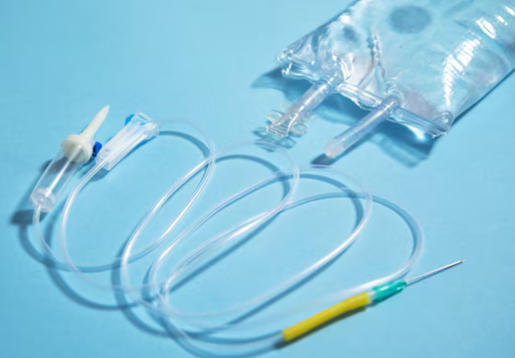
A continuous infusion refers to a steady, controlled administration of fluids or medications through an intravenous (IV) line over several hours or days. Unlike intermittent infusions that are given at intervals, continuous infusions maintain a constant flow of fluids into the patient's bloodstream.
The Infusion Bag, acting as the fluid reservoir, connects to the administration set and pump that regulate flow rate. The bag's sterile design prevents microbial contamination while ensuring dosage accuracy. Common contents of infusion bags include saline solutions, antibiotics, electrolytes, nutrients, and chemotherapy agents.
Why Changing an Infusion Bag Is Essential
Regularly changing an Infusion Bag is not just a procedural habit—it's a critical infection control measure. Over time, even a sealed IV bag can become a breeding ground for bacteria if exposed to improper temperatures or handling.
The primary reasons for bag replacement include:
- Preventing microbial contamination: Beyond 24 hours of use, the risk of bacterial growth significantly increases, particularly if the system is exposed to air or touched frequently.
- Ensuring medication stability: Certain drugs degrade rapidly once mixed or exposed to light. For example, antibiotics like ampicillin have limited stability in solution, requiring timely bag replacement.
- Avoiding line occlusion: Crystallization or particulate formation in the Infusion Bag can block the tubing, hampering drug delivery.
- Maintaining accurate dosages: Longer infusion times can lead to uneven flow rates and concentration shifts, affecting therapeutic outcomes.
Standard Recommendations for Changing IV Bags
Medical organizations, including the Centers for Disease Control and Prevention (CDC) and the World Health Organization (WHO), provide clear guidelines regarding IV set and bag replacement intervals. While institutional policies may differ, the following general recommendations apply:
1. Standard IV fluids (without medications) should be replaced every 24 hours.
2. Medicated infusions (such as narcotics or antibiotics) should generally be changed every 12 to 24 hours, depending on stability.
3. Parenteral nutrition solutions (TPN) should be replaced every 24 hours.
4. Blood or blood product infusions must be completed within 4 hours of bag spiking.
In high-risk environments—such as intensive care units or oncology departments—strict adherence to these timelines is essential. Hospital pharmacists and clinical engineers often collaborate to ensure that each Infusion Bag change aligns with the medication's chemical characteristics.
Factors Determining Change Frequency
The ideal interval for changing a continuous infusing IV bag depends on several interrelated factors:
1. Medication Stability
Each pharmaceutical compound has a specific chemical stability profile. For example, vitamin C oxidation or antibiotic degradation accelerates under heat or light exposure. In sterile manufacturing lines, Infusion Bags are tested under simulated storage conditions to determine the safe infusion window.
2. Type of Solution
Crystalloid solutions (like saline or dextrose) typically have long stability periods, while lipid emulsions or protein-based solutions degrade faster. Everheal's systems ensure these specialized infusions maintain purity and composition consistency throughout production.
3. Environmental Conditions
Temperature fluctuations, humidity, and handling frequency directly influence contamination risk. Pharmacies often store infusion fluids under controlled environments between 2°C and 25°C to preserve sterility.
4. Infusion System Design
Closed infusion systems offer better protection compared to open systems. Modern Infusion Bags feature self-sealing ports and advanced polymer materials that reduce gas permeability, extending usability time.
5. Patient and Clinical Variables
Some critically ill patients require continuous monitoring and fluid adjustments. In these cases, the frequency of Infusion Bag changes might be customized to align with clinical needs, especially in pediatric or oncology patients.

The Role of Pharmaceutical Equipment in Infusion Quality
As a global manufacturer specializing in pharmaceutical equipment, Everheal contributes to advancing the safety and reliability of infusion processes. Our systems—such as pure water preparation units, multi-effect distillation machines, and sterilization systems—form the foundation for high-quality Infusion Bag production.
Our solutions ensure:
- Consistent water purity that meets pharmacopeia standards.
- Automated sterilization to prevent biofilm accumulation.
- Customizable layout design for efficient production line integration.
- Regulatory compliance with GMP and FDA standards.
Through these systems, Everheal helps pharmaceutical producers create safer, more stable, and more reliable infusion products for medical institutions worldwide.
Best Practices for Handling and Changing Infusion Bags
To maintain optimal safety during continuous infusion therapy, healthcare workers should follow best handling practices:
- Always wash hands and wear sterile gloves before touching the bag or tubing.
- Label each bag clearly with the preparation time and expiration limit.
- Avoid mixing new solutions into partially used bags.
- Store Infusion Bags according to manufacturer guidelines.
- Replace the Infusion Bag immediately if any cloudiness, leakage, or discoloration is observed.
- Dispose of used bags safely according to healthcare waste guidelines.
Common Mistakes to Avoid
Even experienced medical personnel can overlook small details that lead to big problems. Avoid these common errors:
- Extending infusion beyond the recommended 24-hour limit.
- Connecting expired or unverified Infusion Bags.
- Using non-sterile syringes or ports during line adjustments.
- Ignoring air bubbles or particulate matter inside the fluid cavity.
By integrating automated Infusion Bag management systems and quality control tools, healthcare facilities can minimize these risks dramatically.
Technological Advances in Infusion Bag Manufacturing
The manufacturing of Infusion Bags has evolved significantly over the last decade. Advanced polymer technology now allows for multi-layer barrier films that enhance fluid stability and visibility.
Modern production lines, like those designed by Everheal, include:
- Automated filling and sealing machines ensuring zero human contamination.
- Real-time quality monitoring sensors for fluid conductivity, pH, and volume checks.
- Sterile pure steam generation for complete system disinfection.
- Customized bag designs (single, double, or multilayer chambers) to suit diverse medication types.
These technological improvements have transformed IV therapy by extending product shelf life and improving overall patient outcomes.
Importance of GMP Compliance and Documentation
Changing an Infusion Bag is a seemingly simple task but traceability and documentation remain vital. GMP (Good Manufacturing Practice) guidelines require that every batch of IV fluid can be traced back to its production lot.
Proper labeling, barcode identification, and real-time monitoring during transportation not only ensure safety but also protect manufacturers and hospitals from compliance failures.
Environmental Impact of IV Bag Disposal
Used Infusion Bags dispose large volumes of medical-grade plastics yearly. To mitigate this, advanced recycling programs and biodegradable materials are being introduced in pharmaceutical packaging.
Facilities equipped with Everheal's systems can utilize closed-loop water generation and eco-efficient cleaning technologies to reduce environmental waste from both manufacturing and post-consumer disposal stages.
Conclusion
Changing a continuous infusing IV bag is more than a matter of schedule—it's a crucial component of pharmaceutical and clinical safety. Factors such as medication stability, environmental control, and equipment design all influence how often a bag should be replaced.
By combining healthcare best practices with advanced manufacturing technologies, companies like Everheal continue to set new benchmarks for infusion safety and product reliability. Ultimately, timely replacement, proper handling, and adherence to sterile protocols ensure every infusion delivers the intended therapeutic benefit—safely and efficiently.
FAQ
1. How often should a standard saline Infusion Bag be changed?
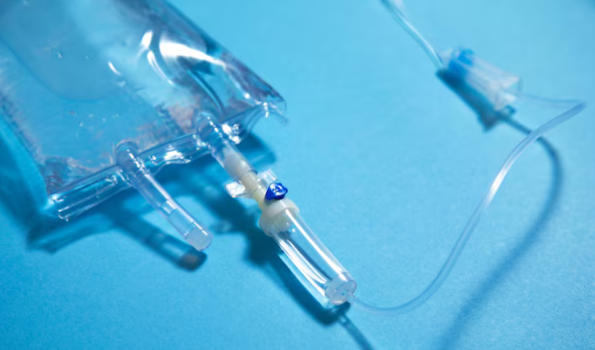
A standard saline Infusion Bag used in continuous infusion should be replaced every 24 hours to prevent contamination and ensure the stability of the fluid.
2. Can a partially used Infusion Bag be reused for another patient?
No, once an Infusion Bag has been connected to an IV line, it must never be reused or transferred to another patient due to high cross-contamination risks.
3. What happens if an Infusion Bag is used beyond its recommended time?
Extended use may result in bacterial contamination, drug degradation, or inaccurate dosing, leading to potential harm or infection.
4. Does the type of IV fluid affect how often the bag should be changed?
Yes. Medicated or nutrient-rich solutions degrade faster than non-medicated saline; thus, their Infusion Bags often require more frequent replacement.
5. How can Everheal's equipment improve Infusion Bag safety?
Everheal's systems ensure ultrapure water, controlled sterilization, and automated filling processes that maintain infusion fluid integrity throughout production and use.


