Content Menu
● Understanding the Role of Water in CPAP Machines
● How Much Distilled Water Does a CPAP Machine Use?
>> 1. Humidity Level Settings
>> 2. Ambient Temperature and Humidity
>> 3. Machine Model and Tank Size
>> 4. Usage Duration
>> 5. Breathing Patterns
● Estimating Your Daily Distilled Water Needs
● Why Distilled Water Is Essential for CPAP Machines
>> What Happens If You Use Tap Water?
● How Distillation Water Machines Produce Pure CPAP Water
>> Key Stages in Water Distillation
● The Advantage of Having a Personal Distillation Water Machine
>> Major Benefits Include:
● Proper Maintenance of CPAP Humidifiers
>> Recommended Cleaning Routine
● How to Store and Handle Distilled Water
● Integrating Distillation Water Machines into Medical Facilities
>> Typical Applications in Healthcare:
● Environmental Impact and Sustainability
● Conclusion
● FAQ
>> (1) How much distilled water does a CPAP machine use per night?
>> (2) Can I use bottled or filtered water instead of distilled water?
>> (3) What happens if my CPAP runs out of water overnight?
>> (4) How can I make distilled water at home?
>> (5) How often should I clean the CPAP water chamber?
CPAP (Continuous Positive Airway Pressure) machines play a crucial role in supporting patients with sleep apnea by maintaining a constant stream of pressurized air through a mask. This process prevents airway obstruction and ensures restful sleep. However, many users often overlook an essential element of CPAP maintenance — the type and amount of water used in the humidifier chamber.
Using distilled water helps prevent mineral buildup and keeps the machine functioning efficiently. But how much distilled water does a CPAP machine actually need daily? Let's explore that in detail, and along the way, understand how Distillation Water Machines contribute to producing the pure water CPAP devices rely on.
Understanding the Role of Water in CPAP Machines
A CPAP machine's humidifier adds moisture to the pressurized air to prevent dryness in the nasal passages and throat. Without enough moisture, users may experience irritation or congestion.
The humidifier chamber, filled with distilled water, heats up during use to produce a fine mist of moisture. This mist blends with the air being pumped through the mask, ensuring a comfortable breathing experience.
Here's why distilled water is the gold standard for CPAP machines:
- Purity – Distilled water contains no minerals, bacteria, or other impurities.
- Preventing scaling – Hard tap water leaves mineral deposits that can damage internal components.
- Machine longevity – Regular use of pure distilled water prevents corrosion and preserves performance.
- Health protection – Avoiding impure or contaminated water reduces respiratory risks.
How Much Distilled Water Does a CPAP Machine Use?
The volume of distilled water a CPAP machine requires depends on several factors. Typically, a full night's sleep (around eight hours) consumes 300 to 600 milliliters (ml) of distilled water. However, individual usage can vary based on the following factors:
1. Humidity Level Settings
Higher humidity settings increase water consumption. Users in dry climates or with nasal dryness may set their machines above medium humidity, leading to faster water depletion.
2. Ambient Temperature and Humidity
In drier or warmer conditions, the CPAP machine's humidifier must produce more moisture to achieve comfort, consuming more distilled water.
3. Machine Model and Tank Size
Different CPAP brands and models come with varying humidifier chamber capacities. Compact travel devices generally hold 200–300 ml, while standard models support up to 600 ml or more.
4. Usage Duration
The longer the CPAP runs, the more water is used. Users who keep their machine on for 9–10 hours will naturally consume more distilled water than those sleeping shorter durations.
5. Breathing Patterns
Mouth breathers or those with higher air pressure settings may experience more water loss due to the increased flow rate.
Estimating Your Daily Distilled Water Needs
To make CPAP maintenance easier, here's a simple breakdown of daily distilled water needs:
| CPAP Usage Duration | Humidity Level | Estimated Water Use (ml) |
| 4–5 hours | Low | 200–300 ml |
| 6–8 hours | Medium | 300–500 ml |
| 9+ hours | High | 500–700 ml |
In practical terms, most CPAP users will consume about 1 liter of distilled water every 2–3 nights. It's advisable to have a supply of at least 3–4 liters per week to ensure consistency in therapy.
Why Distilled Water Is Essential for CPAP Machines
Using distilled water isn't just a matter of convenience; it's a matter of health and machine integrity. Unlike filtered or bottled water, distilled water undergoes purification through distillation, a process that removes virtually all minerals, salts, and organic impurities.
What Happens If You Use Tap Water?
Tap water often contains calcium, magnesium, fluoride, and chloride. Over time, these minerals crystallize inside the CPAP humidifier, creating scale buildup and potentially damaging delicate sensors.
Additionally, tap water may harbor microbial contaminants. When heated in the humidifier, these can become airborne and enter the user's airway — posing a potential health hazard.
How Distillation Water Machines Produce Pure CPAP Water
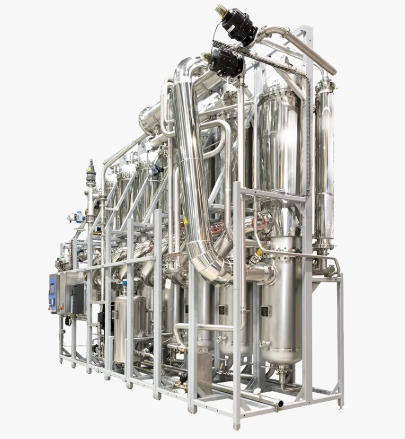
At Everheal, we understand the importance of consistent water purity in medical settings. Our advanced Distillation Water Machines are designed to supply pure distilled water for pharmaceutical applications, laboratory environments, and medical devices such as CPAP machines.
Key Stages in Water Distillation
1. Boiling and Vaporization
The water is heated until it becomes steam, separating pure water vapor from non-volatile contaminants and minerals.
2. Condensation
The steam passes through a condenser, where it cools back into liquid form — now free from impurities.
3. Collection and Storage
The distilled water is collected and stored in sanitary tanks, ready for packaging or direct use.
Everheal's Distillation Water Machines incorporate precise temperature regulation, corrosion-resistant materials, and high-efficiency condensers to deliver unmatched water quality compliant with international pharmacopeia standards (such as USP and EP).
The Advantage of Having a Personal Distillation Water Machine
While many CPAP users buy bottled distilled water, owning a Distillation Water Machine can be a cost-effective and sustainable alternative, especially for long-term users or healthcare facilities.
Major Benefits Include:
- Continuous Supply: Generate distilled water on-demand at home or in clinics.
- Cost Efficiency: Significant savings over purchasing bottled water weekly.
- Eco-Friendliness: Reduces plastic waste from disposable bottles.
- Multi-purpose Use: Apart from CPAPs, distilled water can serve for autoclaves, humidifiers, steam irons, or lab equipment.
Everheal's compact models are particularly suited for small-scale users, combining portability, efficiency, and hygienic design.
Proper Maintenance of CPAP Humidifiers
Even when using distilled water, the humidifier chamber should be cleaned regularly to prevent bacterial growth.
Recommended Cleaning Routine
1. Daily: Empty the chamber after use and rinse with mild soap.
2. Weekly: Soak the chamber in a solution of vinegar and water to disinfect.
3. Monthly: Check for cracks or discoloration and replace if necessary.
Never reuse leftover water from the previous night. Always start each use with fresh distilled water to maintain optimal air quality and safety.
How to Store and Handle Distilled Water
Storing your distilled water properly ensures it remains sterile and uncontaminated. Follow these best practices:
- Keep distilled water in sealed, food-grade containers.
- Store in a cool, shaded area, away from sunlight.
- Avoid direct contact with tap water or external contaminants.
- Label containers clearly for medical or CPAP use.
For clinical or pharmaceutical applications, Everheal also offers fully integrated pure water storage and distribution systems, ensuring compliance with Good Manufacturing Practice (GMP) guidelines.
Integrating Distillation Water Machines into Medical Facilities
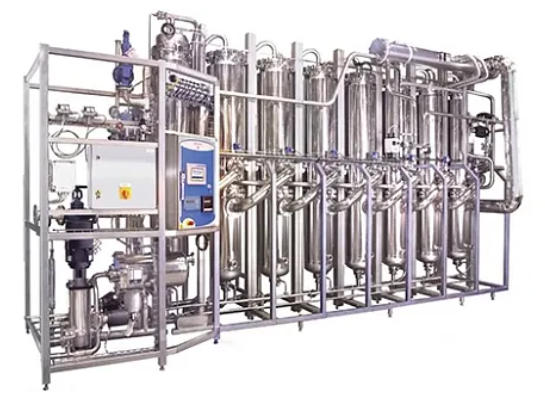
In professional environments such as hospitals or sleep clinics, large-scale Distillation Water Machines supply high volumes of purified water daily. Everheal's multi-effect distillers and pure steam generators can seamlessly connect with sterilizers, filling systems, or storage tanks to form a complete water preparation system.
Typical Applications in Healthcare:
- CPAP machine water supply
- Autoclave sterilization
- Injection water preparation
- Laboratory reagent dilution
- Cleaning and rinsing of medical instruments
By integrating water purification systems into facility layouts, Everheal helps global clients develop efficient, GMP-compliant production lines with robust quality assurance.
Environmental Impact and Sustainability
Distilled water production, when properly managed, can also contribute to environmental sustainability. Modern Distillation Water Machines by Everheal utilize energy recovery condensers and automated controls, minimizing electricity and water consumption. With stainless steel construction, they offer long service life and reduced maintenance waste — aligning with eco-friendly manufacturing principles in the medical equipment industry.
Conclusion
A CPAP machine's efficiency and your comfort depend heavily on the quality and quantity of distilled water used. On average, most machines consume 300–600 ml of distilled water per night, depending on humidity settings and usage duration. Using pure distilled water safeguards both your health and equipment, ensuring reliable performance and longevity.
For users or institutions seeking consistent access to pure water, investing in a reliable Distillation Water Machine from Everheal is both practical and sustainable. Whether you're an individual CPAP user or a global healthcare provider, clean water remains the foundation of safe, effective respiratory care.
FAQ
(1) How much distilled water does a CPAP machine use per night?
Most CPAP machines use between 300 ml and 600 ml of distilled water per night, depending on humidity settings, ambient conditions, and usage hours.
(2) Can I use bottled or filtered water instead of distilled water?
No. Bottled and filtered water often contain minerals and additives that may cause buildup in the humidifier, reducing the machine's lifespan. Always use distilled water for CPAP devices.
(3) What happens if my CPAP runs out of water overnight?
If the water chamber runs dry, the machine will continue to blow air, but without humidity. This can cause throat or nasal dryness but usually doesn't harm the device. Refill before next use.
(4) How can I make distilled water at home?
You can create distilled water by boiling water and collecting the condensed steam, or by using a Distillation Water Machine designed for home use for consistent purity and convenience.
(5) How often should I clean the CPAP water chamber?
Clean daily with mild soap, disinfect weekly with vinegar, and replace monthly or when signs of wear appear. Always start with fresh distilled water each night.


