Content Menu
● Understanding the Purpose of Platelet Transfusions
● What Is a Platelet Infusion Bag?
● Required Time to Infuse a Bag of Platelets
● Why Infusion Time Matters
● Equipment and Systems Supporting Platelet Infusion
>> Key Systems Include:
● Factors Affecting Platelet Infusion Duration
● Storage and Handling of Platelet Infusion Bags
● Safety Protocols During Platelet Infusion
● The Role of Automation and Innovation
● Ensuring Quality in Infusion Bag Manufacturing
● Conclusion
● FAQ
>> 1. How long can platelets be stored in an infusion bag?
>> 2. What happens if a platelet infusion is given too fast?
>> 3. Why are infusion bags used instead of glass bottles?
>> 4. Can platelet infusion bags be reused?
>> 5. What quality standards regulate infusion bag production?
The infusion of platelets is one of the most critical and time-sensitive procedures in the field of transfusion medicine. Understanding how long to infuse a bag of platelets, the equipment used, and the correct procedures ensures patient safety, treatment efficacy, and compliance with medical standards.
For pharmaceutical facilities and healthcare manufacturers, optimizing infusion bag design, sterilization, and handling systems plays a vital role in ensuring the highest standards of product quality and clinical reliability.
Understanding the Purpose of Platelet Transfusions
Platelets are small, disc-shaped blood cells essential for clot formation and the prevention of excessive bleeding. In medical practice, platelet transfusions are used to treat thrombocytopenia (low platelet count), bleeding disorders, and complications following chemotherapy or surgery.
Each infusion bag containing platelets holds life-saving material that must be handled and administered correctly. Any deviation in infusion time or storage standards can lead to decreased platelet viability or patient risk.
What Is a Platelet Infusion Bag?
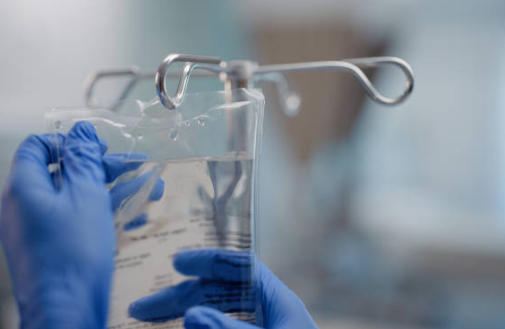
An Infusion Bag for platelets is a sterile, flexible plastic container used to store and transfuse platelets collected from donors. These bags are typically made from medical-grade PVC or biocompatible polymers designed to maintain platelet function and minimize contamination risks.
At Everheal, our portfolio of Infusion Bags and pharmaceutical equipment—such as pure steam generators, sterilization systems, and filling-sealing machines—ensures the safe preparation and delivery of these delicate biological products.
An infusion bag used in platelet transfusion must meet the following standards:
- Sterile manufacturing environment using purified water and controlled air systems.
- Temperature stability maintained between 20°C–24°C during storage.
- Gas permeability that enables oxygen and carbon dioxide exchange.
- Compatibility with infusion systems and platelet agitators.
Required Time to Infuse a Bag of Platelets
In most clinical settings, the infusion of one bag of platelets takes approximately 30 minutes to one hour. However, the exact duration depends on several factors, including:
- The volume of the platelet unit (commonly 200–300 mL).
- The patient's condition, cardiac status, and tolerance level.
- The infusion flow rate, which is carefully controlled using an infusion bag system and medical pump.
- Hospital or national transfusion protocols.
If an adverse reaction occurs during transfusion—such as fever, chills, or allergic symptoms—the infusion must be stopped immediately, and appropriate medical evaluation is required.
For adults, the standard infusion rate is usually 5–10 mL per minute, while for pediatric patients, it may be adjusted to smaller increments (5–15 mL/kg/hour).
Maintaining the optimal infusion speed ensures the platelet bag's contents remain functionally stable throughout the process.
Why Infusion Time Matters
The infusion duration has a direct effect on the quality and survival of the transfused platelets. Infusing too quickly can lead to cardiovascular overload, while prolonged infusion increases the risk of bacterial contamination or platelet degradation.
Proper Infusion Bag design and modern semi-automated infusion systems address these challenges by:
- Accurately regulating flow.
- Ensuring sterile transfer.
- Minimizing air contamination.
- Supporting traceable batch documentation.
At the pharmaceutical manufacturing level, companies like Everheal ensure that Infusion Bags and the associated transfer systems comply with GMP, ISO, and pharmacopeia standards, guaranteeing reliability across hospital networks worldwide.
Equipment and Systems Supporting Platelet Infusion
The process of platelet transfusion is not limited to the clinical act of transfusion itself—it begins much earlier, during the manufacturing and quality control of each infusion component.
Everheal's advanced product range is engineered to meet the strict hygienic and operational requirements for infusion preparations:
Key Systems Include:
- Pure Water Preparation Systems: Provide purified water for cleaning, sterilizing, and solution preparation.
- Pure Steam Generators: Deliver steam sterilization for Infusion Bags, pipelines, and filling ports.
- Multi-effect Distillation Units: Ensure the production of sterile water for injection (WFI), essential for infusion solutions.
- Liquid Filling and Sealing Machines: Guarantee aseptic packaging of platelet storage solutions and IV fluids.
- Sterilization Systems: Maintain complete microbial control across all manufacturing processes.
Together, these technologies form a robust foundation for producing reliable, medical-grade Infusion Bags used in platelet therapy and beyond.
Factors Affecting Platelet Infusion Duration
Several operational and biological variables can influence how long it takes to infuse a bag of platelets safely:
1. Patient's Clinical Condition: Patients with heart failure or other circulatory issues require slower infusion rates.
2. Platelet Volume per Bag: Some bags contain pooled platelets from multiple donors, which may increase volume and require extended time.
3. Infusion Method: Gravity flow vs. pump-assisted infusion can significantly alter timing.
4. Bag Temperature: Platelets must be transfused at room temperature; if too cold, infusion rates slow, and platelet function can be compromised.
5. Line Resistance and Filter Use: Each added filter increases back-pressure and may modify flow rate.
These variables underscore why infusion time must be carefully monitored for each individual case, following hospital transfusion policies.
Storage and Handling of Platelet Infusion Bags
The Infusion Bag itself plays an essential role in preserving platelet quality. Platelets require specific conditions for storage and agitation:
- Temperature: Maintain between 20°C and 24°C (room temperature).
- Agitation: Continuous gentle movement keeps platelets oxygenated.
- Shelf Life: Typically 5–7 days post-donation, depending on additive solutions used.
- Light Protection: Avoid direct exposure to light to prevent degradation of platelets and storage solution components.
Properly designed Infusion Bags must allow gas exchange, ensure leak-proof sealing, and maintain sterility under these conditions.
In production, manufacturers like Everheal verify that each Infusion Bag undergoes rigorous leak testing, compatibility validation, and sterilization cycles to meet all regulatory expectations.
Safety Protocols During Platelet Infusion
During transfusion, medical professionals adhere to a strict series of safety checks:
1. Patient Identification: Verify the right patient, blood group, and cross-match result.
2. Inspection of the Infusion Bag: Check for signs of leakage, discoloration, or clots.
3. Temperature Control: Ensure the bag has not been refrigerated.
4. Aseptic Technique: Use sterile gloves, infusion lines, and connectors.
5. Monitoring During Infusion: Observe for reactions every 15 minutes.
An Infusion Bag must not remain connected after completion. If the transfusion is incomplete or needs to pause, unused components must be discarded following hospital infection-control procedures.
The Role of Automation and Innovation
Modern automation has revolutionized platelet infusion and transfusion management. Infusion Bags, when integrated with intelligent control systems, now provide improved monitoring, data recording, and reduced manual error.
Everheal's systems for liquid filling and sealing, combined with CIP/SIP sterilization processes, support the pharmaceutical and hospital supply chain with consistent product integrity.
Automation benefits include:
- Real-time control of infusion parameters.
- Enhanced traceability with digital data recording.
- Extended shelf stability due to improved sterilization.
- Greater patient safety through standardized flow control.
Ensuring Quality in Infusion Bag Manufacturing
Every Infusion Bag used in medical transfusion applications must meet strict international guidelines such as:
- ISO 13485 (Medical Device Quality System)
- GMP (Good Manufacturing Practice)
- FDA 21 CFR Part 820 (Quality System Regulation)
At each step—from purified water generation to final sealing—Everheal applies advanced process validation and testing protocols.
Critical stages include:
- Material selection and biocompatibility testing.
- Sterile assembly in controlled cleanrooms.
- Pressure and burst testing of the filled Infusion Bag.
- Gamma irradiation or pure steam sterilization.
These processes ensure every Infusion Bag meets global standards with consistent reliability for platelet transfusions.
Conclusion
Understanding how long to infuse a bag of platelets is essential not only for clinicians but also for the entire supply chain behind transfusion technology.
The infusion typically takes 30–60 minutes, but this duration must be adjusted to patient-specific needs, equipment type, and procedural standards. Safe transfusion depends on quality-manufactured Infusion Bags, sterile systems, and trained professionals.
Companies like Everheal continue to advance pharmaceutical technology—supporting hospitals worldwide with reliable solutions for purified water, sterile manufacturing, and infusion systems that safeguard every step of medical treatment.

FAQ
1. How long can platelets be stored in an infusion bag?
Platelets can typically be stored for 5–7 days at 20–24°C with constant agitation, ensuring gas exchange and preventing bacterial growth.
2. What happens if a platelet infusion is given too fast?
Rapid infusion may cause circulatory overload, increasing the risk of cardiac complications. It's crucial to control the infusion rate according to patient tolerance.
3. Why are infusion bags used instead of glass bottles?
Infusion Bags are lightweight, flexible, and safer—reducing breakage risk and allowing gas permeability necessary for platelet viability.
4. Can platelet infusion bags be reused?
No, Infusion Bags are single-use medical devices. Reusing them violates sterility standards and poses infection risks.
5. What quality standards regulate infusion bag production?
All Infusion Bags must comply with ISO, GMP, and FDA requirements to ensure sterility, material safety, and performance reliability.


