


Views: 222 Author: Rebecca Publish Time: 2025-11-30 Origin: Site


Content Menu
● Key Characteristics Of Pharmaceutical Paste
● Overview Of The Pharmaceutical Preparation System For Paste
● Main Types Of Pharmaceutical Pastes
>> Oleaginous And Hydrophilic Pastes
>> Topical, Oral, And Dental Pastes
● Step 1: Raw Material Handling And Weighing
● Step 2: Water (Aqueous) Phase Preparation
● Step 3: Oil/Wax Phase Preparation
● Step 4: Fusion, Dispersion, And Paste Formation
>> Trituration And Fusion Methods
>> Levigation And Geometric Dilution
>> Integrated Mixing In The Main Manufacturing Vessel
● Step 5: Homogenization And Deaeration
● Step 6: Cooling, Viscosity Control, And In‑Line Quality Checks
● Step 7: Transfer To Storage And Holding Tanks
● Step 8: Automatic Filling, Sealing, And Coding
● Role Of Purified Water And Pure Steam
● Cleaning, Sterilization, And CIP/SIP
● Automation, Control, And Data Integrity
● Formulation Considerations In Paste Preparation
>> Selection Of Powders And Excipients
>> Controlling Rheology And Spreadability
● Quality Assurance, Validation, And Regulatory Compliance
● Everheal Turnkey Pharmaceutical Preparation System Solutions
● Practical Tips For Optimizing Pharmaceutical Paste Preparation
● FAQ About Pharmaceutical Paste Preparation
>> 1. What is a Pharmaceutical Preparation System for paste?
>> 2. Which key steps are involved in preparing pharmaceutical paste?
>> 3. Why are purified water and pure steam important in paste systems?
>> 4. How does high-shear homogenization improve pharmaceutical paste?
>> 5. What advantages does an Everheal turnkey paste line offer?
Pharmaceutical paste is a semi-solid dosage form that contains a high proportion of finely powdered active and inert ingredients dispersed in a suitable base for topical, oral, or dental use. Compared with creams and ointments, pharmaceutical paste is thicker, less greasy, and designed to stay in place on the skin, mucosa, or teeth for a longer time, delivering a local therapeutic effect. In modern manufacturing, a well-designed Pharmaceutical Preparation System ensures that pharmaceutical paste is prepared under strict GMP conditions, with precise control of mixing, heating, homogenization, and cleaning.[10][11][12]
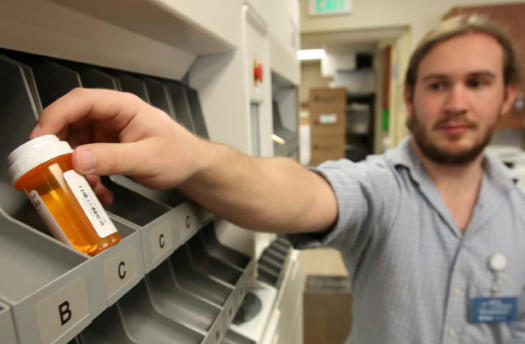
Pharmaceutical paste typically contains a high ratio of solid powders such as zinc oxide, starch, kaolin, or titanium dioxide dispersed in an oleaginous or emulsified base, making it stiff, opaque, and highly adsorptive. Because of this high solids content, a Pharmaceutical Preparation System for paste must provide strong mixing power and high-shear capability to prevent grittiness, ensure homogeneity, and maintain uniform drug distribution throughout the batch.[11][13][10]
A typical Pharmaceutical Preparation System for paste includes several main units: a water phase vessel, an oil/wax phase vessel, a central paste manufacturing vessel with high-shear homogenizer, transfer pumps, storage tanks, and an automatic filling and sealing machine. In a complete Everheal turnkey solution, this Pharmaceutical Preparation System is integrated with purified water generation, pure steam supply, CIP/SIP cleaning loops, and sterilization systems to guarantee consistent quality and regulatory compliance for pharmaceutical paste production.[12][13][14][15][11]
Oleaginous pastes use petrolatum, paraffin, or other oily bases to hold high loads of powders and form occlusive, water-repellent films on the skin, suitable for protective or adsorptive dermatological treatments. Hydrophilic pastes use water-miscible bases such as polyethylene glycol or hydrogels and may be prepared in a Pharmaceutical Preparation System that emphasizes accurate water-phase control, agitation, and cooling to maintain viscosity and stability.[9][16][10][12]
Topical skin pastes are designed to treat conditions like eczema, diaper rash, or inflammatory lesions, and require a Pharmaceutical Preparation System capable of handling sensitive ingredients such as corticosteroids, antifungals, or antiseptics. Oral and dental pastes, including toothpastes and medicated oral gels, demand additional flavoring, sweeteners, and abrasives, and the Pharmaceutical Preparation System must avoid cross-contamination while providing high shear and vacuum to remove entrapped air.[13][17][10]
Pharmaceutical paste preparation begins with raw materials such as active pharmaceutical ingredients (APIs), excipient powders, waxes, emulsifiers, and liquid bases being dispensed according to a validated master batch record in a controlled dispensing area. A modern Pharmaceutical Preparation System supports this step with integrated weighing stations, barcode or RFID verification, and sealed transfer systems that reduce dust, protect operators, and prevent mix‑ups.[17][18][19][11]
In many paste formulations, an aqueous phase is prepared first by dissolving water-soluble components (such as preservatives, buffers, humectants, or stabilizers) in demineralized or purified water in a dedicated water phase vessel. A Pharmaceutical Preparation System typically uses purified water (PW) or water for injection (WFI) fed from a purified water preparation system with controlled temperature, circulation, and microbial levels to ensure the water phase meets pharmacopeial standards.[14][15][12][13]
For pastes with oleaginous bases, waxes, oils, and oil-soluble ingredients are heated and melted in an oil or wax phase vessel equipped with agitation and a jacket for heating, normally kept around 70–85 °C depending on the formulation. In a robust Pharmaceutical Preparation System, this oil phase vessel uses indirect steam heating, precise temperature control, and automated safety interlocks to prevent overheating, oxidation, or degradation of sensitive oils and emulsifiers.[20][11][12][14]
At laboratory or extemporaneous scale, pharmaceutical paste may be prepared by trituration, where powders are finely ground with a small amount of base, or by fusion, where semi-solid components are melted and then combined with powders during cooling. In industrial production, these same principles are implemented at scale inside a Pharmaceutical Preparation System that combines fusion (melting phases), dispersion (wetting and distributing powders), and controlled cooling to achieve the correct paste consistency and structure.[1][3][21][12][13]
For many formulations, powders are first passed through appropriate sieves, then levigated with a portion of the base or a wetting agent to form a smooth, lump-free concentrate that can be more easily dispersed into the bulk. Geometric dilution techniques help ensure that even low-dose APIs are distributed uniformly within this pre-mix before being incorporated into the main Pharmaceutical Preparation System vessel, reducing the risk of hot spots and content variability.[3][5][1][9]
Once the water and oil phases are ready, they are transferred—often by vacuum—to the main paste manufacturing vessel, where they are mixed and emulsified with the powders under heat using a combination of anchor agitators and high-shear homogenizers. A modern Pharmaceutical Preparation System provides multiple operation modes (low-shear mixing, high-shear homogenization, recirculation, and vacuum deaeration) so that viscous pharmaceutical paste can be processed to uniform droplet and particle size without dead zones.[11][13][14]
High-shear homogenization is crucial for pharmaceutical paste because it breaks down agglomerates of powders and evenly distributes solids, preventing grittiness and ensuring smooth texture and consistent drug content. In a well‑engineered Pharmaceutical Preparation System, homogenizers can operate in different modes to provide intense shear for initial dispersion and gentler mixing later, while vacuum systems simultaneously remove entrapped air to avoid voids and improve product stability and appearance.[5][7][19][13][11]
After homogenization, the pharmaceutical paste is gradually cooled under controlled conditions so that waxes, oils, and structuring agents solidify correctly and the final viscosity meets the target specification. An advanced Pharmaceutical Preparation System uses jacketed vessels, indirect cooling water, and temperature feedback control to manage the cooling profile, and may integrate in‑line sensors or sampling ports for routine quality checks such as appearance, pH, viscosity, and, where relevant, specific gravity or conductivity.[7][5][12][14][20][11]
Once the batch passes initial quality checks, the paste is transferred to a storage or holding vessel, often through a colloid mill or other device that further reduces particle size and improves homogeneity. In a complete Pharmaceutical Preparation System, these storage vessels are jacketed, mobile or skid‑mounted, and connected via sanitary piping to downstream filling machines, with optional gentle agitation to prevent separation or sedimentation during holding.[12][13][14][11]
Pharmaceutical paste is typically filled into aluminum tubes, laminated tubes, plastic tubes, or jars using automatic filling machines equipped with piston or metering pumps that deliver accurate doses by volume or weight. Within a Pharmaceutical Preparation System, the filling line may include tube loading, air blowing, product dosing, crimping or sealing, coding, and automatic rejection of underfilled or defective units, ensuring that each package meets regulatory standards for content uniformity and integrity.[7][13][14]
A critical part of any Pharmaceutical Preparation System is the water and steam utility infrastructure, because most paste formulations require high-quality purified water and reliable pure steam for heating and sterilization. Purified water preparation systems provide PW or WFI that meets pharmacopeial limits for conductivity, total organic carbon, and microbial counts, while pure steam generators supply clean steam for vessel jackets, sterilization, and SIP, preventing contamination from boiler additives.[15][12]
Because pharmaceutical paste is viscous and rich in solids, production vessels, transfer lines, and filling machines must be cleaned thoroughly between batches to avoid cross-contamination and microbiological growth. A modern Pharmaceutical Preparation System often includes automated Clean‑in‑Place (CIP) and Sterilize‑in‑Place (SIP) capabilities that circulate cleaning solutions and pure steam through equipment, with validated parameters for flow, pressure, temperature, and contact time to meet GMP expectations.[15][11][12]
Industrial Pharmaceutical Preparation Systems use PLC or DCS-based automation platforms with user-friendly HMI screens that allow operators to select recipes, monitor real-time parameters, and control mixing, heating, vacuum, and filling operations from a central panel. Batch records, alarm logs, and electronic signatures are typically managed through compliant control systems, supporting 21 CFR Part 11 and data integrity requirements, which is essential for regulatory inspections in global pharmaceutical markets.[17][11][15]
From a formulation perspective, choosing the right base (oleaginous, absorption, water-removable, or water-soluble) and matching it with a suitable solids load is essential to achieve the desired occlusiveness, adhesiveness, and release profile. The Pharmaceutical Preparation System must be specified to handle the rheological properties of the chosen formulation, including very high yield stress and thixotropic behavior, without overloading drives or compromising mixing efficiency.[19][3][10][11]
In pastes, powders like zinc oxide, starch, kaolin, calcium carbonate, and various clays are selected for their protective, adsorptive, abrasive, or bulking roles, and are milled to defined particle-size distributions to avoid grittiness. Additional excipients in the Pharmaceutical Preparation System—such as humectants, gelling agents, rheology modifiers, preservatives, and antioxidants—are carefully balanced to maintain stability, prevent microbial growth, and support patient acceptability over the product’s shelf life.[8][3][10]
Rheology is vital for pharmaceutical paste because it affects spreadability, retention at the application site, and product extrusion from tubes or syringes, which in turn influence patient experience and dosing accuracy. Through appropriate selection of thickeners and structuring agents, and by tuning process variables such as shear rate, mixing time, and cooling profile inside the Pharmaceutical Preparation System, manufacturers can design pastes that are firm in the package yet soften under shear during application.[3][5][8][10][11]
The preparation of pharmaceutical paste must follow Good Manufacturing Practice guidelines, with documented procedures for equipment qualification, cleaning validation, process validation, and ongoing quality control tests such as assay, content uniformity, microbiological limits, and stability. A fully engineered Pharmaceutical Preparation System makes it easier to demonstrate regulatory compliance because equipment is built according to GEP, materials and welds are traceable, and all critical parameters can be monitored, controlled, and recorded in accordance with international standards.[18][11][15][17]
Everheal, as a specialized Chinese manufacturer of pharmaceutical equipment, can integrate purified water systems, pure steam generators, multi‑function distillation water machines, liquid filling–sealing machines, and sterilization systems into complete paste production lines tailored to each client’s plant layout and product portfolio. By designing project-specific Pharmaceutical Preparation Systems, Everheal helps global customers optimize production capacity, reduce manual handling, and achieve consistent paste quality from formulation to final packaging under a single engineering and validation framework. These turnkey Pharmaceutical Preparation System solutions shorten project timelines, support regulatory approvals in multiple regions, and provide a scalable foundation for future product expansion.[15]
Manufacturers can improve paste quality by carefully selecting powder particle size, using appropriate wetting agents, and ensuring a gradual addition of powders to the molten or semi-solid base under sufficient shear, minimizing lumps and improving spreadability. Optimizing the Pharmaceutical Preparation System—such as adjusting homogenizer speed, residence time, cooling rate, and vacuum level—helps control texture, reduce air entrapment, and maintain batch‑to‑batch consistency, which ultimately enhances product performance and patient satisfaction.[1][5][13][19][7][11]
Pharmaceutical paste is a stiff, semi-solid dosage form that relies on high powder loading, controlled bases, and precise processing to deliver local therapeutic effects for skin, oral, and dental applications. Industrial production of these pastes depends on a carefully engineered Pharmaceutical Preparation System that integrates purified water and pure steam utilities, water and oil phase vessels, high-shear mixing, vacuum deaeration, CIP/SIP cleaning, and automated filling to ensure safety, efficacy, and regulatory compliance at global GMP standards. By partnering with experienced equipment providers such as Everheal, pharmaceutical manufacturers can build tailored Pharmaceutical Preparation Systems that streamline paste preparation from raw materials to finished packaging, delivering consistent quality, high productivity, and competitive advantages in international markets.[10][14][1][3][11][15]
A Pharmaceutical Preparation System for paste is an integrated set of equipment—including water and oil phase vessels, main mixing and homogenizing vessels, transfer lines, storage tanks, and filling machines—designed to manufacture pharmaceutical pastes under controlled, validated conditions. It also includes supporting utilities such as purified water systems, pure steam generators, and CIP/SIP units, along with automation and data recording, to meet GMP and regulatory expectations.[14][11][12][15]
The main steps are raw material weighing, water phase preparation, oil/wax phase preparation, fusion and dispersion of powders, high-shear homogenization and deaeration, controlled cooling and viscosity adjustment, transfer to storage, and automatic filling and sealing. Each step is executed inside a Pharmaceutical Preparation System with defined parameters for temperature, agitation, shear rate, and vacuum to guarantee consistent quality and homogeneity of the paste.[13][1][3][11][12][14]
Purified water or WFI is required for the aqueous phase of many pastes, and using a validated purified water preparation system ensures low microbial load, low conductivity, and compliance with pharmacopeial standards. Pure steam is used for indirect heating, sterilizing equipment, and performing SIP cycles in the Pharmaceutical Preparation System, avoiding contamination from boiler additives and supporting high hygienic standards.[11][12][15]
High-shear homogenization breaks down particle agglomerates and distributes powders and droplets evenly, resulting in a smoother texture and better content uniformity across the batch. Within a Pharmaceutical Preparation System, adjustable homogenizer modes and recirculation allow manufacturers to tune shear intensity and processing time to control paste viscosity and prevent defects such as grittiness, air bubbles, or phase separation.[5][19][7][13][11]
An Everheal turnkey paste line combines purified water systems, pure steam generators, multifunction distillation units, paste manufacturing vessels, and liquid filling–sealing machines into one coordinated Pharmaceutical Preparation System tailored to the customer’s space and product needs. This integrated approach simplifies project implementation, improves production efficiency, and helps global pharmaceutical companies achieve reliable, compliant, and scalable paste preparation and packaging for diverse product portfolios.[15]
[1](https://www.pharmaguideline.com/2021/10/preparation-of-ointments-pastes-creams-gels.html)
[2](https://www.ipsf.org/article/compounding-ointments-and-pastes-march2019)
[3](http://ijrpns.com/article/FORMULATION%20AND%20CHARACTERISATION%20OF%20PASTES.pdf)
[4](https://www.youtube.com/watch?v=-qQeKGilgis)
[5](https://pharmanow.live/editors-choice/ointment-cream-manufacturing-guide)
[6](https://www.youtube.com/watch?v=7F-hjLuBZE8)
[7](https://www.lienm.com/blogs/how-is-toothpaste-made/)
[8](https://patents.google.com/patent/US20210060045A1/en)
[9](https://pharmlabs.unc.edu/labexercises/compounding/ointments/)
[10](https://pubmed.ncbi.nlm.nih.gov/7873823/)
[11](https://www.symex-mixing.com/en/technology/)
[12](https://pharmectech.com/products/pharmec-liquid-preparation-system)
[13](https://www.labmachinery.com/process8.html)
[14](https://www.pharmaguideline.com/2015/01/manufacturing-procedure-of-ointment.html)
[15](https://www.bram-cor-pharmaprocessing.com)
[16](https://pharmacylibrary.com/doi/10.21019/9781582123578.ch21)
[17](https://rxce.com/WebMaterials/Compounding-Topical-and-Transdermal-Preps)
[18](https://www.scribd.com/document/906634080/Manufacture-of-Ointments-Pastes-and-Creams)
[19](https://making.com/products/pharmaceuticals/mixing)
[20](https://abfeng.in/process-of-manufacturing-creams-and-ointments/)
[21](https://www.slideshare.net/slideshow/pastes/95113873)


