Content Menu
● Why CPAP Machines Need Water
● Distilled Water vs. Other Water Types
>> Tap water
>> Purified or filtered water
>> Spring and mineral water
● Do All CPAP Machines Require Distilled Water?
>> When non‑distilled water might be used
● Risks of Using the Wrong Water
>> Mineral buildup and limescale
>> Microbial contamination
>> Chemical residues and warranty concerns
● How Distillation Water Machines Support CPAP Users
>> Key advantages for CPAP therapy
● Practical Tips for CPAP Water Management
>> Daily use
>> Cleaning and descaling
>> Storage and handling
● Distillation Water Machine in Medical and Home Settings
>> Benefits for healthcare institutions
>> Benefits for home users
● When Traveling With a CPAP Machine
● How Often Should CPAP Water Be Changed?
● When to Replace the CPAP Water Chamber
● Environmental and Cost Considerations of Distilled Water
● Conclusion
● FAQ
>> 1. Do all CPAP brands require distilled water?
>> 2. Can I use tap water in my CPAP if I boil it first?
>> 3. How does a Distillation Water Machine improve CPAP hygiene?
>> 4. What should I do if I accidentally used non‑distilled water?
>> 5. Is it worth buying my own Distillation Water Machine for home CPAP use?
● Citations:
CPAP therapy depends not only on the right pressure and mask, but also on the quality of water used in the humidifier. While not every CPAP machine will immediately fail if another type of water is used, distilled water is strongly recommended by most manufacturers as the safest, cleanest, and most efficient option for daily use.
Using a professional Distillation Water Machine to produce high‑purity water is one of the most reliable ways to protect CPAP devices, reduce maintenance, and safeguard patient health over the long term. For hospitals, sleep labs, and pharmaceutical production environments, a stable supply of distilled water is also a key part of overall quality and infection‑control strategy.
In this article, you will learn why distilled water is preferred, what happens if other water types are used, how Distillation Water Machines support CPAP therapy, and how both home users and medical facilities can manage water safely and efficiently.
Why CPAP Machines Need Water
CPAP (Continuous Positive Airway Pressure) machines deliver a continuous stream of air to keep the upper airway open during sleep, preventing apnea events. This continuous airflow can dry the nose, throat, and mouth, which is why most modern devices include a heated humidifier.
The humidifier adds moisture to the therapy air by warming water stored in a chamber, and this water then evaporates and travels through the tubing to the patient. If the water is not clean or contains minerals, contaminants can enter the airway or damage internal components of the CPAP system. Over time, poor water quality can affect both comfort and safety, as well as overall machine reliability.
Distilled Water vs. Other Water Types
Distilled water is produced by boiling water and capturing the pure steam as it condenses, effectively removing minerals, metals, and many microorganisms. Because of this high purity, it is considered the gold standard for CPAP humidifiers and other sensitive medical devices.
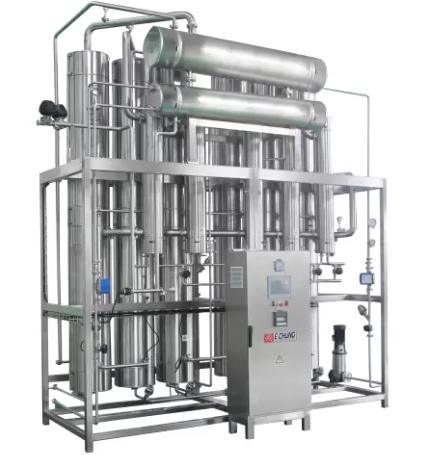
A high‑quality industrial Distillation Water Machine follows this same principle on a larger scale, using controlled single‑effect or multi‑effect distillation to achieve consistently low conductivity and low microbial counts suitable for healthcare and pharmaceutical environments. This guarantees that every batch of water used in CPAP humidifiers has predictable quality.
Tap water
- Tap water usually contains dissolved minerals like calcium and magnesium, as well as varying levels of microorganisms and chemical residues.
- In a warm CPAP chamber, these minerals form limescale deposits and white residue, reducing humidifier efficiency and potentially shortening the life of the tank and heater plate.
- Depending on the region, tap water may also carry trace amounts of heavy metals or other chemical by‑products that you do not want in a medical device that feeds directly into the airway.
Purified or filtered water
- Purified or filtered water may pass through carbon filters or reverse osmosis membranes, but it can still contain some minerals and dissolved solids.
- Experts generally agree that purified water can be used temporarily if distilled water is unavailable, but more frequent cleaning is required to prevent buildup and contamination.
- Because the purity of purified and filtered water can vary between brands and systems, it is less predictable than distilled water produced by a Distillation Water Machine or purchased in sealed containers.
Spring and mineral water
- Spring water and mineral water often have a higher mineral content than tap water, which is the opposite of what CPAP machines need.
- Using such water can rapidly coat the chamber and tubing with hard deposits, possibly voiding the manufacturer's warranty if damage occurs.
- Even if the water looks very clear and is marketed as “natural” or “healthy” for drinking, that does not mean it is suitable for a humidifier that heats and evaporates the minerals directly into medical equipment.
Do All CPAP Machines Require Distilled Water?
Most major CPAP manufacturers explicitly recommend using only distilled water in the humidifier chamber to ensure optimal performance and safety. This recommendation applies to standard CPAP, auto‑CPAP (APAP), and BiPAP/BiLevel devices that include integrated or external humidifiers.
Technically, the machine will still run if tap or purified water is used, but doing so increases the risk of scaling, microbial growth, and equipment wear. Some brands also warn that using tap or mineral water long term can cause visible damage to the chamber and internal heater, and such damage may not be covered by warranty.
In other words, not every CPAP machine will “require” distilled water in the sense that it refuses to operate, but nearly all devices “recommend” distilled water if users want to protect their investment, minimize cleaning, and reduce the risk of contamination.
When non‑distilled water might be used
There are situations where patients cannot easily obtain distilled water, such as during travel or emergencies. In these cases:
- Short‑term use of purified bottled water or filtered tap water can be acceptable if no better option is available.
- Users should clean the water chamber more frequently in these cases and switch back to distilled water as soon as possible to protect the system.
- If the chamber shows signs of residue, cloudy surfaces, or rough texture, it is important to descale and clean it before damage becomes permanent.
Risks of Using the Wrong Water
Understanding the risks helps CPAP users appreciate why investing in a reliable Distillation Water Machine or a stable distilled water supply is worthwhile. Incorrect water type does not always cause immediate problems, but the long‑term impact can be serious.
Mineral buildup and limescale
- Minerals left behind after evaporation form a hard, chalky layer along the chamber, heater plate, and sometimes inside the tubing.
- Over time, this layer can interfere with proper heating, reduce humidity output, and require earlier replacement of components, increasing total cost of ownership.
- Heavy scaling can also create tiny pockets where microorganisms can hide, making disinfection more difficult and less effective.
Microbial contamination
- Tap and spring water may contain bacteria, fungi, and other microorganisms that can survive and multiply in a warm, moist environment.
- When aerosolized through a CPAP, these microbes can be inhaled deeply into the lungs, potentially increasing infection risk, especially for vulnerable patients or those with compromised immunity.
- Standing water left in the chamber for several days without cleaning can form biofilm, a slimy layer that is very resistant to simple rinsing and requires more intensive cleaning.
Chemical residues and warranty concerns
- Some water sources contain chlorine, chloramine, heavy metals, pesticides, or organic residues that are not completely eliminated by simple filtration.
- During heating and evaporation, some of these substances can concentrate inside the chamber, creating more aggressive conditions for corrosion or material degradation.
- Manufacturers often state that failure to use distilled or demineralized water can accelerate wear and may void certain warranty terms if water‑related damage is evident.
How Distillation Water Machines Support CPAP Users
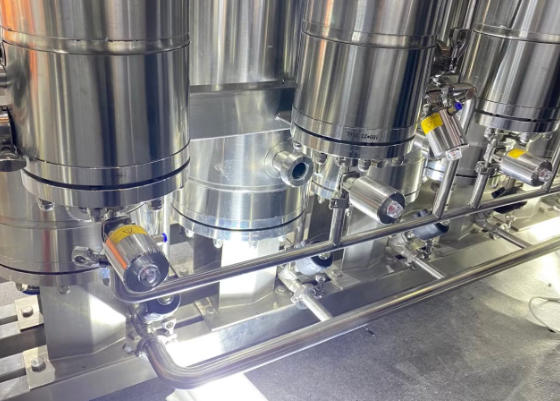
A Distillation Water Machine offers a controlled, on‑demand solution for producing high‑purity water suitable for CPAP and broader medical or pharmaceutical use. In professional environments, such as clinics or sleep centers, this can be more economical and reliable than constantly purchasing bottled distilled water.
Pharmaceutical‑grade Distillation Water Machines are designed to remove minerals, organic contaminants, endotoxins, and microorganisms, creating water that meets strict regulatory standards. For CPAP applications, such purity ensures the humidifier chamber remains clean, reduces frequency of deep cleaning, and provides consistent water quality for every patient.
Key advantages for CPAP therapy
- Consistency: The same high purity is maintained batch after batch, regardless of local tap water quality variations.
- Reliability: Large‑capacity systems can support entire departments or multiple therapy rooms, ensuring no interruption in distilled water supply.
- Integration: Distillation Water Machines can be integrated with pre‑treatment, storage tanks, and distribution loops, allowing continuous feed to various points of use such as CPAP preparation rooms, sterilizers, and washing equipment.
Practical Tips for CPAP Water Management
Good water management combines correct water choice with proper handling and cleaning routines. Whether patients rely on bottled distilled water or water from a Distillation Water Machine, these habits help protect both device and health.
Daily use
- Fill the chamber with freshly distilled water each evening instead of topping up yesterday's water to minimize contamination.
- Empty any remaining water in the morning, then allow the chamber to air dry completely to reduce biofilm formation.
- Avoid overfilling the tank above the maximum line, as this can cause water to enter the tubing and potentially reach the mask.
Cleaning and descaling
- For routine cleaning, wash the chamber with mild, non‑fragrant soap and warm water, then rinse thoroughly and air dry.
- Depending on manufacturer instructions, some chambers are also compatible with gentle dishwashing; always follow the device manual.
- If non‑distilled water has been used and limescale is visible, a mixture of equal parts white vinegar and water can dissolve mineral deposits before thorough rinsing and drying.
Storage and handling
- Store distilled water in clean, closed containers away from direct sunlight and heat to prevent re‑contamination and algae growth.
- Do not mix old and new water; instead, use fresh water each night and discard any leftover water in the morning.
- In professional environments, distribute water from the Distillation Water Machine through sanitary piping or clean bottles dedicated to medical use only, clearly labeled for distilled water.
Distillation Water Machine in Medical and Home Settings
Distillation Water Machines are widely used in hospitals, laboratories, and pharmaceutical plants where water purity is critical for processes and equipment. This same technology can be adapted to support CPAP therapy, both in clinical and, in some cases, home environments.
For large facilities, a central Distillation Water Machine can supply water to sterilizers, autoclaves, laboratory analyzers, and CPAP preparation areas simultaneously. For individual users or small clinics, compact units can produce enough distilled water each day to support humidifiers, cleaning procedures, and other small medical devices.
Benefits for healthcare institutions
- Centralized production simplifies quality control, testing, and documentation of water used in medical devices.
- Continuous operation ensures that CPAP therapy is never interrupted due to a lack of distilled water, even in periods of high patient volume.
- Integration with pure steam generators and pure water preparation systems makes it easier to build a complete, compliant water solution for pharmaceutical and clinical facilities.
Benefits for home users
- A compact Distillation Water Machine can provide a steady supply of distilled water without the need to carry heavy bottles from the store.
- Over time, producing distilled water at home can be more economical for long‑term CPAP users, especially in regions where bottled distilled water is expensive or hard to find.
- Home production also gives users more control over sanitation and storage, reducing worries about stock shortages or variable bottle quality.
When Traveling With a CPAP Machine
Travel often makes it difficult to find distilled water, especially in remote regions or countries with limited retail options. Understanding safe alternatives and planning ahead reduces anxiety and ensures continuity of therapy.
- If distilled water is not available, short‑term use of purified bottled water is an acceptable backup, provided the chamber is cleaned more often.
- Once the user returns to a place with reliable distilled water or access to a Distillation Water Machine, switching back to high‑purity water helps extend the life of the equipment.
- For frequent travelers, it can be helpful to carry a small supply of distilled water in approved containers or to research in advance which local pharmacies and supermarkets stock distilled water.
For institutions that regularly manage traveling patients or cross‑border treatment programs, centralized production via a Distillation Water Machine can provide a stable supply for preparing portable containers of distilled water. This ensures that patients can maintain consistent therapy even when they are away from home.
How Often Should CPAP Water Be Changed?
Even when only distilled water is used, CPAP water should be changed daily. Fresh water each night reduces microbial growth and keeps the chamber smelling clean. Water that sits in the chamber for several days becomes more likely to harbor microorganisms, particularly in warm environments.
For users with sensitive respiratory systems, daily replacement is especially important. Combining distilled water from a Distillation Water Machine with strict daily replacement and regular cleaning creates a robust defense against contamination and unpleasant odors.
When to Replace the CPAP Water Chamber
The water chamber, like other consumable parts of a CPAP setup, eventually wears out. Signs that the chamber should be replaced include cracks, discoloration, persistent cloudy appearance, or mineral scale that cannot be fully removed.
Most manufacturers provide a recommended replacement interval, often every 6–12 months depending on usage and water quality. Using distilled water and following correct cleaning procedures can extend the useful life of the chamber, while frequent use of tap or mineral water can shorten it significantly.
Environmental and Cost Considerations of Distilled Water
Many CPAP users also care about environmental impact and total cost. Purchasing many small plastic bottles of distilled water can generate considerable plastic waste over time. A Distillation Water Machine, especially when combined with reusable containers, allows users and institutions to reduce packaging waste substantially.
From a cost perspective, the initial investment in a Distillation Water Machine is higher than buying a few bottles of distilled water. However, for long‑term CPAP users, clinics, and sleep labs, the cost per liter of distilled water usually drops significantly after the system is installed, resulting in meaningful savings over the lifespan of the equipment.
Conclusion
Not every CPAP machine will shut down if tap, purified, or spring water is used, but almost all manufacturers and sleep experts agree that distilled water is the safest and most effective long‑term choice. Distilled water minimizes mineral buildup, reduces microbial risks, and protects sensitive components inside the humidifier chamber and tubing.
For hospitals, sleep centers, and pharmaceutical plants, investing in a robust Distillation Water Machine provides a stable, high‑quality water source that fully supports CPAP therapy and other critical medical processes. For home users, reliable access to distilled water—either through local supply or a compact Distillation Water Machine—ensures consistent comfort, fewer maintenance issues, and better protection of their CPAP investment.
By combining proper water selection with disciplined cleaning, storage, and replacement practices, CPAP users can maximize therapy comfort, protect their devices, and maintain consistent treatment outcomes over many years.
FAQ
1. Do all CPAP brands require distilled water?
Most CPAP brands recommend distilled water because it prevents mineral deposits, scaling, and residue inside the humidifier chamber. While some users occasionally use tap or purified water, this practice generally increases cleaning needs and may lead to earlier component replacement. For best results and to align with manufacturer guidance, distilled water is the standard choice.
2. Can I use tap water in my CPAP if I boil it first?
Boiling tap water can kill many microorganisms, but it does not remove dissolved minerals or chemicals. These minerals still cause limescale and residue in the humidifier, and chemical by‑products can remain in the water. Even boiled tap water is not equivalent to distilled water, so it should only be used if there is absolutely no alternative and only for a short period.
3. How does a Distillation Water Machine improve CPAP hygiene?
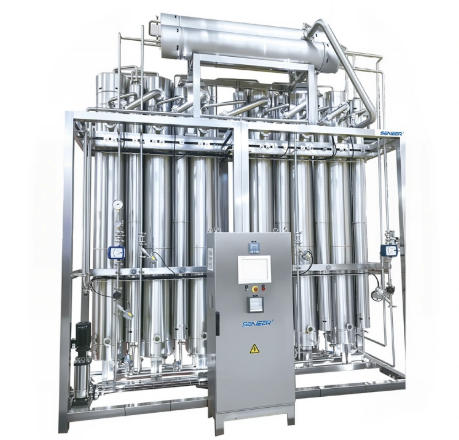
A Distillation Water Machine improves CPAP hygiene by removing minerals, metals, and microbes through controlled evaporation and condensation. The resulting water is very pure and leaves little to no residue in the chamber. This keeps the humidifier cleaner, reduces scaling, and lowers the risk of inhaling contaminants during therapy. It also simplifies maintenance routines for both home users and medical facilities.
4. What should I do if I accidentally used non‑distilled water?
If you accidentally used non‑distilled water, empty the chamber and inspect it for visible deposits or cloudiness. Clean it thoroughly with mild soap and warm water, and use a vinegar‑water solution if mineral scale is visible. Rinse the chamber well, allow it to dry completely, and then resume filling it with distilled water. Occasional accidental use is typically not catastrophic, but regular use of non‑distilled water should be avoided.
5. Is it worth buying my own Distillation Water Machine for home CPAP use?
For heavy or long‑term CPAP users, especially in regions where bottled distilled water is expensive or hard to find, a compact Distillation Water Machine can be a practical investment. It provides a steady supply of pure water, reduces reliance on retail products, and supports cleaner, more reliable CPAP therapy over time. Users who prioritize convenience, hygiene, and long‑term device protection often find that such a system offers both comfort and cost benefits.
Citations:
https://www.sleepfoundation.org/cpap/should-you-use-distilled-water-for-a-cpap-machine
https://www.sleepapnea.org/cpap/should-you-use-distilled-water-for-a-cpap-machine/
https://sleepdoctor.com/pages/cpap/why-use-distilled-water-for-cpap
https://www.cpap.com/blogs/cpap-therapy/cpap-water
https://sleepdoctor.com/cpap/why-use-distilled-water-for-cpap
https://sleeplay.com/blogs/news/cpap-water-tap-water-vs-distilled-water-which-one-to-choose
https://uscpap.com/blogs/news/tap-water-in-your-cpap-a-deadly-mistake-you-can-easily-avoid
https://www.cpapsupplyusa.com/blog/post/cpap-water-distilled-purified-tap
https://www.biron.com/en/education-center/your-questions/water-type-choice-cpap-device/
https://distillata.com/blog/what-type-of-water-to-use-for-cpap-machine


