Content Menu
● What Is A HEPA Air Filter?
● Main Types Of HEPA Air Filters
● Can You Clean A HEPA Air Filter?
● Why Many HEPA Air Filters Should Not Be Washed
● How To Check If A HEPA Air Filter Is Washable
● How To Clean A Washable HEPA Air Filter
● How To Handle Non‑Washable HEPA Air Filters
● When You Should Replace A HEPA Air Filter
● HEPA Air Filters In Pharmaceutical And Cleanroom Systems
● Extending The Life Of A HEPA Air Filter
● Safety Precautions When Handling HEPA Air Filters
● Everheal And HEPA Air Filter Management
● Conclusion
● FAQ
>> 1. Can every HEPA Air Filter be washed?
>> 2. What happens if I wash a non‑washable HEPA Air Filter?
>> 3. How often should a HEPA Air Filter be replaced?
>> 4. Can vacuuming extend the life of a HEPA Air Filter?
>> 5. How can I make my HEPA Air Filter last longer?
● Citations:
A HEPA Air Filter is a precision filtration component designed to capture very fine airborne particles and protect human health, sensitive equipment, and pharmaceutical production processes. A true HEPA Air Filter is generally defined as capturing at least 99.97% of particles with a diameter of 0.3 microns under standardized test conditions. This high efficiency makes the HEPA Air Filter essential in many environments, from home air purifiers to hospital operating rooms and GMP pharmaceutical cleanrooms.[1][8][9]
Many users ask whether they can clean a HEPA Air Filter instead of replacing it, hoping to reduce cost and waste. The correct answer depends on the type of HEPA Air Filter, the application, and the manufacturer's instructions, because cleaning the wrong type in the wrong way can severely reduce filtration performance. For pharmaceutical facilities, where air cleanliness is tightly controlled, HEPA Air Filters are usually treated as replace‑only components within a validated maintenance program.[10][11][12][1]
This article explains how a HEPA Air Filter works, which filters can be cleaned, how to deal with washable and non‑washable models, and how to design a safe maintenance strategy in both household and industrial environments.
What Is A HEPA Air Filter?
A HEPA Air Filter (High Efficiency Particulate Air filter) is a mechanical filter made from a dense web of very fine fibers that physically traps particles as air flows through it. Instead of acting like a simple sieve, the HEPA Air Filter uses several mechanisms—interception, inertial impaction, and diffusion—to capture particles across a wide size range, including those smaller than 0.3 microns.[8][11][1]
In practice, a HEPA Air Filter is usually installed together with pre‑filters that remove coarse dust and fibers before air reaches the high‑efficiency media. This multi‑stage approach helps extend the service life of the HEPA Air Filter and keeps pressure drop within an acceptable range during operation.[7][13]
Main Types Of HEPA Air Filters
Not every HEPA Air Filter is built for the same purpose, and its construction strongly influences whether it can be cleaned. In the market, HEPA Air Filters are commonly divided into three broad categories:[11][7]
- Disposable HEPA Air Filter (replace‑only) – Intended to be used until loaded, then replaced; most common in cleanrooms, hospitals, and high‑risk environments.[12][1]
- Washable HEPA Air Filter – Specifically designed to tolerate rinsing with water and sometimes mild detergent, mostly used in consumer air purifiers or some HVAC devices.[5][11]
- “Permanent” or long‑life HEPA Air Filter – Marketed as reusable and usually cleaned by careful vacuuming rather than washing, often found in household purifiers and vacuum cleaners.[7][11]
Disposable HEPA Air Filters dominate in pharmaceutical and critical applications because they offer predictable performance throughout their validated life cycle and are easy to manage in a documented maintenance system. Washable and “permanent” HEPA Air Filters are more often aimed at homeowners who want a lower apparent cost of ownership, though long‑term performance after repeated cleaning can be difficult to verify.[1][10][12][7]
Can You Clean A HEPA Air Filter?
The key question, “Can you clean a HEPA Air Filter?”, does not have a single answer for every product. Many true HEPA Air Filters are not designed to be washed or aggressively cleaned, and attempts to do so can damage the fine fiber mesh and permanently reduce efficiency. For these non‑washable HEPA Air Filters, the correct approach is to replace the filter when it reaches the recommended pressure drop, operating hours, or inspection limit.[13][10][11][1]
Some HEPA Air Filters are explicitly labeled as washable or rinseable, and in these cases careful cleaning can help restore airflow and remove surface dust. However, even for washable designs, cleaning does not usually restore the HEPA Air Filter to “as new” performance indefinitely, and eventual replacement is still necessary. In short, you can clean a HEPA Air Filter only if the manufacturer states that it is washable or permanent and provides detailed cleaning instructions.[5][10][11][7]
Why Many HEPA Air Filters Should Not Be Washed
The filtration efficiency of a HEPA Air Filter depends on an extremely fine, stable structure of fibers forming narrow paths where particles are captured. Strong mechanical forces, high‑pressure water, or harsh detergents can deform or break these fibers, open up gaps, and change the airflow pattern through the media, which allows more particles to pass through.[14][8][10][11]
Studies comparing new, dirty, vacuumed, and washed HEPA Air Filters indicate that washing non‑washable filters with water can significantly reduce capture efficiency, especially around the 0.3‑micron range, even if airflow appears to improve. This means a washed HEPA Air Filter may look cleaner but may no longer meet the performance expected of a true HEPA Air Filter, which is unacceptable in hospitals or pharmaceutical factories where air quality must remain under strict control.[15][10][12][1]
How To Check If A HEPA Air Filter Is Washable
Before trying to clean any HEPA Air Filter, always confirm whether it is designed for washing or only for replacement. The filter frame, housing label, or product manual usually indicates if the HEPA Air Filter is “washable,” “rinseable,” “permanent,” or “do not wash,” and this wording is critical.[3][16][11][5]
If there is no wording such as “washable” or “permanent,” the safest assumption is that the HEPA Air Filter is not meant to be washed. In regulated environments, cleaning practices for HEPA Air Filters must also align with written SOPs and qualification documents; unapproved methods such as informal washing or chemical treatment can break GMP or quality requirements.[3][13][1][7]
How To Clean A Washable HEPA Air Filter
If the product information clearly states that your HEPA Air Filter is washable, you can follow a careful, controlled cleaning routine. While the exact steps vary by manufacturer, a typical approach for a washable HEPA Air Filter in non‑critical use looks like this:[11][5]
1. Shut down the device and remove the HEPA Air Filter
Turn off and unplug the air purifier or HVAC unit, then open the access panel and remove the HEPA Air Filter according to the manual to avoid damaging gaskets or frames.[17][5]
2. Remove loose dust carefully
Take the HEPA Air Filter outdoors and gently tap or shake it to dislodge loose debris, keeping the taps light so the frame and media are not deformed.[16][3]
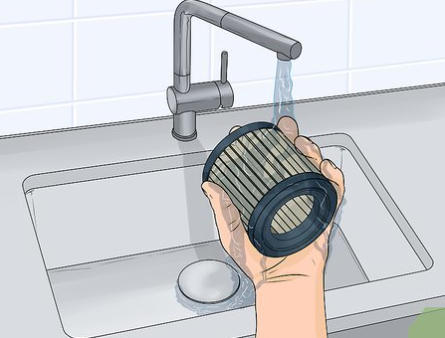
3. Rinse with gentle water flow
Rinse the HEPA Air Filter with cool or lukewarm water, usually in the opposite direction of normal airflow, and avoid high‑pressure jets or scrubbing that could tear the fibers.[5][11]
4. Use mild detergent if allowed
If the manufacturer allows, immerse or rinse the HEPA Air Filter briefly in a dilute mild detergent solution to remove sticky deposits, then rinse thoroughly until the water runs clear and no suds remain.[16][3]
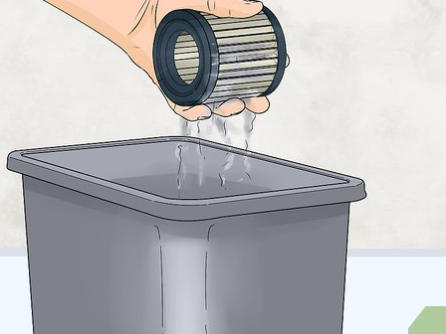
5. Dry the HEPA Air Filter completely
Place the washed HEPA Air Filter in a clean, well‑ventilated area and let it air‑dry completely before reinstallation; using a wet HEPA Air Filter may lead to mold growth inside the media.[3][11]
6. Reinstall and reset indicators
When the HEPA Air Filter is fully dry, reinstall it in the correct orientation, close the access panel, and reset any electronic filter indicator or timer according to the device instructions.[17][5]
Even for washable designs, cleaning cycles are limited; after a certain number of washes, the HEPA Air Filter will gradually lose performance and should be replaced according to the manufacturer's guidance.[10][7]
How To Handle Non‑Washable HEPA Air Filters
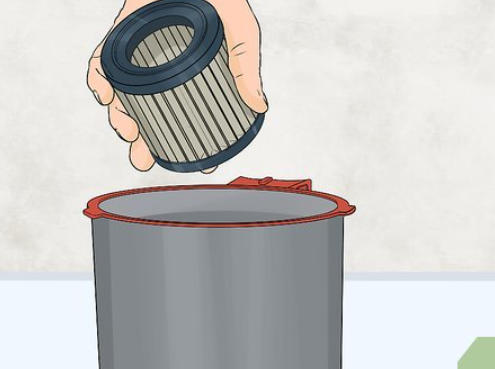
For non‑washable HEPA Air Filters, the goal is to maintain performance without damaging the delicate media. These filters must not be rinsed in water or treated with liquid cleaners, because moisture can degrade fiber bonds and create a breeding ground for microbes.[18][11][3]
Some manufacturers allow very gentle cleaning methods such as:
- Lightly vacuuming the upstream surface of the HEPA Air Filter with a soft brush attachment
- Carefully tapping the frame (outside) to remove loose outer dust
Even these methods provide only small benefits and cannot restore a saturated filter to like‑new condition. In pharmaceutical cleanrooms, laminar flow cabinets, and other critical systems, non‑washable HEPA Air Filters are not cleaned in place but instead are monitored by pressure drop and leak testing and then replaced entirely when they reach limit values.[13][1][10][5]
When You Should Replace A HEPA Air Filter
The right time to replace a HEPA Air Filter depends on several factors including dust loading, local air quality, operating hours, and the sensitivity of the environment. Most manufacturers provide specific replacement intervals expressed in months or hours of use, such as every 6–12 months for many residential HEPA Air Filters.[19][7][13]
In cleanrooms and pharmaceutical plants, HEPA Air Filter replacement is typically tied to:
- Reaching a predefined maximum pressure drop across the HEPA Air Filter
- Failing an integrity or leak test
- Failing to meet airborne particle limits during environmental monitoring
Industry guidance often leads to replacement every 3–5 years, but this can be shorter in heavily loaded or critical areas. For home devices, following the OEM schedule and observing signs such as reduced airflow, persistent odor, or visible damage around the HEPA Air Filter are good practical triggers for replacement.[12][19][13][17]
HEPA Air Filters In Pharmaceutical And Cleanroom Systems
In pharmaceutical and biotech production, a HEPA Air Filter is part of a validated contamination control strategy rather than a simple consumable. Air handling units supply conditioned air through pre‑filters and terminal HEPA Air Filters into classified areas, and system design must ensure correct airflow patterns and pressure cascades that rely on stable HEPA Air Filter performance.[20][1][12]
Regulations and standards such as GMP and ISO 14644 require documented testing of HEPA Air Filters during installation and at regular intervals, including integrity tests and airflow checks. Because improper cleaning could change filter characteristics and invalidate these tests, pharmaceutical facilities almost always treat the HEPA Air Filter as a replace‑only part and manage it through controlled change and maintenance procedures.[1][12][13]
Extending The Life Of A HEPA Air Filter
Even when a HEPA Air Filter cannot be washed, good system design and housekeeping can significantly extend its useful life. Key strategies include:[7][13]
- Use high‑quality pre‑filters – Installing coarse and fine pre‑filters upstream of the HEPA Air Filter captures larger dust and droplets before they reach the high‑efficiency media, slowing the rise in pressure drop.[19][13]
- Control indoor pollution sources – Reducing activities that generate particles, such as smoking indoors, uncontrolled sanding, or unnecessary paper dust in offices, decreases the load on the HEPA Air Filter.[9][11]
- Maintain equipment and ducts – Regular cleaning and inspection of ducts, coils, and housings prevent additional particulate buildup and biofilm that might otherwise migrate toward the HEPA Air Filter.[6][21]
For pharmaceutical plants, careful zoning, airlocks, gowning procedures, and well‑designed material flows reduce particulate generation, helping HEPA Air Filters last longer while maintaining compliance.[12][1]
Safety Precautions When Handling HEPA Air Filters
A used HEPA Air Filter contains a high concentration of the particles it has removed from the air, and these may include allergens, dust, microorganisms, or even hazardous process materials. When handling such filters, appropriate safety measures are essential:[1][12]
- In industrial or pharmaceutical environments, wear suitable PPE such as gloves, eye protection, and respiratory protection as defined by site procedures.[20][12]
- Avoid striking, blowing, or shaking the HEPA Air Filter inside occupied areas, which could release captured contaminants back into the air.[10][3]
- Place spent HEPA Air Filters in sealed bags or containers and dispose of them according to local environmental and hazardous waste regulations.[18][11]
These precautions are especially important when the HEPA Air Filter has been used in processes involving active pharmaceutical ingredients, cytotoxic drugs, or biological agents.[20][12]
Everheal And HEPA Air Filter Management
As a Chinese pharmaceutical equipment manufacturer, Everheal supplies pure water systems, pure steam generators, multi‑effect distillation units, liquid filling and sealing machines, and sterilization systems that must function reliably in controlled cleanroom environments. A correctly specified HEPA Air Filter system is essential to support these core process utilities and packaging lines by keeping airborne contamination within defined limits.[12][1]
When providing customized factory layout planning and production line solutions, Everheal can integrate cleanroom zoning, air handling units, and HEPA Air Filter configurations tailored to the client's product, regulatory requirements, and capacity targets. By coordinating equipment selection with HVAC and HEPA Air Filter strategies, clients can build efficient, compliant facilities where process, environment, and filtration all work together.[13][20][1][12]
Conclusion
A HEPA Air Filter is a highly efficient mechanical filter that plays a critical role in protecting air quality in homes, offices, laboratories, and pharmaceutical facilities. Whether you can clean a HEPA Air Filter safely depends entirely on its type and the manufacturer's instructions; many HEPA Air Filters are designed only for replacement, while some washable or permanent designs can be cleaned carefully under controlled conditions.[8][11][5][10][1]
Washing a non‑washable HEPA Air Filter or using aggressive cleaning techniques can damage its delicate fiber structure, reduce particle capture efficiency, and compromise air cleanliness, especially in high‑risk environments. The best long‑term strategy is to choose the right HEPA Air Filter, protect it with suitable pre‑filters, follow recommended replacement intervals, and integrate the HEPA Air Filter into a well‑documented maintenance program, particularly in regulated pharmaceutical or healthcare applications.[14][19][10][13][12]
FAQ
1. Can every HEPA Air Filter be washed?
No, not every HEPA Air Filter can be washed. Many true HEPA Air Filters are disposable and must be replaced when they reach their recommended service life or pressure drop. Only HEPA Air Filters clearly labeled as “washable” or “permanent” should be cleaned, and even then only according to the specific procedure provided by the manufacturer.[11][5][7][1]
2. What happens if I wash a non‑washable HEPA Air Filter?
Washing a non‑washable HEPA Air Filter can deform or break its micro‑fibers, open up the structure, and create channels where particles can pass through more easily. Tests show that a washed non‑washable HEPA Air Filter may no longer achieve its original 99.97% efficiency at 0.3 microns, even though airflow may appear improved.[15][14][10]
3. How often should a HEPA Air Filter be replaced?
Replacement frequency for a HEPA Air Filter depends on the application and environment. Many residential true HEPA Air Filters are replaced every 6–12 months, depending on use and pollution levels. In cleanrooms and pharmaceutical facilities, HEPA Air Filters are typically replaced every few years or when they fail leak tests or exceed predefined pressure‑drop limits.[19][7][13][12]
4. Can vacuuming extend the life of a HEPA Air Filter?
Gentle vacuuming of the surface of some HEPA Air Filters can remove loose dust and slightly improve airflow, particularly for permanent or non‑washable designs. However, vacuuming does not fully restore the HEPA Air Filter to its original performance and should not be seen as a substitute for timely replacement based on the manufacturer's guidelines.[5][7][10][1]
5. How can I make my HEPA Air Filter last longer?
To extend the life of a HEPA Air Filter, use suitable pre‑filters to capture larger particles, keep indoor environments clean, and control sources of dust and smoke. In pharmaceutical and industrial systems, good cleanroom practices, optimized airflow design, and regular maintenance of ducts and equipment help reduce particle load on the HEPA Air Filter and maintain stable performance.[21][9][13][1]
Citations:
[1](https://cleanair.camfil.us/2025/09/22/hepa-filters-understanding-performance-standards-applications-and-selection-criteria/)
[2](https://www.lakeair.com/iaq-education/hepa-vs-electrostatic/)
[3](https://ushomefilter.com/blogs/air-quality/guide-to-hepa-filter-its-cleaning)
[4](https://www.reddit.com/r/HomeImprovement/comments/xypesy/air_purifierother_methods_for_dust_removal/)
[5](https://www.rabbitair.com/blogs/air-purifier/how-to-clean-a-hepa-filter-a-comprehensive-guide)
[6](https://www.aeheatingandcooling.com/blog/air-filters-purifiers-scrubbers-comparing-air-cleaners)
[7](https://alen.com/blogs/fresh-air-101/hepa-filters-understanding-types-efficiency-levels-and-effectiveness-in-air-purification)
[8](https://pmc.ncbi.nlm.nih.gov/articles/PMC3382390/)
[9](https://www.epa.gov/indoor-air-quality-iaq/guide-air-cleaners-home)
[10](https://smartairfilters.com/en/blog/how-to-clean-wash-hepa-filter/)
[11](https://molekule.com/blogs/all/how-to-clean-a-hepa-filter-and-what-you-should-know-beforehand)
[12](https://www.liberty-ind.com/blog/how-often-do-you-need-to-change-hepa-filters-cleanrooms/)
[13](https://cleanroomtechnology.com/when-to-replace-your-hepa-filter-according)
[14](https://www.youtube.com/watch?v=-DxF8UYI0Ow)
[15](https://www.youtube.com/watch?v=r79yi2u4YQA)
[16](https://filtersdirect.uk/how-to-clean-a-hepa-filter-guide/)
[17](https://www.homedepot.com/c/ab/how-to-clean-an-air-purifier/9ba683603be9fa5395fab901a8bbbd9d)
[18](https://learn.sensibo.com/b2c-blog/how-to-clean-a-non-washable-hepa-filter)
[19](https://kleanlabs.com/blog/hepa-filter-replacement-guidelines-recommended-frequency/)
[20](https://blog.gotopac.com/2019/10/08/cleanroom-fan-filter-testing-and-maintenance-hepa-filter-replacement-and-troubleshooting/)
[21](https://www.golighthouse.com/en/blog/cleanroom-maintenance-checklist-607/)


