Content Menu
● Understanding the Concept of Safety Barrier Systems
● Importance of Safety Barrier Systems in Pharmaceutical Manufacturing
● Types of Safety Barrier Systems in Pharmaceutical Equipment
>> 1. Physical Barriers
>> 2. Airflow Barriers
>> 3. Process Control Barriers
>> 4. Chemical and Biological Barriers
>> 5. Sterilization and Decontamination Barriers
● Applications Across Pharmaceutical Equipment Systems
>> Pure Water Preparation Systems
>> Distillation and Steam Generation Equipment
>> Aseptic Filling and Sealing Machines
>> Sterilization Systems
>> Factory Layout and Integration
● Compliance and Standardization
● Designing an Effective Safety Barrier System
● Technological Trends Shaping Modern Barrier Systems
● Conclusion
● FAQ
>> 1. What is a Safety Barrier System in pharmaceutical equipment?
>> 2. Why are barrier systems essential in pharmaceutical manufacturing?
>> 3. How do isolators differ from RABS?
>> 4. What role does automation play in safety barriers?
>> 5. How does Everheal incorporate safety barriers into its equipment?
In modern pharmaceutical manufacturing, safety and contamination control are the cornerstones of every production process. A Safety Barrier System plays a critical role in ensuring the protection of both operators and pharmaceutical products within controlled environments. As the demand for precision, sterility, and compliance grows, pharmaceutical equipment manufacturers must integrate robust barrier systems to safeguard production integrity—from water purification facilities to aseptic filling and sterilization lines.
This article will explore what a safety barrier system is, why it is essential in pharmaceutical equipment, how it functions, and what types and standards define its implementation.
Understanding the Concept of Safety Barrier Systems
A Safety Barrier System in the context of pharmaceutical equipment refers to a series of physical and operational separations designed to control contamination risks and ensure product, personnel, and environmental safety. These systems maintain sterile production conditions while allowing precise control of sensitive manufacturing operations.
In pharmaceutical environments, contaminants—such as airborne particles, microorganisms, and chemical vapors—can compromise product quality, safety, and efficacy. Therefore, maintaining a controlled environment is not just a regulatory requirement but an ethical obligation to ensure patient safety.
Barrier systems serve as a protective interface that allows operators to interact with sterile or hazardous materials without compromising containment. They function as the first line of defense against biological and chemical risks.
Importance of Safety Barrier Systems in Pharmaceutical Manufacturing
Pharmaceutical equipment operates under strict GMP (Good Manufacturing Practice) guidelines, requiring cleanroom standards and aseptic conditions. Safety barrier systems address several critical issues:
1. Contamination prevention: They block cross-contamination between products, personnel, and processes.
2. Personnel protection: Operators are shielded from hazardous materials or high-temperature operations.
3. Product integrity: Barrier systems maintain the purity and sterility of drugs during production and packaging.
4. Regulatory compliance: They help meet ISO, FDA, and WHO requirements for cleanroom and aseptic conditions.
5. Cost-effectiveness: Preventing contamination and accidents reduces product waste, recalls, and downtime.
Without adequate barrier systems, even high-quality pharmaceutical equipment such as filling lines, pure water systems, and sterilizers cannot operate safely or effectively.
Types of Safety Barrier Systems in Pharmaceutical Equipment
Different safety barriers are utilized depending on the nature of the process, product, and cleanroom classification. The most common systems include:
1. Physical Barriers
Physical barriers are the simplest and most visible type. They include:
- Isolators: Fully enclosed systems that separate operators from the processing area using glove ports and sealed chambers.
- Restricted Access Barrier Systems (RABS): Provide partial physical separation and controlled airflow between operators and sterile zones.
- Screens and enclosures: Transparent barriers that allow visual monitoring while preventing direct contact.
2. Airflow Barriers
Air barrier systems rely on controlled airflow patterns and filtration to maintain specific contamination grades. Examples include:
- Laminar Airflow Units (LAF): Generate unidirectional air that prevents the ingress of contaminants into sterile zones.
- HEPA and ULPA Filtration: Remove particles and microorganisms from air streams to maintain Class 100 (ISO 5) clean areas.
- Pressure Differentials: Maintain positive or negative pressure zones to control the flow of airborne contaminants.
3. Process Control Barriers
Process automation acts as an invisible yet essential barrier. It reduces direct human intervention, one of the largest contamination sources.
- Automated equipment monitoring.
- Remote operation of filling, sealing, and sterilization systems.
- Integrated alarm and interlock systems ensuring safe sequence control.
4. Chemical and Biological Barriers
In areas dealing with active pharmaceutical ingredients (APIs) or biotechnological agents, additional safety measures include:
- Decontamination cycles using vaporized hydrogen peroxide (VHP) or steam-in-place systems.
- Specialized biocontainment isolators.
- Secondary containment structures preventing accidental substance release.
5. Sterilization and Decontamination Barriers
Sterilization systems function as both process and safety barriers by eliminating pathogens. Equipment like pure steam generators, multi-effect distillers, and autoclaves ensure that product contact surfaces remain sterile throughout the production cycle.
Applications Across Pharmaceutical Equipment Systems
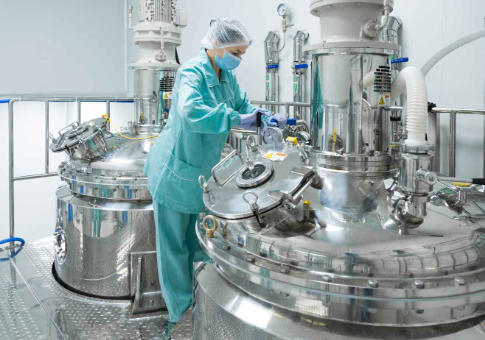
Safety barrier systems are applied throughout all stages of pharmaceutical production. Different types of pharmaceutical equipment integrate these barriers to meet process-specific safety needs.
Pure Water Preparation Systems
In pure water and clean steam systems, preventing microbial contamination is essential. Barriers include closed-loop piping systems, sterilizable tanks, and automatic control valves to maintain water purity within pharmacopeia standards.
Distillation and Steam Generation Equipment
Multi-effect distillers and pure steam generators operate under high temperatures and pressure. Barrier systems here involve sealed vessels, thermal insulation, and automatic pressure controls to prevent operator injury and ensure process integrity.
Aseptic Filling and Sealing Machines
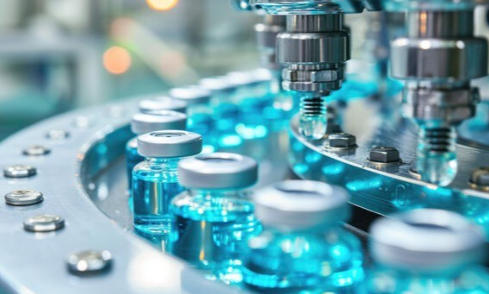
Filling and sealing represent critical contamination risk points. Barrier systems such as isolators, RABS, and laminar airflow cabinets maintain sterile environments during vial or ampoule filling processes.
Sterilization Systems
Equipment like autoclaves and dry heat sterilizers use controlled pressure and temperature barriers for effective microbial elimination. They also employ safety interlocks and monitoring systems to prevent accidental opening or overheating.
Factory Layout and Integration
Modern pharmaceutical factories use customized layout planning where barrier systems and cleanroom airflows are designed together. Logical zoning—from grade A production zones to clean corridors—prevents cross-contamination and maintains consistent process control.
Compliance and Standardization
Global regulatory agencies emphasize the use of validated barrier systems in pharmaceutical manufacturing facilities. Some key standards include:
- GMP (EU and WHO): Requires contamination control strategies throughout the production cycle.
- FDA 21 CFR Part 210/211: Enforces sterility standards for drug manufacturing.
- ISO 14644 and ISO 13485: Define design specifications for cleanrooms and related equipment.
- ISPE and PDA Guidelines: Provide best practices for isolator and RABS design.
Validation of a Safety Barrier System involves equipment qualification (IQ, OQ, PQ), airflow balance assessments, and microbial contamination tests to verify performance consistency.
Designing an Effective Safety Barrier System
Developing an efficient safety barrier system demands an integrated approach involving equipment design, facility layout, and process automation. The following design principles are widely adopted:
1. Risk Assessment: Identify potential contamination and exposure risks in each process step.
2. Barrier Selection: Determine whether physical, airflow, or automated control barriers are appropriate.
3. Material Compatibility: Use corrosion-resistant and sterilizable materials like stainless steel 316L.
4. Operator Interface Design: Maintain ergonomic and safe access points without breaching sterile zones.
5. Maintenance and Validation: Regular inspection, calibration, and requalification ensure longevity and compliance.
Everheal, as a professional manufacturer of pharmaceutical equipment, specializes in customizing barrier-integrated systems that align with specific process and regulatory requirements. From pure steam generators to aseptic filling systems, each equipment set is designed for maximum safety, reliability, and efficiency.
Technological Trends Shaping Modern Barrier Systems
Emerging technologies are reshaping how safety barriers are implemented in pharmaceutical equipment:
- Digital monitoring and IoT integration for real-time process control and anomaly detection.
- Automated decontamination systems using AI-controlled sterilization cycles.
- Flexible isolator designs that adapt to different batch sizes and production needs.
- Energy-efficient airflow systems reducing operational costs while maintaining safety standards.
- Data-driven validation systems streamlining regulatory compliance documentation.
These innovations are enhancing not only safety but also production efficiency and traceability across pharmaceutical supply chains.
Conclusion
Safety Barrier Systems are indispensable in modern pharmaceutical manufacturing. They provide the essential protection that keeps drugs pure, facilities compliant, and personnel safe. From isolators in aseptic filling lines to airflow-controlled cleanrooms and automated sterilization systems, barrier technologies ensure that every pharmaceutical product is manufactured under the highest safety and quality standards.
Everheal continues to advance the development of integrated pharmaceutical equipment solutions, offering global clients reliable systems for pure water generation, sterilization, and aseptic processing—all backed by robust barrier designs and GMP alignment. As manufacturing technology evolves, safety barrier systems will remain at the heart of pharmaceutical excellence.
FAQ
1. What is a Safety Barrier System in pharmaceutical equipment?
A Safety Barrier System is a collection of physical, mechanical, and airflow structures that protect both operators and products from contamination or hazards during pharmaceutical production.
2. Why are barrier systems essential in pharmaceutical manufacturing?
They ensure aseptic conditions, prevent cross-contamination, and protect workers from hazardous substances, helping maintain compliance with GMP and FDA standards.
3. How do isolators differ from RABS?
Isolators offer full physical separation from the external environment, while Restricted Access Barrier Systems (RABS) provide partial protection but rely heavily on controlled airflow.
4. What role does automation play in safety barriers?
Automation reduces human contact with sterile zones, improving consistency and safety. It includes remote controls, monitoring systems, and automated sterilization cycles.
5. How does Everheal incorporate safety barriers into its equipment?
Everheal integrates safety barrier systems into all its pharmaceutical equipment—from pure water systems to sterilization lines—ensuring each solution meets global GMP and client-specific standards.


