Content Menu
● What Is A HEPA Air Filter?
● How Does A HEPA Air Filter Work?
● HEPA Standards and Classifications
● Key Components of a HEPA Air Filter
● Types of HEPA Air Filters
● HEPA Air Filters in Pharmaceutical Cleanrooms
● HEPA Air Filters and Everheal's Solutions
● Performance, Pressure Drop, and Energy Efficiency
● Maintenance and Replacement Best Practices
● HEPA Air Filters and Indoor Air Quality
● Selecting the Right HEPA Air Filter
● Advantages of HEPA Air Filters in Pharmaceutical Facilities
● Common Misconceptions About HEPA Air Filters
● Future Trends in HEPA Air Filter Technology
● Conclusion
● FAQ
>> 1. What is the official efficiency requirement for a HEPA air filter?
>> 2. Can a HEPA air filter remove viruses and bacteria from the air?
>> 3. How often should HEPA air filters be replaced in pharmaceutical facilities?
>> 4. What is the difference between HEPA, EPA, and ULPA filters?
>> 5. Why are pre‑filters important when using a HEPA air filter?
● Citations:
A HEPA air filter is a high‑efficiency particulate air filter designed to capture extremely fine particles and protect people, processes, and products from airborne contamination. As a Chinese pharmaceutical equipment manufacturer, Everheal integrates HEPA air filters into cleanroom HVAC, sterilization, and filling systems to help global clients achieve reliable aseptic production and regulatory compliance.[2][5]
What Is A HEPA Air Filter?
A HEPA air filter is defined by international and national standards as a high‑efficiency filter that removes at least 99.95% (EU/ISO) or 99.97% (US DOE) of particles with a diameter of 0.3 micrometers, known as the most penetrating particle size (MPPS). This efficiency level makes the HEPA air filter a critical component wherever clean, controlled air is essential, including pharmaceutical cleanrooms, hospitals, laboratories, electronics manufacturing, and high‑end industrial applications.[5][7][2]
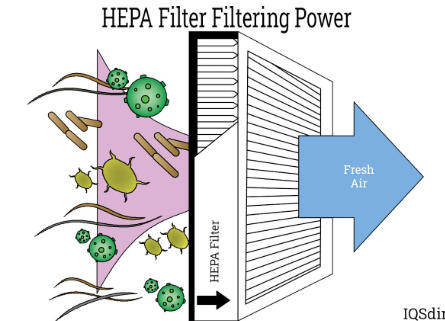
The HEPA air filter uses a dense mat of randomly arranged fibers—commonly fiberglass or synthetic microfibers—formed into deep pleats to create an extensive filtration surface area. When air passes through this medium, particulate contaminants are captured by a combination of impaction, interception, and diffusion mechanisms, ensuring a very high retention of airborne particles without the need for chemical treatments.[1][7][5]
How Does A HEPA Air Filter Work?
A HEPA air filter works through purely mechanical filtration. As air flows through the pleated filter media, particles larger than approximately 1 micrometer are trapped by inertial impaction when their momentum carries them into the fibers instead of following the air stream. Medium‑sized particles that follow the airflow more closely are captured by interception when they brush close enough to adhere to a fiber, while ultrafine particles below 0.1 micrometers are removed by diffusion as their random Brownian motion causes frequent collisions with fibers.[7][5]
The so‑called “most penetrating particle size” around 0.3 micrometers represents the point where these mechanisms are least effective, which is why standards specify HEPA air filter efficiency at this size. In practice, a well‑designed HEPA air filter often performs even better on smaller or larger particles than at 0.3 micrometers, providing robust protection against dust, bacteria, and many virus‑laden aerosols in real‑world conditions.[4][5][7]
HEPA Standards and Classifications
Global standards classify HEPA air filters by their performance at the most penetrating particle size, typically using EN 1822 and ISO 29463 in Europe and DOE/ASHRAE criteria in the United States. Under EN 1822 and the related ISO 29463 series, filters are grouped as EPA (efficient particulate air), HEPA (high efficiency particulate air), and ULPA (ultra‑low penetration air), each with several subclasses based on overall and local efficiency.[6][4][5]
Within these standards, typical HEPA air filter classes include H13 and H14. H13 filters must achieve at least 99.95% overall efficiency at MPPS, while H14 filters must reach at least 99.995%, making them suitable for the most demanding cleanroom applications. ULPA filters—classes U15 to U17—extend efficiency to 99.9995% and beyond at even smaller particle sizes, but HEPA air filter grades H13 and H14 remain the industry workhorses for pharmaceutical production areas, biosafety labs, and many controlled environments.[6][7]
Key Components of a HEPA Air Filter
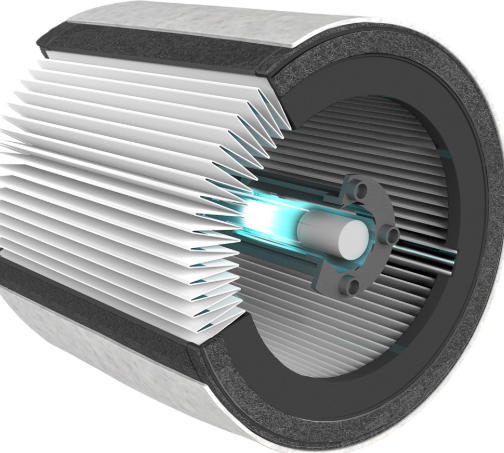
A typical HEPA air filter assembly includes several carefully engineered components to maintain performance and integrity over its service life. The core element is the filter media, a microporous fiber layer with optimized fiber diameter, density, and thickness to deliver high capture efficiency at acceptable pressure drop levels. The media is pleated and separated by spacers or hot‑melt beads to keep uniform spacing and maximize face area within a compact frame.[1][5]
The pleated block is mounted into a rigid frame made of aluminum, galvanized steel, stainless steel, or high‑grade plastics, selected according to temperature, humidity, and chemical exposure requirements. To prevent unfiltered air from bypassing the media, the HEPA air filter uses gasket or gel‑type seals and high‑quality potting compounds to bond the media pack to the frame, forming an airtight assembly that can be leak‑tested according to EN 1822 or ISO 29463.[1][6]
Types of HEPA Air Filters
Although all HEPA air filters share the same basic efficiency concept, several types are available to suit different applications. Standard box‑type HEPA air filters are installed in air handling units or duct systems, providing centralized filtration for entire buildings or production areas. Terminal HEPA air filters are designed for direct installation in cleanroom ceilings, fan filter units, or laminar flow modules, delivering final filtration directly into controlled spaces.[8][7]
High‑capacity HEPA air filters use deeper pleats or larger face areas to handle higher airflow rates with reduced pressure drop, improving energy efficiency in large HVAC systems. In addition, specialized mini‑pleat HEPA air filters minimize depth and weight for compact equipment, such as isolators, biosafety cabinets, and medical devices. Everheal can select and integrate the appropriate HEPA air filter type depending on the layout of pharmaceutical facilities, filling lines, and sterilization systems required by each customer.[7][1]
HEPA Air Filters in Pharmaceutical Cleanrooms
In pharmaceutical manufacturing, the HEPA air filter is one of the most critical elements of cleanroom design. ISO cleanroom classes, as defined by ISO 14644, specify maximum particle counts for different particle sizes, and HEPA air filters are indispensable for maintaining ISO Class 5–8 environments. Ceiling‑mounted HEPA air filters or fan filter units supply clean, filtered air into the room, often in a unidirectional (laminar) pattern for higher‑class areas, pushing contaminated air towards low‑level exhaust grilles.[8][7]
Sterile filling lines, aseptic processing areas, and critical sampling zones typically employ H13 or H14 HEPA air filters to ensure that airborne contamination is kept below stringent limits. These filters support compliance with Good Manufacturing Practice (GMP) guidelines by minimizing the risk of particulate and microbial contamination of injectable drugs, ophthalmic solutions, and other sterile products. Everheal's factory layout and line design solutions use HEPA air filter zoning strategies to match the cleanliness level to each process step, from raw material handling to final packaging.[7]
HEPA Air Filters and Everheal's Solutions
Everheal's product portfolio—pure water preparation systems, pure steam generators, multi‑effect distillation units, liquid filling and sealing machines, and sterilization systems—relies on controlled air quality to guarantee reliable performance and product safety. In water systems, HEPA air filters are applied to tank vents, clean utility rooms, and equipment enclosures to prevent airborne microorganisms and particulates from entering critical circuits. For pure steam and distilled water production, HEPA air filters help maintain low bioburden in associated process rooms and distribution skids.[10][7]
In aseptic filling lines and terminal sterilization areas, Everheal uses HEPA air filters integrated with laminar flow hoods, isolators, and cleanroom HVAC units. These HEPA air filters create protective airflow around open containers, stoppers, and closure systems, reducing the risk of microbial contamination. When Everheal designs turnkey production lines and full plant layouts, HEPA air filters are selected and positioned to support air change rates, room pressurization cascades, and cross‑contamination control, ensuring consistent compliance with both local and international regulatory expectations.[11][7]
Performance, Pressure Drop, and Energy Efficiency
The performance of a HEPA air filter is defined not only by efficiency but also by airflow resistance or pressure drop. Standards commonly specify that HEPA air filters should achieve their rated efficiency at a nominal airflow with a pressure drop in the range of a few hundred pascals, such as around 250–300 Pa. Excessive pressure drop increases fan energy consumption and may reduce airflow in critical zones, so selection and system design must balance filtration performance with energy demand.[5][1][7]
Modern HEPA air filter media use advanced fiber distribution and depth‑loading characteristics to capture particles throughout the media thickness, delaying clogging and extending service life. In practice, Everheal and its clients monitor pressure differential across HEPA air filters using gauges or transmitters; once the pressure drop reaches a predefined limit, the HEPA air filter is scheduled for replacement to maintain both airflow and cleanliness targets.[12][1][7]
Maintenance and Replacement Best Practices
Because HEPA air filters operate in critical environments, their maintenance follows strict procedures. Operators monitor the pressure differential across each HEPA air filter and perform regular visual inspections of frames, seals, and housings to detect any physical damage or bypass paths. Unlike coarse pre‑filters, a true HEPA air filter is not washable; exposure to water or aggressive mechanical cleaning can destroy the delicate fiber structure and dramatically reduce filtration efficiency.[13][12][7]
Cleanroom and pharmaceutical standards call for periodic integrity testing of installed HEPA air filters using aerosol challenge methods such as PAO or DOP scanning. During these tests, a known aerosol is introduced upstream, and a particle counter or photometer scans the downstream face to verify there are no leaks and that the HEPA air filter meets its claimed efficiency. Based on loading conditions, environment, and regulatory requirements, replacement intervals typically range from 1 to 3 years in pharmaceutical facilities, though heavy contamination or high humidity can shorten service life.[12][13][6][7]
HEPA Air Filters and Indoor Air Quality
Beyond high‑end industrial and pharmaceutical environments, HEPA air filters have become a key tool for improving indoor air quality in commercial buildings, healthcare facilities, and even residences. HEPA air filter units or portable purifiers can remove dust, smoke particles, allergens, mold spores, and some bacteria from indoor air, reducing respiratory symptoms and allergy triggers. During outbreaks of airborne infectious diseases, HEPA air filters are widely recommended as part of a multi‑layered mitigation strategy, alongside ventilation, masking, and other controls.[14][15][13]
However, it is important to distinguish between certified HEPA air filters and low‑grade “HEPA‑type” filters. True HEPA air filters are tested and labeled according to recognized standards such as EN 1822 or DOE/ASHRAE criteria, while “HEPA‑like” or “HEPA‑style” products may offer significantly lower efficiencies and are unsuitable for critical applications like pharmaceutical production or hospital isolation rooms.[3][9]
Selecting the Right HEPA Air Filter
Selecting the correct HEPA air filter for a given system requires a clear understanding of process requirements, regulatory expectations, and system constraints. Key considerations include the required cleanliness level (for example, ISO Class 5 vs. ISO Class 8), the target particle sizes and concentrations, and whether the application involves sterile or non‑sterile manufacturing. From these inputs, engineers determine the appropriate HEPA class (H13, H14, or ULPA), airflow capacity, and face velocity.[8][7]
Mechanical constraints such as available space in air handling units, ceiling plenums, or equipment enclosures will influence the choice between box‑type, V‑bank, and mini‑pleat HEPA air filter designs. Environmental aspects—temperature, humidity, chemical exposure—drive the selection of frame materials and gasket types to ensure long‑term stability. In Everheal's turnkey projects, these factors are assessed during early design stages to integrate HEPA air filters seamlessly into HVAC, cleanroom, and process equipment layouts.[1][7]
Advantages of HEPA Air Filters in Pharmaceutical Facilities
The use of HEPA air filters in pharmaceutical facilities delivers several critical advantages. First, the high capture efficiency of HEPA air filters directly supports product quality by minimizing particulate and microbial contamination risk, which reduces batch failures and costly product recalls. Second, HEPA air filters help maintain consistent cleanroom classification under normal and upset operating conditions, providing a stable environment for sensitive operations such as sterile filling and lyophilization.[5][7]
Third, HEPA air filters contribute to operator safety by limiting exposure to hazardous powders, active pharmaceutical ingredients, and biological agents that may become airborne during production. Finally, when designed correctly, HEPA air filter systems can be energy‑optimized using appropriate pre‑filtration stages, variable‑speed fans, and monitoring strategies, enabling high levels of cleanliness without excessive operating cost.[9][7][1]
Common Misconceptions About HEPA Air Filters
Several misconceptions persist regarding HEPA air filters. One common misunderstanding is that a HEPA air filter will remove all viruses with absolute certainty; in reality, HEPA air filters dramatically reduce airborne virus‑laden particles but do not guarantee zero risk and should be combined with other controls. Another misconception is that all filters labeled as “HEPA” are equivalent, whereas only those tested and certified according to recognized standards provide the documented 99.95–99.97% efficiency at the specified particle size.[15][3][6][5]
A further misconception is that higher efficiency is always better. While ULPA filters offer greater efficiency than HEPA air filters, they also impose higher pressure drops and may not be necessary or economical for many applications, especially when H13 or H14 HEPA air filters already satisfy regulatory needs. Proper selection, testing, and maintenance are therefore more important than simply choosing the highest nominal efficiency on paper.[6][7]
Future Trends in HEPA Air Filter Technology
HEPA air filter technology continues to evolve to meet new demands for energy efficiency, sustainability, and pathogen control. Manufacturers are developing advanced media with nanofibers or gradient structures that increase dust‑holding capacity while lowering resistance, enabling longer service life and lower fan energy consumption. Research is also ongoing into coatings and treatments that can reduce microbial growth on the filter surface without compromising filtration performance or releasing harmful substances.[15][5][1]
In parallel, digital monitoring technologies are transforming the way HEPA air filter systems are managed. Smart sensors, connected building management systems, and predictive analytics can track pressure drops, airflow, and particle counts in real time, allowing facility managers to optimize maintenance schedules and respond quickly to deviations. For Everheal and its pharmaceutical clients, these developments support more reliable, data‑driven control of cleanroom environments and critical utilities.[7][1]
Conclusion
A HEPA air filter is a precisely engineered, high‑efficiency filtration device that plays a foundational role in modern air quality management, especially in pharmaceutical production and other high‑risk environments. Defined by its ability to remove at least 99.95–99.97% of 0.3‑micrometer particles, the HEPA air filter enables cleanrooms, sterile manufacturing areas, and critical equipment to operate safely and in compliance with international standards. For a company like Everheal, integrating correctly selected and rigorously tested HEPA air filters into pure water systems, pure steam generators, distillation units, and filling and sterilization lines is essential to delivering reliable, globally competitive solutions.[2][5]
By understanding how a HEPA air filter works, how it is classified, and how it should be maintained, facility owners and engineers can design more robust cleanroom systems and minimize contamination risks throughout the product lifecycle. HEPA air filters will continue to evolve through advanced materials and smart monitoring technologies, but their fundamental mission remains the same: to protect people, products, and processes through high‑efficiency control of airborne particles.[1][7]
FAQ
1. What is the official efficiency requirement for a HEPA air filter?
Most international standards require a HEPA air filter to remove at least 99.95% (EN 1822 / ISO 29463) or 99.97% (DOE/ASHRAE) of particles at the most penetrating particle size, typically around 0.3 micrometers. This efficiency is verified by laboratory testing and, for installed filters, by on‑site integrity tests using defined aerosol challenge methods.[2][5][6][7]
2. Can a HEPA air filter remove viruses and bacteria from the air?
Yes, a HEPA air filter can capture the majority of airborne bacteria and virus‑laden droplets or aerosols, since these are often associated with particles in the submicron to several‑micron range. While no filter can guarantee total elimination of infection risk, incorporating HEPA air filters into ventilation and cleanroom systems significantly reduces the concentration of infectious particles in the air.[14][15][5][7]
3. How often should HEPA air filters be replaced in pharmaceutical facilities?
Replacement intervals depend on particle loads, operating hours, and regulatory expectations, but many pharmaceutical facilities replace HEPA air filters every 1–3 years or when pressure drop and integrity tests indicate end of life. Regular monitoring of differential pressure, combined with periodic PAO or DOP scan testing, helps determine the optimal changeout time without compromising product or patient safety.[12][6][7]
4. What is the difference between HEPA, EPA, and ULPA filters?
EPA filters provide high but lower efficiency than HEPA air filters, typically used for general high‑grade ventilation, while HEPA filters (H13–H14) meet stricter efficiency thresholds suitable for cleanrooms and critical areas. ULPA filters exceed HEPA performance, capturing up to 99.9995% or more of even smaller particles and are reserved for ultra‑clean environments where extreme contamination control is required.[4][6][7]
5. Why are pre‑filters important when using a HEPA air filter?
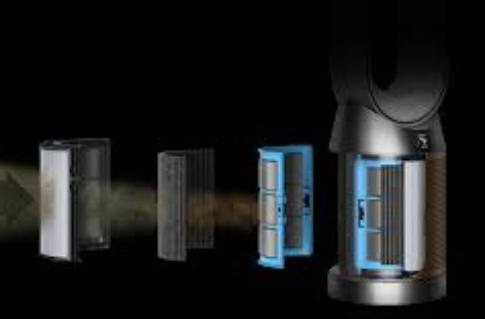
Pre‑filters capture larger dust and debris before the airflow reaches the HEPA air filter, reducing loading and extending the HEPA media's service life. Properly designed pre‑filtration stages also help maintain lower pressure drops and more stable airflow, improving energy efficiency and helping the HEPA air filter sustain its rated performance over time.[12][7][1]
Citations:
[1](https://cleanair.camfil.us/2025/09/22/hepa-filters-understanding-performance-standards-applications-and-selection-criteria/)
[2](https://www.epa.gov/indoor-air-quality-iaq/what-hepa-filter)
[3](https://www.hepacart.com/blog/dont-be-fooled-by-hepa-filter-types-standard-and-approved-filters)
[4](https://www.emw.de/en/filter-campus/iso29463.html)
[5](https://en.wikipedia.org/wiki/HEPA)
[6](https://smartairfilters.com/en/blog/en1822-hepa-filter-standard/)
[7](https://csitesting.com/cleanroom-hepa-filters/)
[8](https://orf.od.nih.gov/TechnicalResources/Documents/Technical%20Bulletins/22TB/HEPA%20Air%20Filtration%20in%20Cleanrooms%20%E2%80%93%20Design%20Construction%20and%20Testing%20Requirements%20July%202022%20Technical%20Bulletin_508.pdf)
[9](https://airmidhealthgroup.com/understanding-merv-hepa-and-ashrae-standards.html/)
[10](https://www.sctcleanroom.com/news/application-of-hepa-filter-in-pharmaceutical-clean-room/)
[11](https://www.cleanroomsolutions.com/blog/posts/hepa-filters-in-cleanrooms)
[12](https://www.sepsservices.com/resources/enhancing-air-quality-a-guide-to-hepa-filter-testing-replacement-and-maintenance/)
[13](https://www.airoasis.com/blogs/articles/hepa-air-filters-for-the-home-what-they-do-and-how-to-get-the-most-from-them)
[14](https://whn.global/scientific/benefits-of-hepa-filters-at-home/)
[15](https://www.hepacart.com/blog/elevating-indoor-air-the-importance-of-hepa-h13-filtration)


