Content Menu
● Understanding Washable Air Filters
● Safety Precautions Before Cleaning
● Locating and Removing the Washable Air Filter
● Initial Debris Removal
● Rinsing With Low‑Pressure Water
● Using Mild Detergent for Deep Cleaning
● Gentle Brushing of Stubborn Areas
● Final Rinse and Residue Removal
● Correct Drying of a Washable Air Filter
● Reinstalling the Washable Air Filter
● How Often Should a Washable Air Filter Be Cleaned?
● Advantages of a Washable Air Filter
● Limitations and Risks of Washable Air Filters
● Washable vs. Disposable Filters
● Typical Applications of Washable Air Filters
● Washable Air Filters in Critical Environments
● Troubleshooting Problems After Cleaning
● When to Replace a Washable Air Filter
● Best Practices for Maximizing Service Life
● Conclusion
● FAQ
>> 1. How do I know my filter is a Washable Air Filter?
>> 2. Can I use strong chemicals to speed up cleaning?
>> 3. Is it safe to use hot water on a Washable Air Filter?
>> 4. Why does my Washable Air Filter smell after cleaning?
>> 5. Can a Washable Air Filter improve energy efficiency?
● Citations:
A properly maintained Washable Air Filter keeps your HVAC system, vehicle, or air purifier running efficiently while protecting indoor air quality. A clear, repeatable cleaning routine also extends the service life of the Washable Air Filter and reduces total maintenance costs over time.
Understanding Washable Air Filters
A Washable Air Filter is a reusable filter, usually made from synthetic mesh, metal mesh, or layered electrostatic media, that can be cleaned and reused many times instead of being discarded after a single use. These filters are designed to tolerate gentle washing without losing their structural integrity or filtration function.
Washable Air Filters appear in residential HVAC systems, mini‑split units, air purifiers, dehumidifiers, vehicles, and many types of light industrial and commercial equipment. Because the same Washable Air Filter may be used for months or years, correct cleaning and drying are essential to prevent loss of airflow, microbial growth, and premature system wear.
Safety Precautions Before Cleaning
Before touching any Washable Air Filter, always power down the equipment completely. Turn off the thermostat, switch off or unplug the appliance, and, for hard‑wired units, shut off the breaker if recommended by the manufacturer.
Give the blower or fan a few moments to stop, and confirm that no moving parts are operating before opening panels or grilles. This simple step protects you from electrical hazards and accidental contact with spinning components while the Washable Air Filter is removed.
Locating and Removing the Washable Air Filter
In central HVAC systems, the Washable Air Filter is commonly found in a return air grille, in the air handler cabinet, or in a dedicated filter rack near the furnace or air conditioner. Remove any latches or screws, then slide the filter straight out, noting the airflow arrow or “front” marking on the frame.
Smaller devices such as room air purifiers, fan‑coil units, and dehumidifiers usually hide a Washable Air Filter behind a snap‑on front panel or rear door. Open the panel carefully, support the filter frame with both hands, and avoid flexing the Washable Air Filter, especially if it uses thin aluminum or plastic rails.
Initial Debris Removal
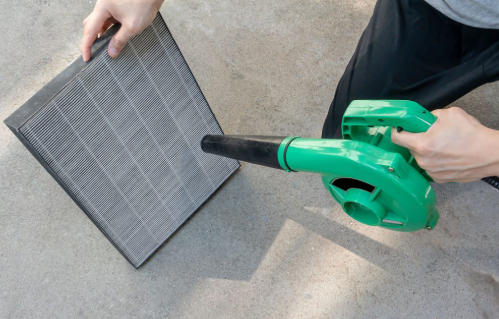
Once the Washable Air Filter has been removed, start by eliminating loose debris. Lightly tap the frame against a solid surface to shake off dust, hair, and coarse particles, taking care not to bend the frame or mesh.
A vacuum cleaner with a soft brush attachment can also be used to gently remove surface dust from both sides of the Washable Air Filter. Keep suction moderate and avoid “digging” into the media; the goal is to lift away loose dirt, not to deform the fibers or mesh.
Rinsing With Low‑Pressure Water
After dry debris has been removed, the Washable Air Filter can be rinsed with water. Use cool or lukewarm water at low pressure, such as from a gentle shower head or lightly opened tap, rather than a high‑pressure nozzle or pressure washer.
For best results, rinse the Washable Air Filter from the clean side toward the dirty side. This direction helps push particles back out the way they entered instead of driving them deeper into the media. Continue until the water runs clear and no visible discoloration flows from the Washable Air Filter.
Using Mild Detergent for Deep Cleaning
If the Washable Air Filter is coated with oily, sticky, or greasy contamination—for example, from kitchens, workshops, or heavy urban pollution—plain water may not be enough. In those cases, a mild, non‑caustic detergent can be used to loosen and remove stubborn deposits.
Mix a small amount of gentle dish soap or manufacturer‑approved cleaner with warm water in a basin or bucket. Immerse or thoroughly wet the Washable Air Filter and allow it to soak briefly. Avoid long soaking times that might attack adhesives or frame materials, and always follow any instructions that came with the Washable Air Filter.
Gentle Brushing of Stubborn Areas
For heavily soiled zones that remain dirty after soaking, gently brush the Washable Air Filter with a soft‑bristle brush. Concentrate on areas where dust and oil are visibly packed, but use only light pressure to avoid tearing the mesh or stretching the media.
Always brush in a direction that supports the structure of the Washable Air Filter, not across sharp edges or bent corners. If a section does not clean up after reasonable effort, it may indicate internal damage, and replacing the Washable Air Filter could be safer than forcing it clean.
Final Rinse and Residue Removal
After detergent and brushing, rinse the Washable Air Filter thoroughly again with low‑pressure water. The aim at this stage is to flush away both loosened dirt and every trace of soap or cleaning solution.
Continue rinsing until the runoff is completely clear and there are no bubbles or slick residues. Detergent left inside a Washable Air Filter can attract dirt more quickly, restrict airflow, and in some cases interfere with electrostatic properties or coatings.
Correct Drying of a Washable Air Filter
A freshly washed Washable Air Filter must be dried completely before it goes back into service. Residual moisture inside the filter media can support mold, mildew, and bacteria, especially in warm ducts or housings with intermittent airflow.
Set the Washable Air Filter upright or at an angle in a well‑ventilated, shaded area. Let it air‑dry naturally; do not use open flames, ovens, or high‑heat blowers that can warp plastic, degrade seals, or alter the structure of the Washable Air Filter. Under typical indoor conditions, complete drying may require several hours.
Reinstalling the Washable Air Filter
When the Washable Air Filter feels dry on all surfaces and no water appears when it is tapped, it is ready to reinstall. Align the airflow arrow or orientation marking with the direction of airflow indicated on the unit, and slide the filter back into its rack or slot.
Make sure the Washable Air Filter sits flat and fills the frame without gaps, then close and secure all doors, grilles, or access panels. Only after the Washable Air Filter is properly seated should the breaker, power switch, or thermostat be turned back on to resume normal operation.
How Often Should a Washable Air Filter Be Cleaned?
There is no single schedule that fits every installation, but regular inspection is more important than relying on a fixed date. In many homes, checking the Washable Air Filter once per month is a good starting point.
If the Washable Air Filter looks gray, shows obvious dust on the surface, or seems to reduce airflow, it is time to clean it—even if the calendar says it is “too early.” In homes with pets, smokers, or nearby construction, cleaning every few weeks is often necessary; in very clean spaces or low‑use systems, two or three months may be acceptable.
Advantages of a Washable Air Filter
Using a Washable Air Filter offers a number of practical benefits for both homeowners and facility managers.
- Long‑term cost savings by replacing frequent filter purchases with periodic cleaning.
- Reduced solid waste because one Washable Air Filter can often last for several years under proper maintenance.
- Flexible scheduling, since you can clean the Washable Air Filter when convenient instead of running to buy replacements.
These advantages are only realized if cleaning and drying standards are consistently followed. A neglected Washable Air Filter can easily become a weak point, restricting airflow and degrading air quality.
Limitations and Risks of Washable Air Filters
Despite their strengths, Washable Air Filters do have limitations. Their filtration efficiency for the smallest particles may not match that of premium disposable filters designed for very fine dust or allergen capture.
If a Washable Air Filter is repeatedly washed with harsh chemicals, handled roughly, or reinstalled while still damp, its structure can fail or support microbial growth. Inadequately dried media can also emit unpleasant odors when the system restarts, signaling potential mold or bacterial activity.
Washable vs. Disposable Filters
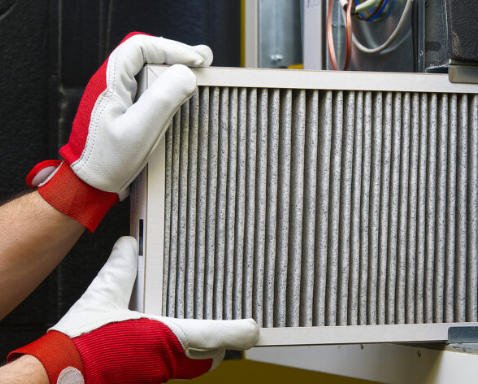
Understanding the difference between a true Washable Air Filter and a disposable filter is crucial. Washable designs are engineered with materials and construction that can handle water and gentle cleaning, while disposable filters are intended to be thrown away once clogged.
Disposable filters typically use paper‑like or fiberglass media that can collapse, tear, or retain moisture if they are washed. Trying to treat a non‑washable model as a Washable Air Filter often results in loss of filtration performance, increased bypass of dust, and potential contamination of downstream components.
Typical Applications of Washable Air Filters
Washable Air Filters are widely used in:
- Residential central HVAC systems and ducted heat pumps.
- Mini‑split and multi‑split air‑conditioning units.
- Portable air purifiers and fan‑coil units.
- Light industrial machines, vending equipment, and utility enclosures.
In more demanding environments such as laboratories, pharmaceutical production, food processing, and high‑purity manufacturing, Washable Air Filters may serve as pre‑filters that capture larger particles before air reaches finer downstream filters.
Washable Air Filters in Critical Environments
In pharmaceutical plants, cleanrooms, and other controlled environments, airflow and cleanliness are tied directly to product quality and regulatory compliance. Here, a Washable Air Filter is usually part of a carefully engineered filtration train that can include pre‑filters, fine filters, and terminal HEPA or ULPA filters.
Standard operating procedures in such facilities may specify how each Washable Air Filter should be identified, when it must be removed, which cleaning agents are permitted, how drying is verified, and how results are documented. This disciplined approach helps maintain validated conditions and protects sensitive equipment such as purified water systems, pure steam generators, and sterilization units.
Troubleshooting Problems After Cleaning
If airflow seems weak or noise increases after reinstalling a recently cleaned Washable Air Filter, several possibilities should be checked. First, ensure the filter is completely dry; even a slightly damp section can increase resistance and create a musty smell.
Next, confirm that the Washable Air Filter is seated correctly with no sections bowed or folded. Warped frames or damaged mesh can produce whistling sounds or allow unfiltered air to bypass the media. When in doubt, inspecting the Washable Air Filter again and re‑cleaning a suspicious area is preferable to running the system under strain.
When to Replace a Washable Air Filter
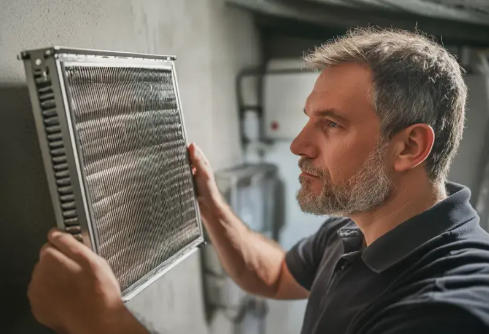
Even a well‑maintained Washable Air Filter will not last forever. Signs that replacement is due include torn or cracked media, broken or rusted frames, persistent stains that cannot be removed, or deformation that prevents the Washable Air Filter from fitting squarely in its slot.
If the system continues to show high pressure drop or poor air quality even after careful cleaning and drying, the internal structure of the Washable Air Filter may have deteriorated. Upgrading to a new Washable Air Filter with the same dimensions and compatible performance rating is usually the safest remedy.
Best Practices for Maximizing Service Life
To get the most from a Washable Air Filter:
- Follow the cleaning procedure consistently: dry debris removal, gentle rinsing, mild detergent if needed, final rinse, full drying, and careful reinstallation.
- Avoid aggressive tools, high‑pressure water, or harsh chemicals that can weaken the Washable Air Filter.
- Inspect seals and contact points so that the Washable Air Filter always sits firmly without leaks.
- Record cleaning dates and observed condition, especially in commercial or industrial settings, to build a maintenance history.
These practices help stabilize airflow, protect coils and ducts, and preserve energy efficiency across the entire HVAC or process system.
Conclusion
A Washable Air Filter is an effective and economical solution for maintaining clean air and protecting your equipment, provided that it is cleaned and handled correctly. By powering down equipment, removing the Washable Air Filter carefully, rinsing with low‑pressure water, applying mild detergent when necessary, and drying the filter completely before reinstallation, you safeguard both filtration performance and system reliability.
Establishing a regular inspection and cleaning schedule, recognizing the signs of damage, and understanding when to replace an aging Washable Air Filter allows you to enjoy long service life and stable indoor air quality. In both everyday and critical industrial environments, this disciplined approach to Washable Air Filter maintenance supports safer, more efficient operation.
FAQ
1. How do I know my filter is a Washable Air Filter?
A genuine Washable Air Filter is usually labeled as washable or reusable and is made from synthetic mesh, metal mesh, or layered media fixed in a sturdy frame. If the filter media looks like paper or thin fiberglass and the label refers to replacement only, it is not a Washable Air Filter and should be discarded rather than washed.
2. Can I use strong chemicals to speed up cleaning?
Strong solvents, bleach, and caustic cleaners should not be used on a Washable Air Filter because they can weaken adhesives, corrode metal parts, or distort plastic frames. A mild, pH‑neutral detergent is usually sufficient and preserves the long‑term integrity of the Washable Air Filter.
3. Is it safe to use hot water on a Washable Air Filter?
Very hot water can warp plastics or soften bonding agents in some Washable Air Filters, leading to deformation or delamination. Cool or lukewarm water is generally recommended, and the instructions supplied with the Washable Air Filter should always be followed for temperature limits.
4. Why does my Washable Air Filter smell after cleaning?
Odors after cleaning usually indicate that the Washable Air Filter was reinstalled before it was completely dry, allowing microbes to develop in damp areas. Removing the Washable Air Filter again, cleaning if necessary, and drying it thoroughly in a well‑ventilated place typically resolves the problem.
5. Can a Washable Air Filter improve energy efficiency?
When a Washable Air Filter is kept clean and fully dry, it maintains more stable airflow, which helps fans and blowers operate within their designed pressure range. This can reduce unnecessary energy consumption and mechanical stress, while a neglected, clogged Washable Air Filter tends to increase operating costs and shorten equipment life.
Citations:
[1](https://www.knglobalfiltration.com/how-to-clean-your-industrial-air-filter-2/)
[2](https://www.trane.com/residential/en/resources/blog/hvac-air-filter-maintenance-guide/)
[3](https://www.knfilters.com/cleaning)
[4](https://www.abestorm.com/blogs/news/how-to-clean-an-air-filter-step-by-step-guide)
[5](https://permatron.com/home-family-health/how-to-clean-washable-air-filters)
[6](https://www.parkershvac.com/blog/how-to-clean-electrostatic-air-filter/)
[7](https://www.facebook.com/groups/thedullclub/posts/2727109610827474/)
[8](https://smartairfilters.com/en/blog/how-to-clean-wash-hepa-filter/)
[9](https://www.homedepot.com/c/ah/how-to-clean-an-air-conditioner-filter/9ba683603be9fa5395fab908fabc607)


