Content Menu
● What is a HEPA Air Filter?
● Why Regular Replacement of HEPA Air Filters Matters
● How Often Should You Replace a HEPA Air Filter?
● Signs That Indicate It's Time to Replace Your HEPA Air Filter
● The Role of Everheal in Filter System Maintenance
● Factors That Influence HEPA Air Filter Lifespan
>> Air Quality
>> Operating Hours
>> Humidity and Temperature
>> Filter Design and Material
>> Maintenance Practices
● Recommended Maintenance Schedule
● Common Mistakes in HEPA Filter Management
● The Cost Efficiency of Timely Replacement
● Conclusion
● FAQ
>> 1. How do I know when my HEPA air filter needs replacing?
>> 2. Can I clean and reuse a HEPA air filter in pharmaceutical facilities?
>> 3. How often should HEPA air filters in cleanrooms be tested?
>> 4. Does pre-filtration affect HEPA filter life?
>> 5. What standards govern HEPA air filter performance?
In modern pharmaceutical and cleanroom environments, maintaining optimal air quality is essential. One of the most efficient tools for achieving this is the HEPA air filter, a critical component that ensures the removal of airborne contaminants, microorganisms, and particulates that can compromise sterile production conditions. For companies like Everheal, which designs and manufactures purification systems and equipment for pharmaceutical use, understanding the maintenance and replacement schedules of HEPA filters is central to ensuring compliance and product integrity.
This article provides a comprehensive view on how often to replace HEPA air filters, why timing matters, factors affecting their lifespan, and how to establish a maintenance plan that guarantees consistent performance in production facilities.
What is a HEPA Air Filter?
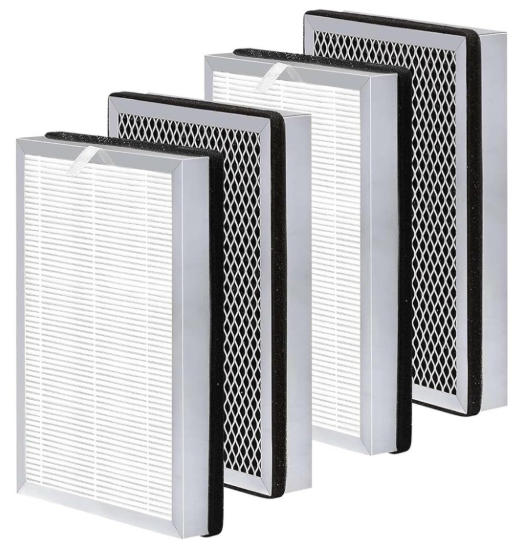
A HEPA (High Efficiency Particulate Air) filter is a pleated mechanical air filter designed to trap 99.97% of particles that are 0.3 microns or larger. These filters eliminate a wide range of airborne contaminants such as bacteria, dust, pollen, mold, and other harmful particulates. In pharmaceutical, biotechnology, and food industries, HEPA air filters are essential for maintaining sterile environments where contamination control is critical.
A HEPA air filter's effectiveness lies in its dense fiber structure, which captures micro-sized particles through diffusion, interception, and impaction mechanisms. However, over time, accumulation of particles reduces airflow and increases pressure drop, which directly affects equipment efficiency and cleanliness standards.
Why Regular Replacement of HEPA Air Filters Matters
HEPA air filters play a vital role in ensuring compliance with Good Manufacturing Practices (GMP) and ISO cleanroom standards. A clogged or degraded filter can lead to contaminated airflow, endangering product safety and manufacturing consistency. Regular replacement helps in:
- Maintaining consistent airflow and pressure balance in cleanroom environments.
- Ensuring compliant particulate counts according to ISO 14644 standards.
- Reducing energy consumption by preventing overworked air handling units (AHUs).
- Minimizing risks of microbiological contamination and equipment malfunction.
- Extending the lifespan of associated air systems by reducing mechanical stress.
For Everheal's range of pharmaceutical systems—like pure steam generators, water distillation units, and sterilization chambers—well-maintained HEPA air filters directly support reliable operation and validated system performance.
How Often Should You Replace a HEPA Air Filter?
The frequency of HEPA air filter replacement depends on several factors, including operational environment, air quality, load hours, and regulatory requirements. However, general industry standards suggest replacement should occur every 6 to 12 months for cleanrooms, and every 12 to 24 months for general industrial or HVAC use.
To determine the actual replacement interval, Everheal recommends considering these parameters:
1. Operating Environment – Facilities with higher particulate concentration (e.g., sterile filling rooms, powder handling zones) require more frequent replacements.
2. Pressure Drop Monitoring – When the pressure drop surpasses the manufacturer's recommended limit, it indicates excessive blockage.
3. Airflow Efficiency Tests – Regular airflow verification can show when the HEPA filter starts to lose performance efficiency.
4. Validation and GMP Protocols – For pharmaceutical manufacturing, filter replacement is often linked to process validation and audit schedules.
5. Filter Quality and Type – True HEPA filters (Class H13 or H14 per EN 1822) may last longer than sub-HEPA or medium-efficiency filters.
Signs That Indicate It's Time to Replace Your HEPA Air Filter
To maintain optimal performance, periodic inspection and testing should be part of the facility maintenance routine. Watch for the following warning signs:
- Increased differential pressure across the filter housing.
- Reduced airflow even when the fan operates normally.
- Visible dust accumulation at the filter edges or on equipment surfaces.
- Unusual noises or vibrations in the air system.
- Failed integrity test results (such as DOP or PAO leakage test).
Proactively replacing a HEPA air filter before these issues occur ensures that the environment remains within the required cleanliness class and that the production process stays uninterrupted.
The Role of Everheal in Filter System Maintenance
As a Chinese leader in pharmaceutical equipment solutions, Everheal not only supplies high-quality HEPA filtration systems but also provides customized facility design and system validation services. Whether upgrading a water purification plant or managing a sterile manufacturing suite, Everheal helps clients establish integrated air handling systems that include:
- Pre-filtration and final HEPA filtration design for cleanrooms.
- Periodic maintenance protocols tailored to each client's operating schedule.
- Validation and certification of installed filters to international standards.
- Training programs for maintenance teams on HEPA filter handling and installation.
Through this full-service approach, Everheal ensures client facilities achieve consistent ISO and GMP compliance, while minimizing operational downtime.
Factors That Influence HEPA Air Filter Lifespan
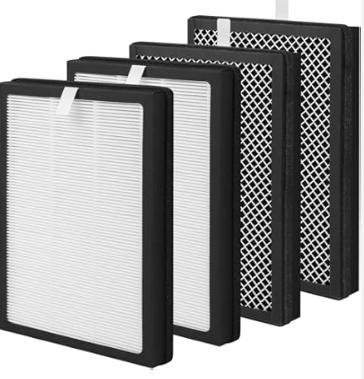
The service life of a HEPA air filter depends not only on time but also on environmental and operational conditions. Let's examine the key influencing factors:
Air Quality
The dirtier the incoming air, the faster a HEPA filter becomes loaded. Even with pre-filters installed, industrial or urban environments often contain residual dust or chemical vapors that accelerate filter degradation.
Operating Hours
Continuous or 24/7 operations shorten filter life compared with systems running intermittently. Facilities like pharmaceutical production plants typically need shorter replacement intervals to ensure sustained purity.
Humidity and Temperature
Excess moisture or temperature fluctuations may damage the filter media, reducing its structural integrity. Maintaining stable environmental control within air handling units prolongs filter performance.
Filter Design and Material
High-grade glass fiber or synthetic HEPA filters generally last longer and resist microbial growth better than lower-quality alternatives.
Maintenance Practices
Proper installation, sealing, leak testing, and sanitation routines significantly improve filter longevity. Everheal's engineering team provides specific SOPs (Standard Operating Procedures) to clients for these practices.
Recommended Maintenance Schedule
A strategic maintenance program maximizes HEPA filter efficiency while preventing contamination. Everheal suggests the following structured approach:
1. Monthly visual inspections to check seals and frames.
2. Quarterly pressure drop measurements to assess air resistance.
3. Biannual integrity testing (DOP/PAO tests).
4. Annual or biannual replacement, depending on environmental class and validation results.
5. Documentation and verification logs for ensuring GMP compliance.
Following this proactive maintenance plan secures uninterrupted operation and optimal cleanroom classification.
Common Mistakes in HEPA Filter Management
- Ignoring pressure drop data and relying solely on time-based replacement.
- Reusing old gaskets during installation, causing air bypass.
- Using incompatible filter sizes or grades that fail to meet cleanroom requirements.
- Lack of periodic integrity testing, which can allow contamination unnoticed.
- Inadequate training on proper handling and installation, leading to premature filter damage.
By avoiding these pitfalls, pharmaceutical operators can significantly extend equipment longevity and minimize contamination risk.
The Cost Efficiency of Timely Replacement
Although replacing HEPA air filters may seem costly, it is far less expensive than repairing contamination-related damage or failing an audit. Energy savings also offset replacement costs—clean filters allow air handling units to consume less power due to reduced resistance. Efficient filtration directly translates into reduced operational expenses over time.
From Everheal's experience, preventive replacement schedules consistently lower total life-cycle costs of filtration systems in cleanroom facilities.
Conclusion
Replacing a HEPA air filter at the right time is not just a maintenance task—it's a core aspect of operational integrity, product quality, and regulatory compliance. For pharmaceutical plants, laboratories, and sterile manufacturing facilities, a well-designed filter replacement strategy can define the difference between audit success and production downtime.
Everheal remains dedicated to delivering innovative filtration and sterilization solutions that help clients maintain uncompromised air quality standards. By combining advanced equipment with expert maintenance planning, Everheal ensures that every system operates efficiently, safely, and in full compliance with international cleanliness requirements.
FAQ
1. How do I know when my HEPA air filter needs replacing?
Monitor differential pressure gauges, test airflow velocity, and perform integrity tests. If pressure exceeds recommended limits or leak tests fail, it's time to replace the filter.
2. Can I clean and reuse a HEPA air filter in pharmaceutical facilities?
No. In critical pharmaceutical environments, reusing HEPA filters is not allowed due to contamination risks. Always install a new, validated filter.
3. How often should HEPA air filters in cleanrooms be tested?
Cleanroom HEPA filters should undergo integrity testing at least every six months or after any maintenance activities that could disturb the filtration system.
4. Does pre-filtration affect HEPA filter life?
Yes. A proper pre-filtration system significantly extends HEPA lifespan by capturing larger particles and reducing dust loading on the primary filter.
5. What standards govern HEPA air filter performance?
HEPA filters used in pharmaceutical facilities must comply with EN 1822 (Europe) or IEST RP-CC001 (USA) standards, ensuring high efficiency and validated performance.


