Content Menu
● What Is A Banana Bag?
● Typical Composition Of The Infusion Bag
● How Fast Can A Banana Bag Run?
● Factors That Determine Infusion Speed
● Outpatient And Wellness Infusion Scenarios
● Hospital And ICU Infusion Practices
● Ingredient‑Driven Limits On Infusion Rate
● Clinical Benefits Of Banana Bag Infusion
● Safety Considerations During Infusion
● From Hospital Origins To Wellness Trend
● Designing Infusion Bag Production Lines (Everheal Perspective)
● Process Flow For Banana Bag Infusion Bag Manufacturing
● How Infusion Speed Affects Patient Experience
● Practical Tips For Clinicians And Buyers
● Conclusion
● FAQ
>> 1) How fast can a banana bag be safely infused?
>> 2) Why do some hospitals give thiamine separately from the banana bag?
>> 3) Who is a good candidate for a fast 45–60 minute infusion?
>> 4) Can a banana bag replace eating and oral vitamins?
>> 5) What equipment is needed to produce banana bag Infusion Bags?
● Citations:
A banana bag is usually infused over 45–60 minutes in healthy outpatients, but hospital patients may receive the same infusion bag over 1–24 hours depending on their condition and the exact formulation. The safest infusion speed always depends on the patient's cardiovascular status, kidney function, and the specific contents of the Infusion Bag.[2][3][8]
What Is A Banana Bag?
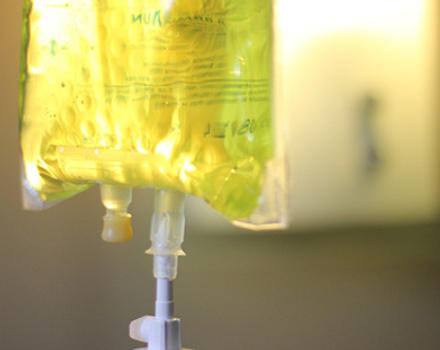
A banana bag is an intravenous Infusion Bag containing fluids, vitamins, and minerals, classically thiamine, folic acid, magnesium sulfate, and a multivitamin, which give the solution a bright yellow color. It is widely used in hospitals and wellness clinics to treat dehydration, nutritional deficiencies, and symptoms related to alcohol use, hangovers, or intense physical stress.[6][7][8][9][11]
Typical Composition Of The Infusion Bag
Most banana bag formulas use 1 liter of normal saline or lactated Ringer's as the base, with additives such as 100–500 mg thiamine, 1 mg folic acid, 1–3 g magnesium sulfate, and a multivitamin for infusion. Some modern Infusion Bag recipes add vitamin C, vitamin B12, or other micronutrients for immune or energy support, especially in wellness settings.[1][4][7][8][11]
How Fast Can A Banana Bag Run?
In healthy adults receiving IV therapy for wellness, hangovers, or jet lag, a 1‑liter banana bag Infusion Bag is commonly infused over about 45–60 minutes. In hospital or ICU settings, the same Infusion Bag may run over 1–4 hours on the ward or up to 24 hours in critically ill patients to reduce fluid and electrolyte risks.[3][4][7][8][2][6]
Factors That Determine Infusion Speed
Several clinical and technical factors influence how fast clinicians can safely infuse a banana bag Infusion Bag. Key considerations include:[2][3]
- Patient's cardiovascular function and risk of fluid overload (heart failure, older age, low ejection fraction)
- Renal function and ability to handle sodium and magnesium loads
- Presence of hypotension, sepsis, or shock requiring tight hemodynamic control
- Venous access quality (small peripheral cannula vs central line)
- Specific concentration of magnesium, thiamine, and other actives inside the Infusion Bag
Because of these variables, protocols usually define a standard rate (for example, 1 liter over 4 hours) with flexibility to slow the Infusion Bag further in high‑risk patients.[8][2]
Outpatient And Wellness Infusion Scenarios
In wellness clinics and mobile IV businesses, banana bag IV therapy is marketed for rapid recovery from hangovers, intense exercise, long flights, or general fatigue. These services typically infuse a 1‑liter banana bag Infusion Bag within 45–60 minutes, with many clients reporting improvement in 30–90 minutes.[4][7][10][1][3][6]
During these sessions, clinicians insert a peripheral IV line, connect the Infusion Bag to a drip set or pump, and monitor vital signs and comfort throughout the infusion. Patients are generally low‑risk and medically screened in advance, so faster rates are acceptable under supervision if no adverse symptoms appear.[5][7][1][6]
Hospital And ICU Infusion Practices
In hospitals, banana bag Infusion Bags are used for patients at risk of Wernicke's encephalopathy, malnutrition, severe dehydration, or alcohol withdrawal. These patients often have comorbidities such as liver disease, heart failure, or renal dysfunction, so infusion rates are more conservative.[9][12][13][2]
Common patterns include:
- General ward: 1 liter Infusion Bag over 2–4 hours
- Higher‑risk or elderly patients: 1 liter over 4–8 hours
- Critical care: multivitamins in 1 liter infused over up to 24 hours, with higher‑dose thiamine given separately
Clinical reviews have highlighted that classic banana bag protocols may underdose thiamine for ICU patients, leading many centers to give 200–500 mg IV thiamine every 8 hours separately from the multivitamin Infusion Bag.[12][13][14][8]
Ingredient‑Driven Limits On Infusion Rate
The maximum safe speed of a banana bag is not just about fluid volume; it also depends on the concentration and pharmacology of components inside the Infusion Bag.[8][2]
- Thiamine: High doses are often delivered by slow IV push or separate infusion to reduce injection‑site pain and potential hemodynamic effects, while the multivitamin Infusion Bag can run at a moderate rate.[14][12][8]
- Magnesium sulfate: Several grams in a liter require controlled infusion to avoid flushing, hypotension, and arrhythmias; this often leads to slower Infusion Bag rates or separate magnesium infusions in critical care.[7][2]
- Multivitamins: Commercial multivitamin‑for‑infusion products have maximum recommended infusion rates that indirectly cap the banana bag rate once diluted into the Infusion Bag.[2][8]
In practice, if ingredient concentrations are higher than typical, nurses may extend the infusion time, so the same Infusion Bag runs significantly slower than a wellness‑clinic bag.[12][2]
Clinical Benefits Of Banana Bag Infusion
When delivered safely, a banana bag Infusion Bag offers several benefits:
- Rapid rehydration and restoration of circulating volume in dehydrated patients
- Immediate delivery of thiamine and folate to support cellular metabolism and neurological protection
- Correction of electrolyte disturbances, especially magnesium, that influence muscle and cardiac function
- Bypass of the gastrointestinal tract, critical when vomiting, diarrhea, or malabsorption are present[1][4][7][2]
These advantages explain why banana bag Infusion Bags are used both in emergency departments and as elective wellness treatments.[10][6][9][1]
Safety Considerations During Infusion
Safety is central when deciding how fast an Infusion Bag should run. Good practice usually includes:[3][7][2]
- Pre‑infusion assessment of blood pressure, heart rate, and relevant history
- Selection of an appropriate Infusion Bag rate based on risk level (for example, 250–500 mL/hour vs 100 mL/hour)
- Continuous or periodic monitoring of vitals, infusion site, and patient symptoms
- Readiness to slow, pause, or stop the Infusion Bag if hypotension, chest discomfort, dyspnea, or flushing occurs
In home and mobile settings, protocols emphasize trained staff, emergency plans, and clear inclusion/exclusion criteria before starting a banana bag Infusion Bag.[6][7][1]
From Hospital Origins To Wellness Trend
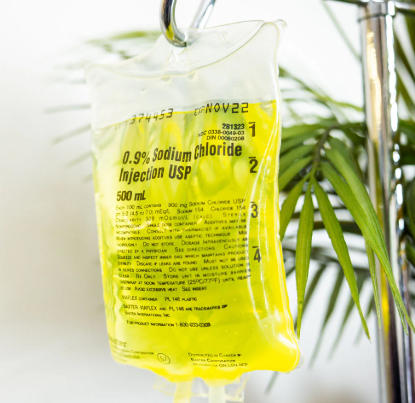
Historically, banana bag Infusion Bags were designed for hospitalized patients with chronic alcohol use and severe micronutrient deficiency. Over time, the same concept migrated into wellness and concierge medicine, where Infusion Bags became customizable cocktails for recovery and performance.[13][4][9][10][1][8]
Despite this shift, the underlying pharmacology remains the same: water‑soluble vitamins and electrolytes delivered intravenously for near‑100% bioavailability. This continuity means the same principles that protect fragile inpatients—careful dosing, appropriate Infusion Bag rates, and monitoring—should also guide “lifestyle” banana bag sessions.[4][1][6][8][12][2]
Designing Infusion Bag Production Lines (Everheal Perspective)
For pharmaceutical and medical facilities, banana bag therapy creates demand for robust Infusion Bag manufacturing systems. Everheal's core equipment portfolio—purified water generation, pure steam generators, multifunction distillers, liquid filling and sealing machines, and sterilization systems—supports turnkey IV solution and Infusion Bag production lines.
A typical Infusion Bag line for banana bag products can integrate:
- Purified water preparation and storage systems linked to sterile mixing tanks
- Automated dosing systems for thiamine, folic acid, magnesium, and multivitamins with in‑line verification
- CIP/SIP and pure‑steam sterilization to ensure aseptic processing of every Infusion Bag
- High‑precision liquid filling and heat‑sealing machines for flexible Infusion Bag formats
- Terminal sterilizers and quarantine/storage areas meeting GMP and pharmacopoeia requirements
By combining factory layout planning with process equipment, Everheal can help clients design IV rooms and Infusion Bag workshops that support consistent banana bag quality and accurate component dosing.
Process Flow For Banana Bag Infusion Bag Manufacturing
A well‑engineered banana bag Infusion Bag plant typically follows these steps:
1. Water treatment: Raw water is purified via reverse osmosis and polishing to pharmaceutical‑grade specifications.
2. Solution preparation: Vitamins and electrolytes are dissolved and mixed in stainless‑steel tanks under validated controls.
3. Filtration: The solution passes through fine filters before filling to remove particulates and protect downstream equipment.
4. Infusion Bag forming and filling: Film is formed or pre‑made bags are supplied, then each Infusion Bag is filled with a defined volume and sealed.
5. Sterilization: Terminal sterilization or aseptic filling (with pre‑sterilized Infusion Bags) ensures sterility before release.
6. Inspection and packaging: Each Infusion Bag is visually inspected, checked for leaks, labeled, and packed for distribution.
This integrated approach reduces contamination risk, stabilizes product quality, and supports reliable banana bag Infusion Bag supply for hospitals and wellness providers.
How Infusion Speed Affects Patient Experience
The infusion speed directly shapes the subjective experience of a banana bag.[7][1][3][6]
- Faster Infusion Bag (≈45–60 minutes): Common in wellness clinics; patients feel quicker relief but need close observation for discomfort or flushing.
- Moderate Infusion Bag (2–4 hours): Typical on hospital wards, balancing timely correction of deficits with hemodynamic stability.
- Slow Infusion Bag (4–24 hours): Reserved for fragile patients in ICUs or those with severe cardiopulmonary or renal compromise.
In all three scenarios, careful titration of the Infusion Bag rate can improve comfort and minimize side effects while preserving efficacy.
Practical Tips For Clinicians And Buyers
For clinicians and service providers:
- Avoid standardizing a single “fast” rate for every banana bag Infusion Bag; build risk‑stratified protocols.
- Ensure staff understand ingredient‑specific constraints, especially for magnesium and high‑dose thiamine.
- Use infusion pumps for precise control when running Infusion Bags over many hours or in unstable patients.
For buyers and project owners:
- When planning a new IV therapy unit or factory, clarify whether your portfolio will include banana bag Infusion Bags, hydration bags, or multi‑formula lines.
- Select flexible filling and sealing systems that can handle different Infusion Bag volumes (for example, 250, 500, and 1,000 mL).
- Integrate purified water, pure steam, sterilization, and filling systems from the outset to minimize redesign and revalidation later.
Conclusion
A banana bag can be infused quite quickly—often 45–60 minutes for a 1‑liter Infusion Bag in low‑risk wellness patients—but hospital practice shows that rates from 1 hour up to 24 hours may be safer for patients with complex medical problems. The optimal infusion speed always reflects the patient's condition, the specific vitamin and electrolyte profile of the Infusion Bag, and the clinical environment, and modern practice increasingly separates high‑dose thiamine from the classic banana bag to improve neurological protection.[14][3][4][8][12][2]
FAQ
1) How fast can a banana bag be safely infused?
In healthy adults receiving wellness IV therapy, a typical 1‑liter banana bag Infusion Bag usually runs over 45–60 minutes under professional supervision. In hospitalized or high‑risk patients, clinicians often slow the same Infusion Bag to several hours, and in ICUs it may infuse over 24 hours to avoid fluid overload and electrolyte‑related complications.[3][4][6][7][8][2]
2) Why do some hospitals give thiamine separately from the banana bag?
Evidence suggests that the traditional 100 mg thiamine inside a banana bag Infusion Bag may be inadequate for patients at high risk of Wernicke's encephalopathy or severe malnutrition. Many centers now give 200–500 mg IV thiamine every 8 hours separately, while using the Infusion Bag mainly for fluids, folate, magnesium, and multivitamins.[13][8][12][14]
3) Who is a good candidate for a fast 45–60 minute infusion?
Patients with normal heart and kidney function, stable vital signs, and no major comorbidities are better candidates for a faster banana bag Infusion Bag, especially in wellness or outpatient settings. Even in these cases, proper screening and continuous monitoring are essential to promptly detect any adverse reaction during the infusion.[1][6][7][3]
4) Can a banana bag replace eating and oral vitamins?
A banana bag Infusion Bag can quickly correct acute deficiencies and dehydration but does not replace long‑term nutrition and oral supplementation. Sustainable health still depends on adequate diet, ongoing vitamin intake as needed, and addressing underlying medical or lifestyle causes of deficiency.[4][7][8][1][2]
5) What equipment is needed to produce banana bag Infusion Bags?
Manufacturing banana bag Infusion Bags at scale requires pharmaceutical‑grade purified water systems, solution preparation tanks, filtration, pure steam and sterilization equipment, and automated liquid filling and sealing machines for Infusion Bag formats. These systems are integrated into a validated factory layout that supports aseptic processing, clean utilities, and consistent quality control in line with GMP and pharmacopoeial standards.[8][2]
Citations:
[1](https://www.revivemobileivs.com/banana-bag-iv-therapy)
[2](https://www.ncbi.nlm.nih.gov/books/NBK567072/)
[3](https://www.azivmedics.com/banana-bag-iv-rates-finding-your-perfect-flow)
[4](https://www.pureivnevada.com/whats-in-a-banana-bag)
[5](https://www.biomedmobileiv.com/a-quick-start-guide-to-what-s-in-a-banana-bag-iv)
[6](https://mobileivnurses.com/blog/what-is-a-banana-bag-iv/)
[7](https://freerx.com/Blog/Details?s=Banana-Bag-IV)
[8](https://www.merckmanuals.com/professional/special-subjects/dietary-supplements/intravenous-vitamin-therapy-myers-cocktail)
[9](https://www.pharmacytimes.com/view/whats-a-banana-bag)
[10](https://www.hydrateyouiv.com/drip-your-way-to-health-the-ultimate-guide-to-iv-vitamin-infusions)
[11](https://en.wikipedia.org/wiki/Banana_bag)
[12](https://med.virginia.edu/ginutrition/wp-content/uploads/sites/199/2021/06/Alcohol-Withdrawal-June-2021.pdf)
[13](https://www.sciencedirect.com/science/article/abs/pii/S0736467998000079)
[14](https://scholarlyworks.lvhn.org/cgi/viewcontent.cgi?article=1035&context=toxicology)


