Content Menu
● How CPAP Humidifiers Work
● Do CPAP Machines Require Distilled Water?
● Why Distilled Water Is Preferred
● Risks of Using Tap or Bottled Water
● Can CPAP Machines Run Without Water?
● Distillation Water Machines and CPAP Hygiene
● Long‑Term Impact on CPAP Equipment
● Cleaning, Maintenance, and Water Quality
● What If Distilled Water Is Not Available?
● Everheal's Role in CPAP Water Quality
● Broader Benefits of Using a Distillation Water Machine
● Conclusion
● FAQ About Distilled Water and CPAP
>> 1. Do all CPAP machines require distilled water?
>> 2. Is it safe to use tap water in a CPAP humidifier?
>> 3. Can I use purified or bottled water instead of distilled water?
>> 4. What happens if I use my CPAP without water?
>> 5. Why should clinics or hospitals install a Distillation Water Machine for CPAP use?
CPAP therapy has transformed the lives of people with sleep apnea, but many users are unsure what kind of water should go into the humidifier chamber. Most modern CPAP machines recommend or require distilled water in the humidifier to protect both the device and the user's health. For patients, caregivers, and healthcare facilities, investing in a reliable Distillation Water Machine is one of the most efficient ways to ensure a stable supply of high‑purity water for CPAP use.
Continuous Positive Airway Pressure devices are medical equipment, and any water they aerosolize will be inhaled directly into the respiratory system. That is why water quality is not just a technical detail—it is an essential safety factor. Distilled water produced by a professional Distillation Water Machine minimizes impurities, reduces scaling inside the tank, and helps maintain consistent humidification performance night after night.
How CPAP Humidifiers Work
CPAP machines maintain a constant flow of pressurized air to keep the airway open during sleep. When this air is dry, it can irritate the nose, throat, and lungs, which is why many devices include a built‑in or optional humidifier. The humidifier warms the water and adds moisture to the airflow, making therapy more comfortable and easier to tolerate over the long term.
Inside a typical CPAP humidifier, the chamber is filled to a marked line with water. A heating plate beneath the chamber raises the temperature, allowing some of the water to evaporate into the passing air stream. Sensors and control algorithms regulate temperature and humidity output to match the user's settings and room conditions. If the water contains minerals or contaminants, they can deposit on these internal surfaces and interfere with accurate control.
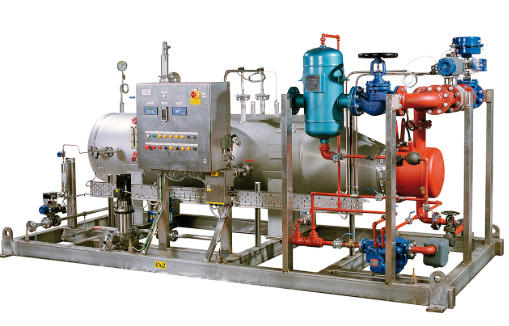
Because the air from the humidifier flows directly into the mask and airway, the quality of water in the chamber directly affects what the patient inhales. In addition to erosion or scaling of components, impurities may promote microbial growth in warm, moist spaces such as the chamber, tubing, and mask. That is why distilled water produced by a Distillation Water Machine is the preferred choice for long‑term respiratory use.
Do CPAP Machines Require Distilled Water?
From a mechanical standpoint, most CPAP machines do not “require” water in order to generate airflow. However, when a humidifier is in use, manufacturers overwhelmingly recommend distilled water. The user manuals of many leading CPAP brands explicitly state that distilled water should be used to prevent mineral deposits, contamination, and damage to the humidifier.
Distilled water is virtually free of minerals, microbes, and chemical additives, making it safer for repeated inhalation than regular tap water. Clinical guidance from sleep professionals also supports this recommendation, noting that the combination of heat and moisture in CPAP devices can concentrate impurities if impure water is used. Over time, these deposits not only harm the device but may also increase the risk of irritation and infection for users.
For hospitals, sleep centers, and large clinics, an on‑site Distillation Water Machine offers a controlled and traceable water supply that aligns with medical‑grade hygiene standards. Instead of relying on small bottled supplies, facilities can generate consistent, high‑purity distilled water that is available at central stations or routed directly to designated points of use.
Why Distilled Water Is Preferred
Distilled water is produced through a simple but powerful principle. Water is boiled, the generated steam is captured, and then the steam is condensed back into a liquid. Most dissolved minerals, heavy metals, and contaminants do not evaporate with the steam and are left behind in the boiling chamber. The result is a highly purified water with extremely low conductivity and minimal chemical content.
This level of purity is the reason distilled water is widely used in laboratories, hospitals, and pharmaceutical production lines. When CPAP users fill their humidifiers with distilled water from a dedicated Distillation Water Machine, they gain several concrete advantages:
- Mineral buildup and scaling inside the humidifier tub are dramatically reduced.
- The warm, moist environment inside the chamber is less likely to support microbial growth.
- Heating plates and sensors remain cleaner for longer, improving humidity control.
- The CPAP device maintains more stable performance across months and years of use.
In addition, distilled water has more predictable physical properties, which can help devices that rely on temperature and humidity sensors to deliver a comfortable therapy level. By minimizing interference from dissolved solids, the system can deliver humidity closer to the prescribed setting.
Risks of Using Tap or Bottled Water
Many CPAP users assume that if tap water is safe for drinking, it should be safe for humidifiers as well. However, the way CPAP humidifiers use water is very different from ordinary drinking. Municipal tap water may contain dissolved minerals (like calcium and magnesium), trace metals, disinfectants such as chlorine or chloramine, and residual organic matter. These substances can be problematic when the water is heated and aerosolized night after night.
Using tap or mineral water in a CPAP humidifier can lead to several serious issues:
- Mineral deposits: As water evaporates, minerals remain behind and form hard, white scale on the humidifier tub, heating plate, and sometimes tubing. This can cloud the plastic, roughen surfaces, and damage sealing areas.
- Microbial growth: Rough, porous, or scaled surfaces give bacteria and fungi more places to adhere. In the warm and humid environment of a CPAP system, this encourages biofilm formation.
- Respiratory exposure: When contaminated water is turned into fine droplets or vapor, users may inhale residual chemicals or microbes. This can contribute to airway irritation, allergic reactions, or respiratory infection, especially in people with weakened immunity.
Even some bottled or “purified” waters can contain minerals or additives that cause scale in the long term. For occasional emergency use, they may be acceptable, but they are not ideal for continuous therapy. For long‑term CPAP use, institutions benefit from installing an industrial Distillation Water Machine instead of relying on inconsistent bottled water supplies. Such systems consistently remove dissolved solids and support strict infection‑control protocols.
Can CPAP Machines Run Without Water?
Technically, most CPAP machines can operate without any water in the humidifier. The pressurized airflow is produced by the blower motor, not the water. Many devices include a mode that allows users to turn off or bypass the humidifier module while the machine continues to deliver the prescribed pressure.
However, running CPAP therapy without humidification often leads to side effects, especially in dry climates, heated rooms in winter, or air‑conditioned environments. Common complaints include:
- Dry mouth and throat after a few hours of sleep.
- Nasal irritation, congestion, or nosebleeds.
- A feeling of “burning” in the nose or chest due to very dry air.
In mild or highly humid environments, some users may tolerate therapy without humidification. But for many people, especially those at higher pressures or with sensitive mucosa, adding moisture significantly improves comfort and adherence. For patients who find humidification essential, having a dedicated Distillation Water Machine on‑site ensures that pure water is always available, preventing the need to compromise therapy due to a lack of distilled water.
Distillation Water Machines and CPAP Hygiene
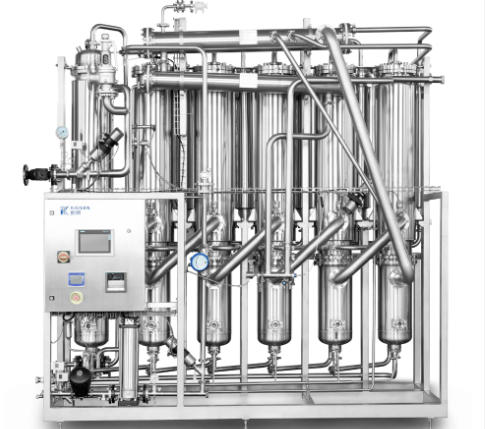
In medical and pharmaceutical environments, a Distillation Water Machine is a critical part of the overall water treatment strategy. These systems continuously convert feed water into high‑purity distilled water suitable for applications such as injection‑grade solutions, equipment cleaning, sterilization support, and respiratory care humidification.
When integrated into CPAP service workflows, distilled‑water production supports:
- Centralized supply of CPAP‑grade water for sleep labs, hospital wards, and home‑care programs.
- Reduced dependence on single‑use plastic bottles and variable commercial water brands.
- Easier compliance with internal quality‑control and documentation standards for medical devices and accessories.
A well‑engineered Distillation Water Machine can be combined with upstream pretreatment (such as reverse osmosis and deionization) and downstream storage and distribution loops to guarantee stable quality. Automation, monitoring of conductivity and TOC (total organic carbon), and validated cleaning cycles help ensure that the produced distilled water remains within tightly controlled limits suitable for pharmaceutical and respiratory use.
Long‑Term Impact on CPAP Equipment
Water quality has a major influence on how long CPAP components last. If the humidifier tub regularly contacts hard water, mineral scale accumulates, clouding the plastic and sometimes physically deforming it under repeated heating and cooling. Over time, scale can also interfere with heating elements, temperature sensors, and silicone seals, causing inconsistent humidification and potential leaks.
By contrast, using distilled water from a stable Distillation Water Machine drastically slows down this wear. The benefits include:
- Longer replacement intervals for humidifier tanks and tubing.
- Fewer device failures or service calls related to internal scaling or contamination.
- Predictable cleaning routines that do not require aggressive descaling agents.
- Better preservation of transparent walls, making visual inspection easier and more reliable.
For institutions that manage large fleets of CPAP devices, preserving equipment with distilled water translates directly into lower lifecycle costs and higher uptime. A centralized Distillation Water Machine solution supports these cost‑saving goals while maintaining consistent water quality across all departments that rely on humidified respiratory devices.
Cleaning, Maintenance, and Water Quality
Even when using distilled water, CPAP components still require regular cleaning. Saliva, nasal secretions, and environmental dust can accumulate in the mask and tubing, independent of water purity. However, distilled water substantially simplifies maintenance because there is no mineral residue to remove.
Basic cleaning recommendations usually include:
- Emptying the humidifier chamber every morning and letting it air‑dry.
- Rinsing the chamber with clean distilled water and occasionally washing it with mild, non‑scented detergent.
- Replacing the humidifier tub, mask, and tubing according to the manufacturer's recommended schedule.
When tap water is used, cleaning must be more aggressive and frequent to prevent scaling. Strong descaling agents can damage plastics and seals over time and may leave residues if not thoroughly rinsed. By using distilled water produced from a Distillation Water Machine, users and caregivers can rely on milder procedures that protect materials while keeping the system hygienic.
What If Distilled Water Is Not Available?
In everyday life, CPAP users sometimes travel, encounter emergencies, or stay in remote areas where distilled water is hard to find. In these cases, decisions need to balance short‑term practicality with long‑term device protection and health.
When distilled water cannot be obtained, the following strategies are often suggested:
- Temporarily run the CPAP machine without humidification if the climate allows it and the user can tolerate it.
- If an alternative water source must be used for a night or two, choose the cleanest, lowest‑mineral option available (such as certain low‑mineral bottled waters).
- Clean, empty, and thoroughly dry the humidifier as soon as distilled water becomes available again.
Boiling tap water improves microbiological safety but does not remove dissolved minerals, so it does not prevent scale formation. For this reason, boiled tap water should still be viewed as a temporary last resort rather than a long‑term solution.
For hospitals, home‑care providers, and medical distributors, installing a Distillation Water Machine greatly reduces the likelihood of such compromises. With an in‑house source of distilled water, CPAP users and staff can rely on consistent quality every day, without having to search for retail supplies or improvise during shortages.
Everheal's Role in CPAP Water Quality
Everheal is a China‑based pharmaceutical equipment manufacturer specializing in purified‑water systems, pure‑steam generators, multifunctional distilled‑water equipment, liquid filling and sealing machines, and sterilization systems. These technologies are designed in line with GMP concepts and can be configured to support both high‑volume pharmaceutical production and auxiliary medical needs such as CPAP humidification water.
By providing complete solutions that include design, fabrication, installation, and validation, Everheal helps customers build integrated clean‑utility systems. A Distillation Water Machine from Everheal can be combined with pure‑steam generators and purified‑water preparation units to serve multiple endpoints in a factory or hospital. This allows CPAP water stations, clean‑room processes, and pharmaceutical production lines to share a robust water infrastructure.
Through customized factory‑layout planning and turnkey production‑line solutions, Everheal supports clients who want to centralize control over water quality. Instead of relying on fragmented bottled supplies, centralized distilled water generation improves safety, reduces waste, and enhances traceability. For sleep clinics and respiratory departments, this means that CPAP machines always have access to reliable, pharmaceutical‑grade distilled water.
Broader Benefits of Using a Distillation Water Machine
Although CPAP humidifiers are a specific application, the advantages of installing a Distillation Water Machine extend well beyond sleep‑therapy equipment. In medical and life‑science environments, distilled water is needed for:
- Preparation of certain medications and diagnostic reagents.
- Cleaning and rinsing of surgical instruments before sterilization.
- Feedwater for autoclaves and washer‑disinfectors.
- Laboratory tests that require low‑conductivity water.
By consolidating all these needs into a single, well‑designed Distillation Water Machine system, facilities can standardize quality, simplify maintenance, and reduce procurement complexity. The same infrastructure that secures CPAP humidification water also reinforces the safety and consistency of other critical operations.
For industrial and pharmaceutical customers, Everheal can configure multi‑effect distillers, storage tanks, and loop distribution systems that integrate seamlessly into existing buildings and utility grids. With proper design and control, one Distillation Water Machine installation can support both large‑volume production and specialized respiratory‑care applications like CPAP.
Conclusion
CPAP machines do not technically need water in order to deliver therapeutic air pressure, but they do need high‑quality distilled water whenever the humidifier is used. Distilled water prevents mineral scaling, reduces contamination risks, and supports comfortable, effective long‑term therapy. Using anything less pure—such as tap, mineral, or improperly treated water—can damage equipment and expose users to unnecessary health risks.
For patients, sleep clinics, hospitals, and home‑care providers, a robust Distillation Water Machine is the most reliable way to provide a continuous supply of high‑purity water for CPAP devices. By integrating distilled‑water production into a broader pharmaceutical or medical water system, organizations can protect equipment, safeguard patients, and simplify compliance with hygiene standards. Everheal's expertise in pharmaceutical water treatment and turnkey solutions makes it an ideal partner for facilities that want to raise their CPAP water quality to a professional, validated level.
FAQ About Distilled Water and CPAP
1. Do all CPAP machines require distilled water?
Not every CPAP machine will immediately fail if another type of water is used, but manufacturers overwhelmingly recommend distilled water in any built‑in or external humidifier. Distilled water minimizes mineral deposits, reduces contamination risk, and supports consistent humidification over time. For regular therapy, using distilled water—ideally produced by a professional Distillation Water Machine—is the safest and most economical choice.
2. Is it safe to use tap water in a CPAP humidifier?
Tap water is not recommended for ongoing use in CPAP humidifiers. It often contains dissolved minerals, disinfectants, and traces of microorganisms that become concentrated as water evaporates, leading to scale and potential microbial growth. Short‑term use in emergencies may be unavoidable, but the humidifier should be cleaned promptly, and therapy should return to distilled water as soon as possible.
3. Can I use purified or bottled water instead of distilled water?
Some purified or bottled waters remove certain contaminants but still contain enough minerals to cause scaling over time. They can sometimes be used as a temporary backup if distilled water is not available, especially for travel or short‑term situations. However, they are not a complete replacement for true distilled water and should not be used as the default choice for CPAP therapy. Water supplied by a verified Distillation Water Machine remains the best long‑term option.
4. What happens if I use my CPAP without water?
Most CPAP machines can function without water, but the air will be dry, which may cause dry mouth, nasal irritation, or congestion in many users. In some climates and for some individuals, this may be tolerable. In others, it can severely affect comfort and adherence to therapy. If distilled water is temporarily unavailable, it may be better to use the CPAP with the humidifier off rather than inhaling potential contaminants, then resume humidified therapy once distilled water is available again.
5. Why should clinics or hospitals install a Distillation Water Machine for CPAP use?
Clinics and hospitals often manage many CPAP devices, nebulizers, and other humidification‑dependent equipment. Relying on retail distilled water bottles is costly, logistically complex, and environmentally unsustainable. Installing a centralized Distillation Water Machine provides a continuous, controlled supply of distilled water that can serve CPAP therapy, sterilization processes, and pharmaceutical production simultaneously. This approach improves safety, reduces waste, simplifies documentation, and lowers long‑term operating costs.


