Content Menu
● Regulatory Landscape: When Is DTC Allowed?
● What Are Pharmaceutical Consumables?
● Can Pharmaceutical Consumables Be Delivered to Consumers?
● Role of Everheal in the DTC Era
● Typical DTC Delivery Models
● Quality, Safety, and GMP Compliance
● Logistics and Cold‑Chain Considerations
● Enhancing Patient Experience and Adherence
● Recommended Visual Sections for the Article
● Conclusion
● FAQ
>> 1. What does direct‑to‑consumer pharmaceutical delivery mean?
>> 2. Are all pharmaceuticals eligible for DTC delivery?
>> 3. How do pharmaceutical consumables support DTC models?
>> 4. What is Everheal's role in DTC‑ready infrastructure?
>> 5. Why are pure water and pure steam systems so important for pharmaceutical consumables?
● Citations:
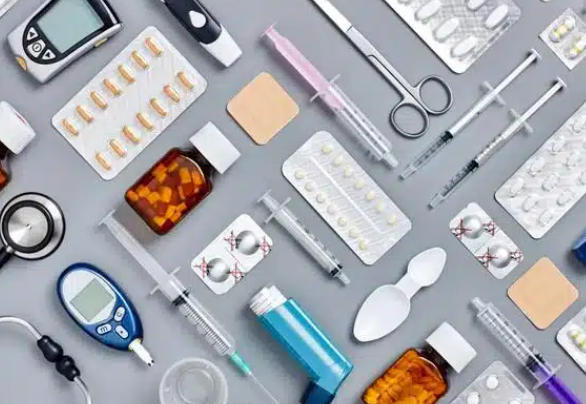
Direct‑to‑consumer (DTC) pharmaceuticals refers to distribution and service models where patients obtain medicines or related pharmaceutical consumables without physically visiting a traditional brick‑and‑mortar pharmacy counter. These models can include mail‑order pharmacies, online platforms, subscription services, and home‑delivery programs integrated with hospitals and insurers.[5][4][1]
While many over‑the‑counter (OTC) products and low‑risk pharmaceutical consumables are widely available for home delivery, prescription drugs remain heavily regulated and typically require a valid prescription, pharmacist oversight, and traceable logistics. Even for apparently simple consumables such as syringes, IV sets, or drug‑delivery disposables, regulators focus on product traceability, sterility, and patient safety in home settings.[6][7][8][9]
Regulatory Landscape: When Is DTC Allowed?
DTC delivery is never just a commercial decision; it is fundamentally a regulatory question governed by national health authorities and professional boards. In the United States, for example, prescription drug advertising and many aspects of DTC programs are overseen by the FDA and other agencies, which now scrutinize both marketing content and the way products reach patients.[10][11][12][4][5]
Key regulatory themes affecting DTC delivery include:
- Licensing and supervision of online and mail‑order pharmacies at state or national level.[4]
- Requirements for “fair balance” of benefits and risks in any DTC pharmaceutical communication, especially when prescription products and related pharmaceutical consumables are promoted online.[13][7][10]
- Anti‑kickback and fraud‑and‑abuse rules, which restrict financial incentives in DTC programs tied to reimbursed drugs.[12][1]
For manufacturers of pharmaceutical consumables and production equipment, understanding these frameworks is essential when designing production lines, packaging formats, and data systems that support compliant DTC supply chains.[9][3]
What Are Pharmaceutical Consumables?
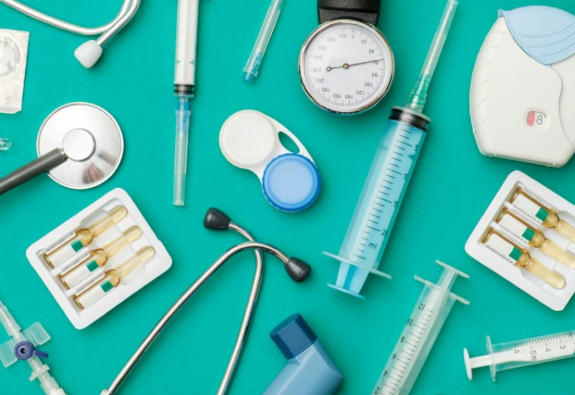
Pharmaceutical consumables are single‑use or short‑term‑use products that support drug manufacturing, packaging, storage, administration, and monitoring across the pharmaceutical value chain. They can include items such as sterile filters, tubing, vials, stoppers, syringes, infusion sets, rubber stoppers, sampling bags, caps, seals, and many other accessories that are consumed during production or patient use.[14][8][15][9]
Unlike durable process equipment, pharmaceutical consumables are regularly replaced, must be consistently sterile, and often contact either the drug product or the patient directly. This makes GMP‑compliant utilities—such as pure water preparation systems, pure steam generators, and multi‑effect distillation units—critical for ensuring the cleanliness and integrity of all contact surfaces and packaging used with these consumables.[16][2][3][9]
Can Pharmaceutical Consumables Be Delivered to Consumers?
Whether pharmaceutical consumables can be shipped directly to end users depends on their risk class, intended use, and local rules. Low‑risk consumables such as bandages, basic PPE, or certain home‑care items are already routinely delivered to consumers through e‑commerce platforms and home‑care suppliers in many markets.[15][14][9][4]
More specialized pharmaceutical consumables—such as sterile IV sets, injectable accessories, and drug‑contact components—are often restricted to licensed providers, pharmacies, or hospital systems, even when the final destination is the patient's home. In these cases, DTC delivery is usually executed by or through a licensed pharmacy, home‑care provider, or hospital pharmacy department that manages prescription validation, patient counseling, and pharmacovigilance.[7][8][9][4]
Role of Everheal in the DTC Era
As DTC and home‑based care models grow, upstream pharmaceutical equipment and engineering partners play a strategic role in making safe, traceable delivery possible. Everheal, for example, provides pure water preparation systems, pure steam generators, multi‑effect distillation equipment, liquid filling and sealing machines, and integrated sterilization systems that help clients build fully compliant facilities from utilities to final packaging.[2][3][1][9]
Because pharmaceutical consumables often pass through multiple sterile barriers and process steps, Everheal's turnkey factory layout planning and production‑line design support customers in implementing robust cleaning, sterilization, and environment‑monitoring strategies. This upstream reliability reduces quality‑risk in downstream DTC distribution, particularly when products will ultimately reach patients in non‑clinical home environments.[17][2][9][4]
Typical DTC Delivery Models
Several practical models show how pharmaceuticals and pharmaceutical consumables can reach patients directly under controlled conditions.[1][4]
- Mail‑order and online pharmacies: Licensed pharmacies ship prescription drugs and bundled pharmaceutical consumables directly to patients after prescription verification and clinical review.[4]
- Hospital‑linked home‑care programs: Hospitals dispatch medicines and carefully selected pharmaceutical consumables to chronic‑disease or post‑surgery patients as part of remote‑care protocols.[14][9]
- Subscription therapies: Certain long‑term therapies use scheduled home deliveries of both drugs and matched pharmaceutical consumables such as injectors, swabs, and sharps containers, supported by nurse tele‑coaching and digital tools.[1][14]
Across these models, high‑quality filling, sealing, and sterilization systems—like those provided by Everheal—are essential for producing stable, tamper‑evident units that maintain integrity throughout shipment and storage.[3][2]
Quality, Safety, and GMP Compliance
For DTC programs to succeed, quality and safety expectations are often even higher than in hospital‑only distribution because products must remain stable during transport and be usable by non‑professionals. This places stricter demands on process validation, environmental control, and sterilization of all pharmaceutical consumables and primary containers.[9][4]
GMP‑oriented engineering must integrate:
- High‑purity water and pure steam generation to minimize endotoxin and bioburden risks on equipment, containers, and pharmaceutical consumables.[2][3]
- Automated liquid filling and sealing systems that ensure precise dosing, consistent closure integrity, and low particulate load.[17][2]
- Validated sterilization systems—such as autoclaves and dry‑heat sterilisers—designed into the production line layout to match product flow and batch sizes.[17][9]
By embedding these utilities and systems into the factory from the beginning, Everheal helps global pharma companies build reliable production platforms that can confidently serve both traditional channels and advanced DTC models.[3][2]
Logistics and Cold‑Chain Considerations
Once high‑quality pharmaceuticals and pharmaceutical consumables are produced, logistics becomes the next critical challenge in DTC delivery. Many biopharmaceuticals and sterile products require controlled temperatures, humidity management, and shock protection, as well as packaging formats that protect integrity through long transport routes.[9][4]
Manufacturers can support downstream logistics by:
- Designing primary packaging—vials, ampoules, or flexible containers—and pharmaceutical consumables with robust seals and materials compatible with cold‑chain handling.[8][9]
- Implementing serialisation and tamper‑evident features during filling and packaging so that each unit remains traceable across the DTC journey.[12][4]
- Coordinating utilities, filling, and sterilization systems so that final products reach packaging in a state optimized for long‑distance distribution with minimal quality variation.[2][3]
With well‑engineered upstream processes, logistics partners can focus on temperature control, last‑mile delivery, and patient communication, confident that pharmaceutical consumables and drug units are robust enough for real‑world conditions.[4][9]
Enhancing Patient Experience and Adherence
One of the strongest arguments for DTC delivery is improved patient experience, convenience, and adherence to therapy. Timely home delivery of medicines and pharmaceutical consumables reduces travel time, queues, and access barriers—especially for elderly, disabled, or rural patients.[5][15]
Pharmaceutical consumables designed for intuitive, safe home use—such as prefilled syringes, single‑use infusion sets, or color‑coded accessories—can significantly lower error rates when combined with clear labeling and multimedia instructions. When production lines, packaging utilities, and plant layouts are engineered with end‑user needs in mind, DTC programs can deliver not only medicines but complete “therapy kits” that improve real‑world outcomes.[15][14][9][4]
Recommended Visual Sections for the Article
To maximize engagement and clarity in a marketing or educational article built around the title “Can Pharmaceuticals Be Delivered To Consumer Directly?”, consider embedding visuals in at least the following sections.[18][3]
- Introduction: A hero image or banner video showing a modern pharmaceutical plant and a patient receiving a home delivery parcel containing medicines and pharmaceutical consumables.
- Production Infrastructure: Process diagrams or short clips of pure water systems, pure steam generators, and multi‑effect distillation units feeding downstream filling and sterilization lines.
- DTC Supply‑Chain Flow: An infographic illustrating the journey from raw materials and pharmaceutical consumables to finished pack and finally to the patient's doorstep.
These visuals not only support branding but also demonstrate Everheal's expertise as a turnkey partner for building DTC‑ready pharmaceutical facilities centered on safe, compliant pharmaceutical consumables.[2][17]
Conclusion
Pharmaceuticals can indeed be delivered directly to consumers, provided that strict regulatory, clinical, and logistical conditions are met throughout the product lifecycle. Success in these models depends on more than apps and delivery vehicles—it relies on deeply engineered utilities, filling and sterilization solutions, and validated production lines that guarantee the quality of both medicines and pharmaceutical consumables all the way to the patient's home.[3][1][9][4][2]
For global manufacturers, partnering with an equipment and engineering specialist such as Everheal enables the design and construction of GMP‑oriented factories that produce DTC‑ready products from day one, integrating pure water, pure steam, distillation, filling, and sterilization into a seamless, traceable system. By focusing on the reliability and safety of pharmaceutical consumables and their supporting infrastructure, pharma companies can expand DTC models responsibly while protecting patients, complying with regulations, and strengthening their brands worldwide.[17][9][4][2]

FAQ
1. What does direct‑to‑consumer pharmaceutical delivery mean?
Direct‑to‑consumer pharmaceutical delivery describes models where patients receive medicines and associated pharmaceutical consumables directly—often by courier or mail—rather than picking them up at a traditional in‑person pharmacy. These models usually operate through licensed online or mail‑order pharmacies that verify prescriptions, manage inventory, and coordinate logistics under strict regulatory oversight.[7][1][4]
2. Are all pharmaceuticals eligible for DTC delivery?
Not all pharmaceuticals can be delivered directly; eligibility depends on product risk, prescription requirements, and national regulations. Certain controlled substances and complex therapies may be restricted to hospital or clinic administration, while many maintenance medicines and low‑risk pharmaceutical consumables can be safely delivered to patients' homes with proper controls and packaging.[6][5][12][9]
3. How do pharmaceutical consumables support DTC models?
Pharmaceutical consumables such as syringes, IV sets, vials, closures, and sterile accessories are essential for preparing, packaging, and administering medicines in both clinical and home environments. In DTC programs, carefully designed pharmaceutical consumables help maintain sterility, enable easy handling by patients, and reduce medication‑use errors when combined with clear labeling and user‑friendly formats.[8][14][15][9]
4. What is Everheal's role in DTC‑ready infrastructure?
Everheal provides integrated pharmaceutical equipment—including pure water systems, pure steam generators, distillation units, liquid filling and sealing machines, and sterilization solutions—used to build GMP‑compliant production lines. By offering customized factory layout planning and turnkey engineering, Everheal helps clients create facilities that produce high‑quality medicines and pharmaceutical consumables suitable for regulated DTC and home‑care channels.[3][2][17]
5. Why are pure water and pure steam systems so important for pharmaceutical consumables?
Pure water and pure steam systems are critical because they directly influence the cleanliness, endotoxin levels, and microbial control of equipment surfaces, containers, and many pharmaceutical consumables used in production. Reliable generation and distribution of these utilities support consistent sterilization, washing, and solution preparation, forming the foundation for safe, compliant products that can withstand the additional stresses of DTC logistics and home use.[9][2][3]
Citations:
[1](https://www.debevoise.com/insights/publications/2025/09/pharm-to-table-the-impact-of-direct-to-consumer)
[2](https://www.everhealgroup.com)
[3](https://www.everhealgroup.com/products.html)
[4](https://www.bakerlaw.com/insights/navigating-legal-and-regulatory-risks-in-direct-to-consumer-pharmacy-models/)
[5](https://jamanetwork.com/journals/jama-health-forum/fullarticle/2841229)
[6](https://www.hhs.gov/press-room/hhs-fda-drug-ad-transparency-fact-sheet.html)
[7](https://policysearch.ama-assn.org/policyfinder/detail/H-105.988?uri=%2FAMADoc%2FHOD.xml-0-89.xml)
[8](https://www.definitivehc.com/resources/glossary/consumable-medical-device)
[9](https://paragoncare.com.au/news/guide-essential-medical-consumables)
[10](https://cassels.com/insights/fda-tightens-direct-to-consumer-pharmaceutical-advertising-in-the-us/)
[11](https://www.fda.gov/news-events/press-announcements/fda-launches-crackdown-deceptive-drug-advertising)
[12](https://www.morganlewis.com/blogs/asprescribed/2025/09/fda-announces-crackdown-on-dtc-advertising-what-it-means-for-pharma-and-what-comes-next)
[13](https://www.lw.com/en/insights/fda-begins-crackdown-on-direct-to-consumer-pharmaceutical-advertising)
[14](https://www.linkedin.com/pulse/what-medical-consumable-supplies-uses-how-works-top-companies-brtwc)
[15](https://www.gethealthie.com/glossary/consumables)
[16](https://hnmedtech.com/knowledge/definition-and-types-of-medical-supplies)
[17](https://www.everhealgroup.com/news/China-Pharma-Equipment-Technology.html)
[18](https://www.youtube.com/@EVERHEAL-Ningbo/videos?view=0&sort=dd&shelf_id=2)
[19](https://www.everhealgroup.com/products/pharmaceutical-dispensing-system.html)
[20](https://hls.harvard.edu/today/executive-order-on-prescription-drug-marketing-could-increase-transparency-invite-legal-challenges/)


