Content Menu
● Understanding Pharmaceutical Water Treatment Equipment
● Importance of Water Treatment Systems in Pharmaceuticals
>> Key Functions of Water Treatment in Pharmaceutical Processes
● Market Overview: Ecuador's Growing Pharmaceutical Sector
● Top Pharmaceutical Water Treatment Equipment Manufacturers and Suppliers in Ecuador
>> 1. Everheal (China)
>> 2. AquaTech Ecuador
>> 3. BioPure Systems
>> 4. DSQ Industries
>> 5. PureFlow Latin America
● Technology Landscape: Core Processes in Pharmaceutical Water Treatment
>> Reverse Osmosis (RO)
>> Electrodeionization (EDI)
>> Multi-Effect Distillation (MED)
>> Ultrafiltration (UF) and Microfiltration (MF)
>> Ozone and UV Sterilization
● Regulatory Compliance and Validation Standards
>> Key Regulatory Standards
>> Validation Stages
● Why Chinese Manufacturers Are Leading the Market
● Sustainability and Innovation Trends
● Choosing the Right Supplier in Ecuador
● The Future of Water Systems in Ecuador's Pharmaceutical Industry
● Conclusion
● FAQs
>> 1. What are the key components of a pharmaceutical water treatment system?
>> 2. Why is water quality critical in pharmaceutical production?
>> 3. How does Everheal assist Ecuadorian manufacturers?
>> 4. What standards govern pharmaceutical water systems?
>> 5. How can pharmaceutical companies reduce water system costs?
The pharmaceutical industry in Ecuador is rapidly evolving, driven by an expanding demand for high-quality medicines and biologics. A key component that determines the quality and safety of pharmaceutical products is pharmaceuticalwater treatment systems. This growing need has led to an increased focus on the country's top pharmaceutical water treatment equipment manufacturers and suppliers.
Clean, pure, and precisely treated water is the foundation of pharmaceutical production, from formulation and cleaning to sterilization processes. This article explores the top companies and technologies driving the sector in Ecuador, trends influencing system design, and how Chinese manufacturers—especially Everheal—are partnering with global clients to optimize production solutions.
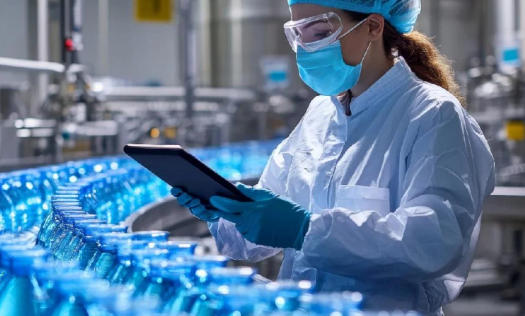
Understanding Pharmaceutical Water Treatment Equipment
Water used in the pharmaceutical industry must meet rigorous standards outlined by the World Health Organization (WHO), the United States Pharmacopeia (USP), and the European Pharmacopoeia (EP). Pharmaceutical water treatment equipment manufacturers design systems that ensure water purity levels suitable for diverse applications such as:
- Purified Water (PW) for non-parenteral drug manufacturing.
- Water for Injection (WFI) for injectable pharmaceuticals and sterile products.
- Pure steam generation for sterilization and cleaning processes.
Modern pharmaceutical facilities require fully automated, GMP-compliant water systems that can maintain water chemistry integrity and microbial stability throughout storage and distribution networks.
Importance of Water Treatment Systems in Pharmaceuticals
Water is not merely a raw material in drug production—it is an active component influencing the stability, efficacy, and safety of end products. Therefore, pharmaceutical water treatment equipment manufacturers are crucial in ensuring quality control.
Key Functions of Water Treatment in Pharmaceutical Processes
1. Removal of Contaminants: Systems eliminate inorganic salts, particulates, organics, and microorganisms.
2. Production of Sterile Water: For injectable or ophthalmic preparations.
3. Process Efficiency: Automated control and monitoring improve consistency.
4. Compliance: Meeting global standards such as GMP, FDA, and ISO.
Market Overview: Ecuador's Growing Pharmaceutical Sector
Ecuador's pharmaceutical market has experienced significant growth in recent years due to government healthcare investments, import substitution programs, and increased domestic manufacturing capacity. This expansion has created a parallel rise in demand for advanced pharmaceutical water treatment equipment manufacturers and suppliers.
Local pharmaceutical producers and multinational firms operating in Ecuador are focusing on sustainable, energy-efficient water purification systems to meet stricter quality and environmental regulations. Technologies such as reverse osmosis, EDI (electrodeionization), and multi-effect distillation have become standard in new facility designs.
Top Pharmaceutical Water Treatment Equipment Manufacturers and Suppliers in Ecuador
Below is a list of leading local and international companies actively supporting Ecuador's pharmaceutical manufacturing ecosystem.
1. Everheal (China)
Everheal is a globally recognized manufacturer specializing in integrated pharmaceutical equipment solutions. The company provides pure water generation systems, multi-effect distillation units, pure steam generators, and sterilization systems for clients worldwide.
Everheal's expertise lies in turnkey project support—from design and factory layout planning to installation and validation. Leveraging advanced filtration, reverse osmosis, and distillation technologies, Everheal ensures compliance with global pharmacopeia standards (USP, EP, JP).
Key strengths:
- Customizable pure water and WFI systems.
- Energy-efficient designs with low maintenance.
- Full GMP documentation and automated control systems.
- Global after-sales service network.
Everheal's collaborations with local distributors make it a reliable partner for pharmaceutical companies in Ecuador seeking high-performance water treatment solutions.
2. AquaTech Ecuador
Headquartered in Quito, AquaTech Ecuador focuses on industrial and pharmaceutical water purification systems. The company delivers reverse osmosis and EDI systems optimized for local market conditions, emphasizing sustainability and operational efficiency.
Their portfolio includes turnkey systems and maintenance services for pharmaceutical production, hospitals, and laboratory facilities.
3. BioPure Systems
BioPure Systems has established itself as one of Ecuador's top pharmaceutical water treatment equipment manufacturers and suppliers. The firm designs high-quality purified water and clean steam systems that comply with international GMP standards.
Their modular construction approach helps clients scale capacity easily as production demands grow.
4. DSQ Industries
DSQ Industries is a major engineering and manufacturing firm offering process equipment, including water treatment systems for pharmaceutical and biotech industries. Their focus rests on integration and validation, ensuring installations align with FDA and WHO recommendations.
5. PureFlow Latin America
PureFlow Latin America, operating across Ecuador, Colombia, and Peru, provides state-of-the-art reverse osmosis units, deionization systems, and distillation technologies. The company's customer base includes local drug formulators, biological product manufacturers, and vaccine plants.
Technology Landscape: Core Processes in Pharmaceutical Water Treatment
The best pharmaceutical water treatment equipment manufacturers and suppliers in Ecuador adopt advanced purification technologies to meet global standards. Below are key processes used.
Reverse Osmosis (RO)
A semi-permeable membrane removes ionic, organic, and microbial impurities. RO serves as the backbone of purified water generation systems in nearly every modern facility.
Electrodeionization (EDI)
Combining ion exchange and electrical current, EDI produces high-purity water continuously without chemical regeneration. It is increasingly preferred for sustainable operations.
Multi-Effect Distillation (MED)
Crucial for generating Water for Injection (WFI), MED systems ensure bacterial and endotoxin-free water. The technology is energy-efficient and widely integrated with pure steam generators.
Ultrafiltration (UF) and Microfiltration (MF)
These membrane-based technologies remove fine particulates and bacteria, acting as pretreatment stages in larger systems.
Ozone and UV Sterilization
Used for maintaining water quality during storage and distribution. These systems minimize microbiological contamination risk without chemical residues.
Regulatory Compliance and Validation Standards
Pharmaceutical production requires strict adherence to validation procedures for water systems. Thus, pharmaceutical water treatment equipment manufacturers must design systems capable of meeting global compliance benchmarks.
Key Regulatory Standards
- WHO GMP – Global guideline for production quality assurance.
- USP <1231> – Specifies water quality attributes for pharmaceutical use.
- EP Monograph 0169 – Defines requirements for purified and WFI water.
- FDA 21 CFR Part 210/211 – Regulates equipment cleanliness in drug manufacturing.
Validation Stages
1. Design Qualification (DQ).
2. Installation Qualification (IQ).
3. Operational Qualification (OQ).
4. Performance Qualification (PQ).
Systems from top manufacturers like Everheal are delivered with full validation documentation to simplify regulatory approval for clients.
Why Chinese Manufacturers Are Leading the Market
Chinese manufacturers have become dominant players in the global pharmaceutical equipment market due to their comprehensive understanding of GMP systems, cost-competitive advantages, and turnkey service models.
Everheal, for instance, offers process integration covering pure water generation, pure steam production, and filling/sterilization lines under one unified platform. The company's competitive pricing and rapid customization attract clients from emerging pharmaceutical markets, including Ecuador.
Other advantages include:
- Adaptation to international standards.
- Cloud-based quality management for real-time system monitoring.
- Strong engineering support and fast delivery timeframes.
Sustainability and Innovation Trends
Environmental sustainability is now central to pharmaceutical manufacturing. The next generation of pharmaceutical water treatment equipment manufacturers emphasizes:
- Energy-efficient distillation systems that reduce steam consumption.
- Recycling and recovery systems for rinse and reject water.
- Smart monitoring systems that optimize water usage and detect deviations.
- Modular designs that allow scalability with minimal carbon footprint.
Ecuador's green manufacturing push further incentivizes companies to adopt eco-friendly technologies, positioning partners like Everheal as leaders in advanced, sustainable production.
Choosing the Right Supplier in Ecuador
Selecting an appropriate manufacturer requires evaluating factors beyond price. Pharmaceutical companies should assess:
1. Compliance and Certification: GMP, ISO, FDA, and USP adherence.
2. Customization Capabilities: System configuration tailored to local conditions.
3. After-Sales Support: Availability of technical teams and spare parts locally.
4. Lifecycle Cost Efficiency: Comparing energy, maintenance, and operating costs.
5. Project Expertise: Proven record in integration with filling, sterilization, and distribution systems.
Everheal provides end-to-end consultation, ensuring clients receive optimized layouts and reduced validation times, making it a preferred choice among Ecuadorian firms upgrading facilities.
The Future of Water Systems in Ecuador's Pharmaceutical Industry
The growth of Ecuador's pharmaceutical export potential will drive further investments in high-precision and validated water systems. As biologics, vaccines, and advanced therapeutics expand, so too will the need for pharmaceutical water treatment equipment manufacturers offering integrated, validated, and energy-efficient solutions.
International collaboration between local processors and global leaders like Everheal will shape a more resilient and sustainable biomanufacturing future for Ecuador.
Conclusion
Ecuador's pharmaceutical landscape is rapidly modernizing, with clean water systems forming the backbone of a compliant and safe production environment. Partnering with experienced pharmaceutical water treatment equipment manufacturers and suppliers ensures water purity, process reliability, and global compliance.
Everheal, with its extensive portfolio—from pure water systems to sterilization lines—represents a top choice for companies seeking proven quality, advanced technology, and international support. As Ecuador's industry aligns with GMP and environmental standards, the collaboration with innovators like Everheal will set the tone for long-term pharmaceutical manufacturing success.
FAQs
1. What are the key components of a pharmaceutical water treatment system?
A typical system includes pre-filtration, reverse osmosis, deionization (EDI), distillation (for WFI), storage tanks, and distribution loops equipped with monitoring and sanitization units.
2. Why is water quality critical in pharmaceutical production?
Impure water can contaminate drugs, affect formulation stability, and compromise patient safety. Hence, pharmaceutical-grade water must meet strict purity criteria.
3. How does Everheal assist Ecuadorian manufacturers?
Everheal provides complete factory layout planning, equipment customization, system installation, and international GMP documentation to support local production efficiency.
4. What standards govern pharmaceutical water systems?
Systems must comply with WHO GMP, USP <1231>, EP 0169, and FDA 21 CFR standards to ensure purity and process reliability.
5. How can pharmaceutical companies reduce water system costs?
By using energy-efficient components, recycling recovery systems, and partnering with reliable manufacturers offering long-term technical support.


